We’re all invested
RABBI BEN KRAMER
Later this month, we will observe a very important day on the Jewish calendar: Shabbat Shekalim. On that Shabbat, we read the passage from the Torah that describes the obligation of each Israelite to give a half-shekel to provide for the maintenance of the Mishkan-the portable sanctuary that the Israelites built in the wilderness.
The reason that the half-shekel was obligatory pertains to the way the Mishkan was built. It was constructed entirely with materials contributed voluntarily. This voluntary giving was intended to provide the Israelites with the opportunity to demonstrate their support for building the Mishkan.
The Torah tells us that they took full advantage of this opportunity and gave so much that Moshe actually had to tell them to stop. This is a testament not only to the desire of the Israelites to build the Mishkan, but also to their tremendous generosity, a characteristic that continues to define the Jewish people to this day.
Yet, there is, as we all know, an inherent inequality in voluntary giving. Some simply have the means to give more than others. So even though all of the Israelites desired to build the Mishkan, they were not all able to demonstrate that desire to the same extent. When it came to giving the materials to build the Mishkan, some were able to contribute more than others, and those who did were seen-not only by themselves, but by others-as being more invested in the Mishkan, not only materially, but spiritually too.
But this is not what God wanted. God wanted people to give voluntarily, but also wanted everyone to be-and to feel-equally invested. That desire led to the subsequent obligation for everyone to give a half-shekel annually to provide for the maintenance of the Mishkan. The small half-shekel contribution allowed for every Israelite, even the poorest, to give and to feel equally invested. It also drove home the point that the community is not complete without the full participation of every Jew.
We recall this annual obligation on Shabbat Shekalim, always observed around the first of Adar, this year falling on Feb. 26. We observe the special Shabbat then because, in the days of the Beit HaMikdash (the Holy Temple, the first of Adar was when an announcement would go out reminding the people to give their half-shekel, which was due one month later, on the first of Nissan.
Interestingly, the reason that the announcement was made a whole month before the half-shekel was due was not because people needed that much notice, but because it was deemed important to make the announcement before Purim. This is because on Purim, we recall how Haman gave ten thousand shekalim to King Achashverosh to encourage him to decree the destruction of the Jewish people.
What does this have to do with making the announcement about the half-shekel before Purim? According to the Talmud, before we recall how Haman sought to destroy the Jewish people by giving shekalim to the king, we must seek to preserve the Jewish people by recalling our obligation to give shekalim to the King!
But how exactly does recalling this obligation preserve the Jewish people? Well, remember that the reason for giving the half-shekel was so that all of the people could be and feel equally invested. This is precisely what is necessary to preserve the Jewish people- for all of us to be, and to feel, equally invested in Judaism and in Jewish life.
Tellingly, Haman describes the Jewish people as being “separated and divided.” This is the reason that he almost succeeded in destroying us. What we learn is that to preserve the Jewish people, we must be unified and united. That can only come from all of us being equally invested in Judaism and in Jewish life.
So, this Shabbat Shekalim, as we recall our obligation to give a half-shekel, let us strive to build a community where all of us are equally invested, and where Judaism and Jewish life can truly thrive.
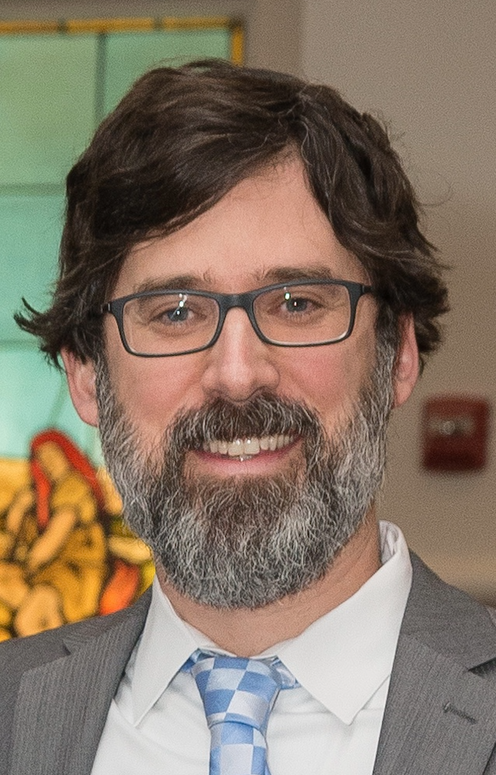
Rabbi Ben Kramer is the rabbi of Moriah Congregation in Deerfield.
In this issue
-
An ‘awesome’ new fellowship for teens
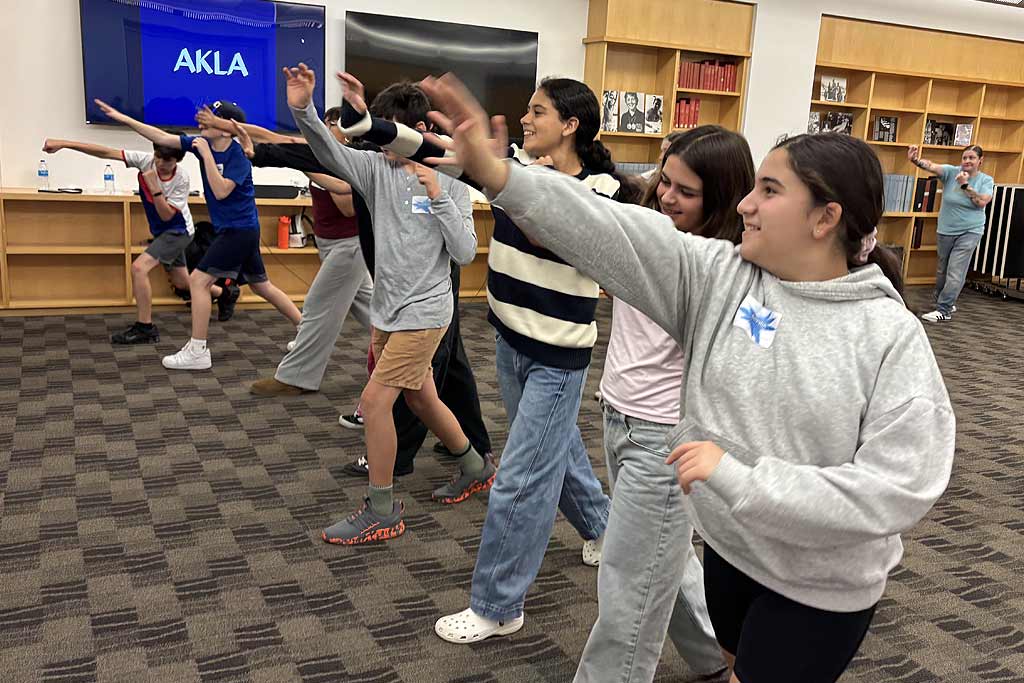
AKLA Chicago will be a free, five-week experiential experience for ages 12–14
Read more -
-