What to do with Grandma’s china
Jessica Litman
When my grandmother passed away, our entire family sorted through her things. Certain items were special to certain family members. I wanted her tray that held her lipsticks. My mother wanted a decorative flower made of silver. My brother requested her menorahs.
But then there were other items that were held onto by family because “that’s what you do.” You save the “special” items like china and crystal. And it gets passed down from generation to generation. Like a trophy.
But that china and crystal just sit in a box or take up space in your buffet. They’re never actually used.
I see this all too frequently when family members feel obligated to hold onto pieces of china, crystal, and Judaica that have been in their family for decades. Even with all the importance placed upon them, though, those items never see the light of day. Instead, they end up becoming clutter that their new owners cannot get rid of.
But what if we were able to part with things that we didn’t love? What if those “special” items were shared with people who would actually use them? And what if we could present the memories those items hold in a different way?
Not every item is worth saving. But there are items we can showcase and enjoy every day or on special occasions.
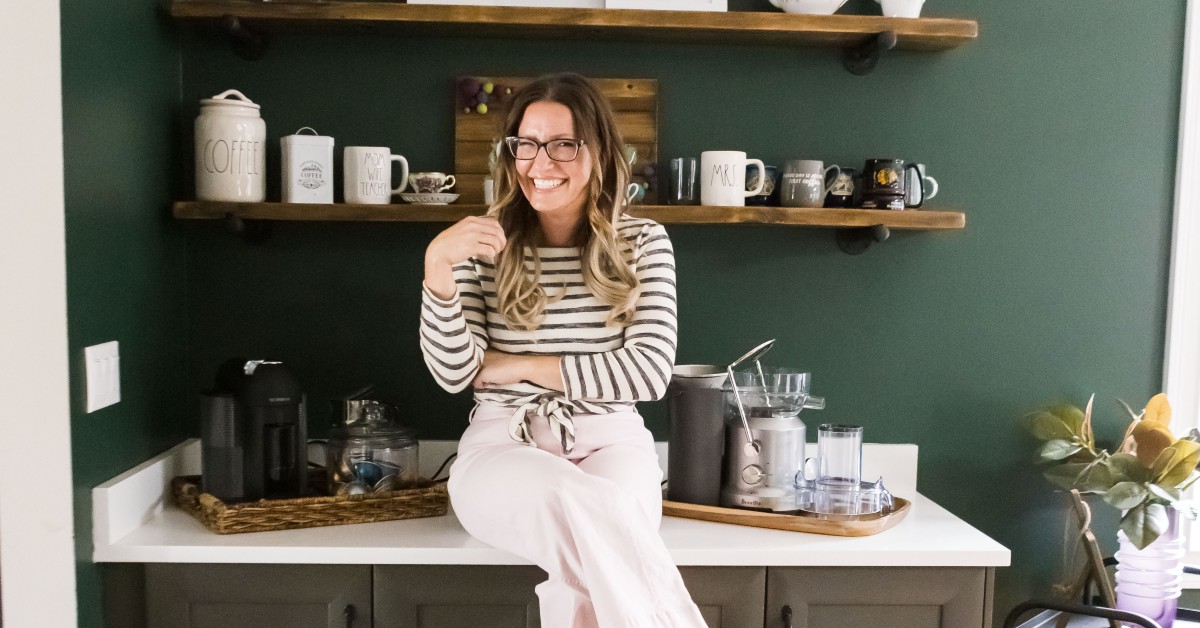
First, find the special items from the collection of china. For me, I have teacups and teapots from my grandmother. Those items are on display in our kitchen. I can see them every morning when I make my coffee. It is a little reminder that my grandmother, and great-grandmother, are always with me.
Serving trays that hold significance can be kept and used on special occasions. Displaying china on the wall can be both decorative and special.
Creating a scrapbook can be another way to remember family while keeping unwanted items to a minimum. Take a picture of the collection, like a table setting with all the china in play. Then build a story within the scrapbook by adding photos of family around the table using that china. Include memories from family members of both the items and the person they’re attached to. Those memories are now preserved in a book that can be displayed, instead of hiding away the physical china that your children will never use.
How can you decide what is worth saving and what can be donated?
There is one question that I always ask myself and tell my online community when parting with sentimental items. And grandmother’s china is a sentimental item.
And that question is: “Do I need to physically hold this item in order to appreciate and remember my ancestors?”
Do you need to physically hold a china place setting to remember your grandmother? Do you need to physically hold a crystal vase to remember your great-grandmother? Do you need to physically hold a Kiddush cup to remember your grandfather?
These are questions only you can answer. There is no right or wrong answer.
But there is something that comes with asking these questions. And that is if you answer “no,” for you or your next of kin, it may be time to say goodbye to the item and find a new way to preserve the memories it holds. After all, you cannot simply unload those items to your children. You have to be respectful of their answers as well.
Taking into account other family members’ feelings about items will empower your family to part with items that are no longer sentimental.
Because sentimental items are in the eye of the beholder. Not in the idea someone has imposed on that item.
So what can I do with the items that no one in my family wants anymore?
Most of these items are not going to sell, since most people have similar items that they are trying to also part with.
Instead, you can donate these items to local organizations. By donating them, you are able to provide someone else with resources to build a home with incredible memories.
The Torah teaches us that your physical possessions that take space in your home need to nourish you and your environment. So, respect those in your family as they want their environment to be nourished with their memories.
Jessica Litman is the founder of The Organized Mama, a Chicago-based organizing and media company.
In this issue
-
An ‘awesome’ new fellowship for teens
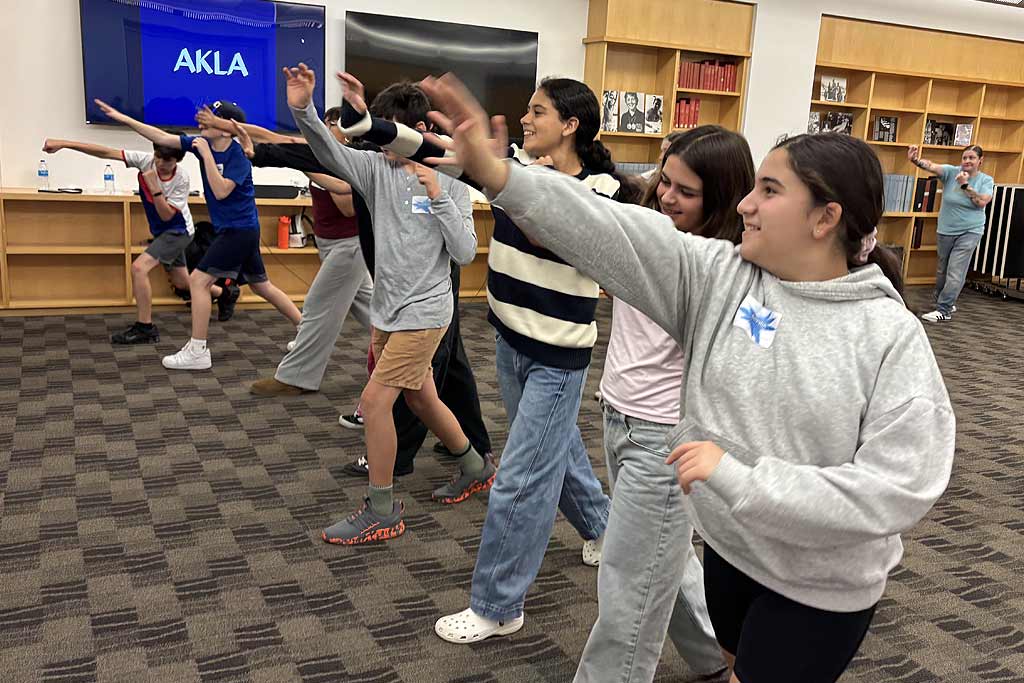
AKLA Chicago will be a free, five-week experiential experience for ages 12–14
Read more -
-