When too much news is bad news
ELYSSA KAUFMAN
As a journalist, how do I maintain a positive outlook while reporting on the daily news? A close friend asked me this as she reflected on her own struggle with reading traumatic news. I was asked this same question by a student during a recent panel discussion. We are all wondering how to keep up with the world around us, while remaining optimistic. To find answers, I did what I do best as a journalist-find experts and ask more questions.
I interviewed: Orli Firestein, Licensed Clinical Social Worker (LCSW), Ila Rothschild, Healthcare Attorney and Social Worker; and Skylar Wittenberg, Licensed Professional Counselor (LPC).
What are strategies for processing distressing events in news coverage?
Orli: Reach out to your supports- friends, therapists, family, your synagogue- especially those who share similar values, to get the comfort and processing space that you need. Communicate that you are uncomfortable discussing a certain current event, if it is too upsetting for you.
Ila: After reading or watching emotional content, we have to find our zone. We have to find the individuals and communities that help us. That may mean talking to our friends, going to a Shabbat service, or considering therapy.
Skylar: Talk to someone. Whether it’s a therapist or people you feel close to, it can help. This can be really isolating, so talking to someone helps you know you are not alone.
What is the benefit of reading/watching news coverage?
Orli: Staying informed about current events allows you to remain in touch with humanitarian struggles and progress, both locally and globally.
Ila: It’s important to stay informed about the news because we learn how to stay safe and how to make better decisions.
Skylar: I think it’s important to stay informed about what’s happening, whether it’s your direct community or the world. You want to be up to date on new information.
How can you limit your news consumption while still staying informed?
Orli: Be intentional around social media consumption, since a lot of times unexpected news exposure sneaks up on these platforms.
Ila: There comes a time when we have to take our own “emotional temperature.” This means understanding how much information we can consume, and when it gets to the point where it’s having an emotional impact on us. If you reach a point where you are overwhelmed, and unable to go to work or complete your daily activities, it’s time for a break.
Skylar: You can set a timer on your phone or in apps. Set restraints on yourself when you notice your news consumption is affecting your mental health. You want to be knowledgeable, without the information running your day.
How can you create balance as a news consumer?
Orli: Set time limits and monitor the frequency of your news consumption. Make adjustments as needed, if you notice a decline in your mental health in connection with the news. Prioritize setting aside news-free time dedicated to things that bring you joy and/or make you feel connected to a greater cause.
Ila: The balance is knowing when you are getting the right amount of information. If the coverage starts to get repetitive, what is that doing to you? It’s just winding you up and it’s not adding any information. Take in the news coverage to stay informed, and then know when it’s time to calm down and take a break.
Skylar: I recommend setting a schedule for yourself. You can pick days when you read the news and days when you take a break.
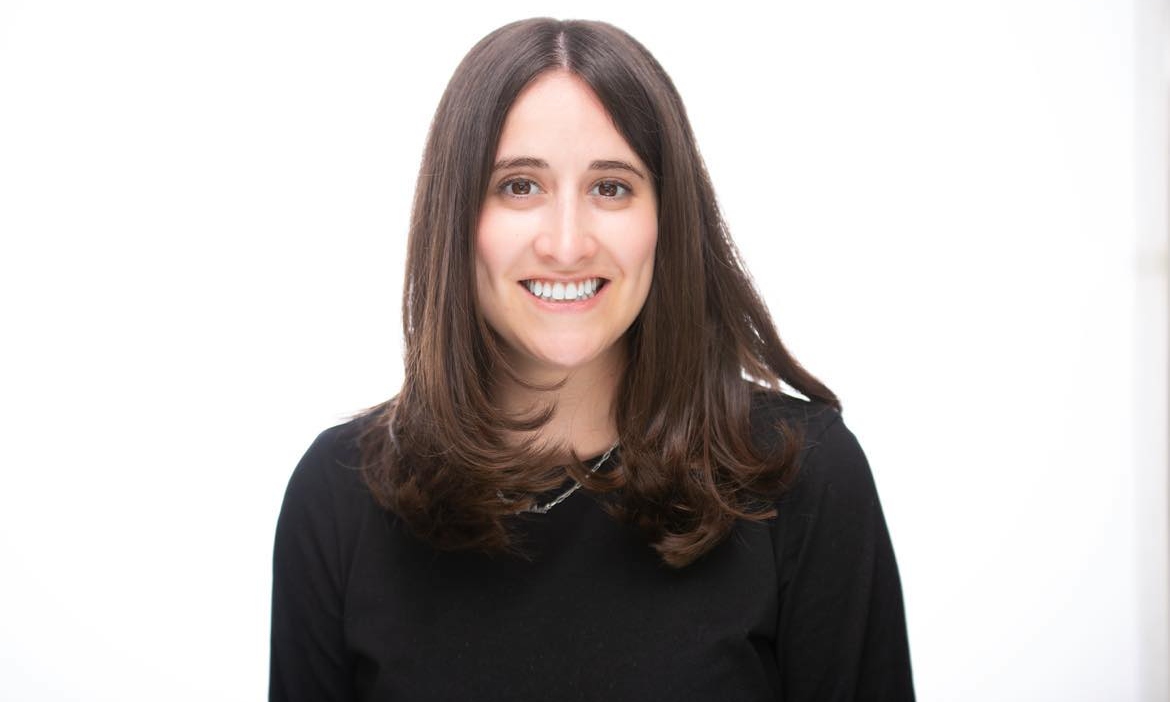
Elyssa Kaufman is a Digital News Producer at CBS Chicago. She graduated from the University of Illinois with a bachelor’s degree in Journalism and a minor in Urban Planning.