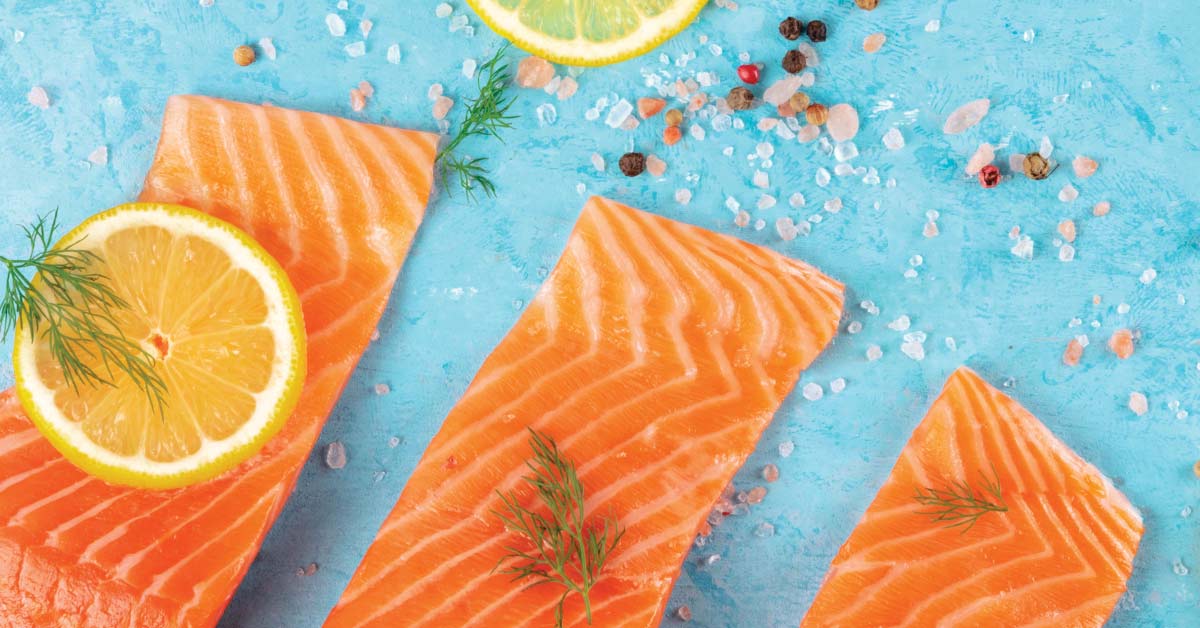
Why this salmon is ‘King’
LAURA FRANKEL
Biologists divide salmon broadly into Atlantic salmon and Pacific salmon. One of the most popular Pacific salmon varieties is King salmon, whose high protein and vitamin D content make them ideal for making filling weeknight meals.
We are, right now, in King Salmon season, and it is the time of year I hunger for. I love this salmon so much that I am unwilling to put up with anything less wonderful and will go without it for months waiting for the real thing.
It is called “King” Salmon for many reasons; for one, they are the largest salmon species, weighing up to 50 pounds. They have been celebrated for their abundance and importance as a food source, particularly among Indigenous communities of the Pacific Northwest. Alaskans call the variety “Chinook,” meaning “strong fighter.”
King salmon are best for grilling, roasting, or broiling. Prized for their rich and buttery flesh, these salmon are the most highly sought after, both commercially and by home cooks.
King salmon also reigns supreme for its higher natural content. It has the highest omega-3 levels of all Pacific salmon species because they favor deeper, colder waters during the ocean phase of their lives. Farmed salmon has a higher Omega-6 acid content, associated with inflammation. But wild-caught salmon always has a higher omega-3 acid content due to eating a natural diet.
For all these reasons, I wait for months for the Alaskan King Salmon season. I mark it on my calendar and celebrate the day the rivers open.
You can eat salmon poached or cured for gravlax for breakfast, delicately flaked and turned into salmon salad for lunch, and then grilled, lacquered with soy, or loaded with fresh herbs and drizzled with extra virgin olive oil for dinner.
Cold Poached Salmon
Poaching shows off the best that salmon has to offer. Tender, flavorful, rich… and with versatile flavor that can be styled in hundreds of ways with sauces, garnishes, and sides. The poaching herbs can be customized with spices, herbs, and chiles.
Poached salmon is the easiest hand-off cooking method, allows you to enjoy the fish hot, room temperature, and cold. It can be served whole as a filet, flaked into a salad, served with salsa, or rolled into a tortilla for amazing tacos.
One simple and easy preparation yields almost endless possibilities. The recipe I wrote for poaching starts with cold water, wine, herbs, and lemon juice. Starting the poaching process in cold water ensures even and gentle cooking. The result is evenly cooked, moist, and tender salmon.
I find that starting with hot liquid causes a crust on the outside of the salmon while the inside must cook longer to catch up.
Poached salmon is deceptively fancy. Perfect for a date night, dinner with friends, Mother’s Day brunch, lunch, or dinner. Try poaching Wild King Salmon and see if you don’t fall in love with this king of fishes.
2 cups of water or more to cover the fish
½ cup of white wine
Thick strips of zest and juice of 1 lemon
Several sprigs of fresh dill
Several parsley stems
½ teaspoon whole black peppercorns
1 leek, cut in half
1 fennel bulb, sliced
4 8-ounce center cut boneless, skinless salmon filets
Possible add-ons: star anise, jalapeno chiles, basil, cilantro, orange or lime zest and juice, shallots, garlic, ginger, bay leaves, or swap wine for sake, horseradish, and more.
1. Place water, wine, zest and juice, dill, parsley, peppercorns, leek, and fennel in a medium saucepan. Add salmon. If the water does not cover, add a bit more.
2. Bring to a simmer and gently cook until salmon registers 115°F (about 15-20 minutes).
3. Carefully transfer salmon to individual plates or a platter. Serve hot, cold, or room temperature.
Salsa Verde
This Italian sauce is flavorful, deliciously rich, with olive oil, herbs, garlic and the surprise ingredient of a hard-boiled egg. The egg acts as an emulsifier, holding the ingredients together, instead of using a starch like breadcrumbs or a roux.
1 bunch parsley, stems cut off and saved for making stock.
4-oil packed anchovy filets
2 garlic cloves
1 hard-boiled egg
2 tablespoons fresh lemon juice
2 tablespoons drained and rinse capers or green olives
¼ cup extra virgin olive oil
1. Pulse parsley, anchovy, egg, lemon juice, capers, EVOO in a food processor until emulsified and bright green.
2. Serve at room temperature with poached salmon.
Tzatziki
There is a “hero” ingredient hiding in the dairy aisle! Tzatziki is a creamy, tangy, and all-purpose sauce. Made from Greek yogurt and stirred together with a few simple ingredients you have a robustly flavored dip, sauce, garnish, salad condiment and more.
What can you use tzatziki on? Sub homemade tzatziki for mayonnaise in egg, tuna, and chicken salad. Top poached salmon as a garnish. Use as a dip for crudites, pita, matzah, or breadsticks. Drizzle over greens as a salad dressing. Dollop on your favorite summer gazpacho or homegrown tomatoes. This simple 10-minute sauce is versatile, delicious, and healthy.
1 English cucumber (less watery than a regular cuke), grated or processed in a food processor and set over a strainer for 10 minutes to drain water out
2-3 cloves garlic, grated or finely minced
Lemon zest and 1 tablespoon fresh lemon juice
2 teaspoons red wine vinegar
1 tablespoon good quality EVOO
2 cups Greek yogurt (full-fat works best)
2 tablespoons chopped fresh mint, dill, parsley, or combination
Pinch of sea salt
1. Stir together grated cucumber, garlic, lemon zest and juice, vinegar, extra virgin olive oil, yogurt, mint, and salt.
2. Store covered, in refrigerator, for up to 5 days.
Hollandaise
Once a year, I go off the olive oil cooking wagon and reach for butter. Hollandaise is luxury in every bite. Adding hollandaise to a luscious piece of King Salmon is like velvety-heavenly, buttery creaminess atop sumptuous fish. It is so darn good! Hollandaise is buttery and tangy yet remains light and not overly rich.
It is also easy to make. I serve Hollandaise on salmon with fresh asparagus for a lovely spring treat. Perfect for Mother’s Day, Shavuot, date night, brunch, lunch or anytime.
3 egg yolks
10 tablespoons unsalted butter, cut into 1 tablespoon pieces
2 teaspoons fresh lemon juice
½ teaspoon sea salt
1/8 (make the fraction look like this: ½) teaspoon cayenne
1. Whisk egg yolks in a study bowl, over simmering water, making sure the bowl is not touching the water, until they lighten in color, about 1 minute.
2. Continue whisking constantly for another 3-5 minutes until yolks have doubled in volume.
3. Remove the bowl from heat and whisk in butter, one tablespoon at a time. Add lemon juice, salt and cayenne. The sauce should be thick and creamy.
4. Serve immediately or cover and keep warm.
Laura Frankel-a noted kosher chef, and cookbook author-serves as director of culinary operations at CJE SeniorLife-Tamarisk NorthShore. She is also a product development specialist and has worked as culinary director for a media company.
In this issue
-

An ‘awesome’ new fellowship for teens
AKLA Chicago will be a free, five-week experiential experience for ages 12–14
Read more -

-