Words of pain from voices of resilience
Ofer Bavly
Every Israeli hostage returning from captivity in Gaza behaves in a different and individual way. Some prefer to stay at home for weeks, or even months, with their family; they refuse to speak publicly or share details of their ordeal, and remain out of the limelight. Despite our understandable and natural curiosity and interest in their experience, we respect their need for time and privacy.
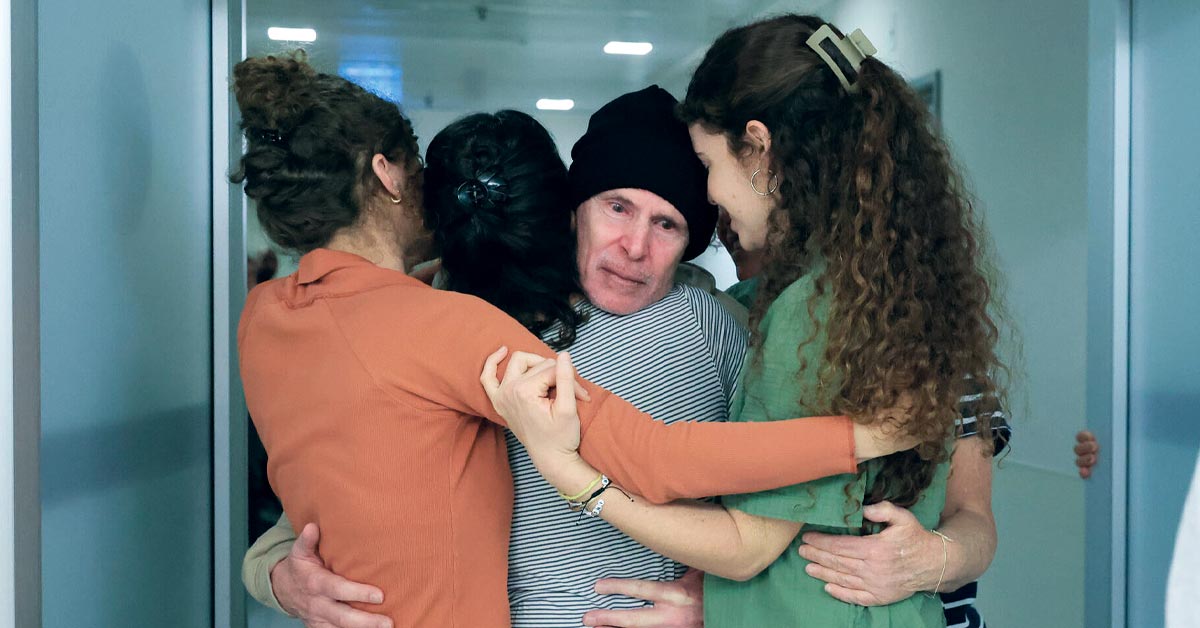
Others prefer to speak out as soon as they can, to tell of their captivity to inform, but also to help call for the release of those hostages still in Gaza. They travel to the U.S. and to Europe, to convince leaders and governments to intervene on behalf of their captive friends left behind. Some hostages who have returned have shared their experiences in lengthy interviews on Israeli television. They have given us a small glimpse into the horrible ordeal they have gone through. This glimpse offers us a view of human evil at its lowest, but also human courage and resilience at its peak.
The hostages that have returned home so far were part of two exchange deals, in November 2023 and in early 2025. Some of those who returned in the first deal- mostly women, children, and the elderly- shared details of their two months in Gaza. Their treatment was harsh but at least shorter than for the rest. One such hostage, Amit Soussana, was brave enough to recount details of the sexual assault she had suffered at the hands of her Hamas captors, traveling to the United Nations to give her testimony on the world stage. Others told of psychological cruelty and mind games, of staying in total darkness for weeks and of isolation.
Hostages who returned in the second deal, after more than 15 months in captivity, were visibly tortured, suffering beatings as well as intentional starvation and sexual abuse. Some of them had been in complete isolation for their entire captivity.
If at first there were few hostages sharing their experience publicly, the second wave of hostage release seems to have brought more who are willing to talk openly about their ordeal. In lengthy interviews on camera, they share horror stories of a nature we had previously heard only from Holocaust survivors.
Most Israelis have watched those interviews. After all, the names and faces of our hostages have become such common household names that we feel as though they are part of our collective family. Their loved ones have talked about them so much over the past 16 months that we missed them, even though most of us had never met them. When we watch them detail what they have been through, we are shocked and traumatized by the sheer evil they recount.
And yet, when we watch those interviews and hear the horrific tales of captivity, there is another sentiment we all share. We are in awe at the strength of character and the resilience of the hostages. They tell of how they shared a daily ration of a single pita bread among four people. Even while feeling the most extreme hunger, never fighting amongst themselves, always sticking together. We hear how hostages helped dress each other’s wounds, and how they secretly prayed. We hear how they stood up for each other in facing their captors, and how they survived by sheer strength of character and the belief that they would go home.
We hear the hostages talk of the worst and most monstruous behavior by Hamas and by “regular” Gazans. Then, after we feel shock, we feel immense pride in the courage of those survivors who never lost hope. In the face of utter inhumanity, they never lost their own humanity. They never abandoned their belief in themselves and in their ability to survive the worst. They inspire, they give us hope, and they make us proud as a nation. And, as a nation, we must now do all we can to help them get back on their feet. As family does.
To watch an interview with Eli Sharabi, who was released after 491 days in Hamas captivity, visit tinyurl.com/EliSharabiWords .
Ofer Bavly is a JUF Vice President and the Director General of the JUF Israel Office.