‘Wrong Kind of Jew,’ right kind of book
AARON B. COHEN
Many who oppose Jewish self-determination distort and seek to delegitimize Jewish memory, history, and identity by calling Israel a white, European, colonial, settler state. The assertion is antisemitic, given the millennia-long Jewish history of persecution and “othering” in Europe, which culminated in racist genocide.
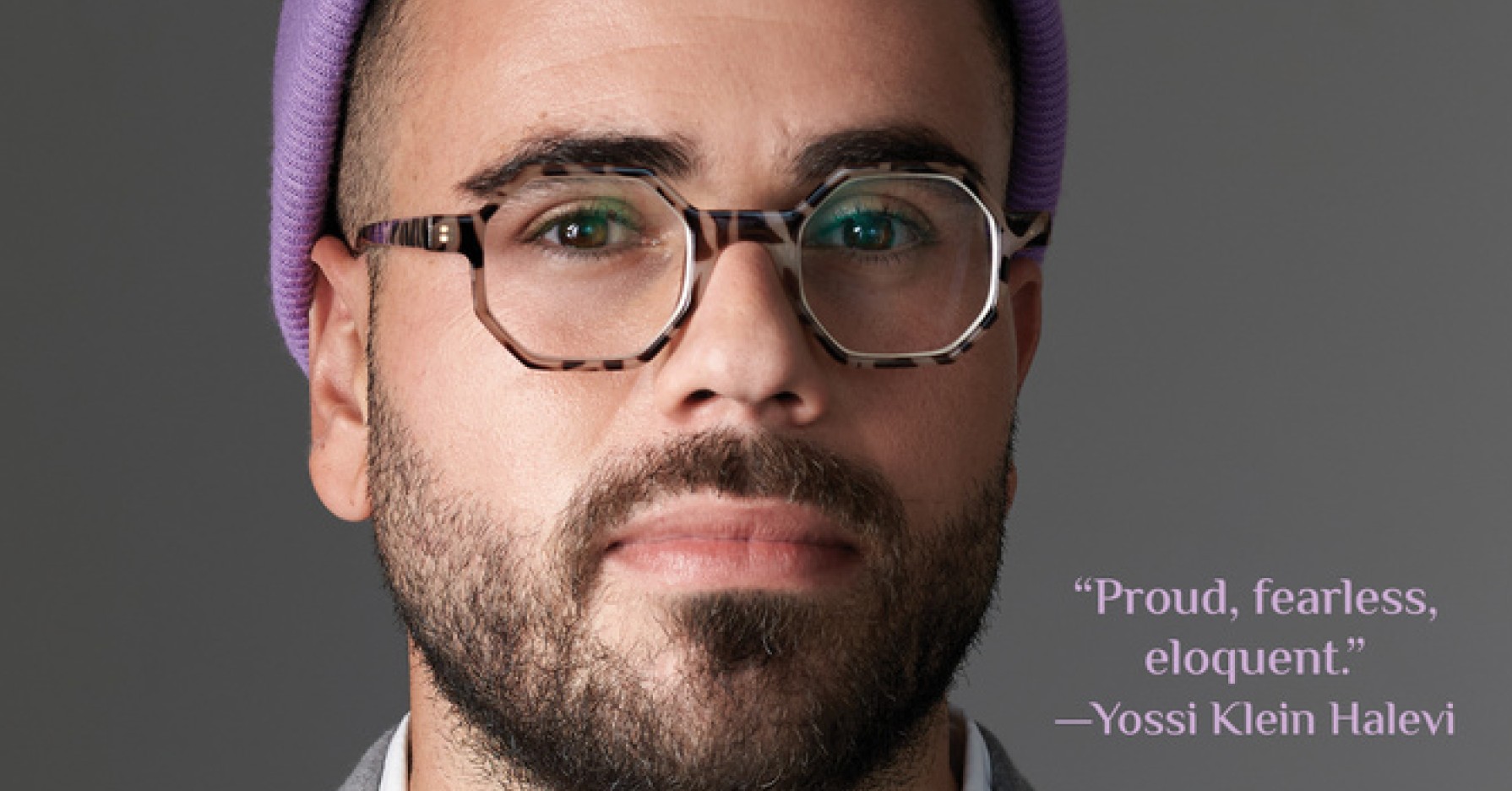
Hen Mazzig, a young Israel activist, gives the lie to this pernicious misrepresenting of Jews as white Europeans. He is Mizrahi (Eastern in Hebrew), whose parents were persecuted and expelled from Tunisia and Iraq.
In his new book The Wrong Kind of Jew: A Mizrahi Manifesto (Post Hill Press), Mazzig writes personally and passionately about Mizrahi identity. His book is a cri de coeur, a call to acknowledge the collective experience and social position of half of Israel’s population: first- and second-generation Israeli Jews from North Africa; Arabia; the Middle East; and Western, Central, and South Asia.
Mizrahim, as visitors to Israel know, are non-white and non-European. They still face disadvantage and prejudice from Ashkenazi elites but set the beat for Israeli culture.
“It makes sense why our detractors pump out such an absurd telling of our history, for it supports the central narratives of their political agenda: that Israel, the ultimate villain, founded as a white supremacist country to oppress indigenous Arabs of color, who are the ultimate victim,” Mazzig writes. “There is nothing more inconvenient to the political mobilization against Israel than the discovery that the Jewish state actually is made up of a majority of Jews of color who were refugees from murderous Arab regimes.”
Mazzig also is gay. He calls “antisemitic progressivism” a “nightmare” and “catastrophic” for Jews of color and gay Jews. He says he needs the advocacy of progressive movements “to upend the forms of prejudice I experience.”
“We desperately need partners in bringing down the far-right antisemites who shoot up our synagogues and steal our lives,” he said. “If the activists who call out white supremacists for threatening our freedoms have their own implicit biases against Jews, or even a blind spot to the antisemitism in their midst, we lose a great deal of our inherent collective power.”
And so, he asks Mizrahim to identify as people of color within the broader movement for racial equality. “As the largest population of Jews of color, we are in a unique position to combat misconceptions about Jews and Israel,” he says.
While advocating for Mizrahi identity externally, Mazzig also seeks to educate Jews about what he calls “Ashkenormality,” or Ashkenazi dominance–the longstanding Ashkenazi dismissal and disdain in Israel and the Diaspora of the unique struggles, traditions, and pride of Jews who culturally prospered while living among Muslims for centuries.
“Empowering the voices of Mizrahi Jews will empower the entire Jewish people,” Mazzig asserted.
At heart, Mazzig wants humane solutions to human problems–between Ashkenazim and Mizrahim, and between Israelis and Palestinians. His philosophy is that you can’t heal a broken relationship between two parties by recognizing one and negating the other.
“You cannot claim to care about injustices against Middle Easterners but then ignore the ethnic cleansing of nearly one million Mizrahi Jews. You cannot be outraged with the current policies of Israel or call us a ‘colonialist apartheid state that engages in ethnic cleansing’ without being furious about Jews in the Middle East who have been treated as second-class citizens for centuries, enduring regular mass killings and institutionalized discrimination at the hands of an expansionist Arab empire. You cannot be a defender of refugees while ignoring the fact that Israel has been a safe haven for countless innocent refugees who have fled annihilation,” Mazzig writes.
For readers who are ignorant of the Mizrahi experience, Mazzig’s book is an eye-opener. For those outraged by popular distortions of Israel and Jewish history, the book is a timely tool in the struggle to bring Israel’s truth to light.
Aaron B. Cohen is a writer based in Evanston.