The word “chaplain” evokes spiritual leaders working in armies, hospitals, and prisons. And, through its Chicago Board of Rabbis, the Jewish United Fund of Metropolitan Chicago does support a chaplaincy program that helps many in such institutions.
But JUF’s Jewish Child & Family Services (JCFS) views chaplains as an opportunity reach out beyond the structures of these facilities. Through Tikvah: Jewish Chaplaincy Community Initiative, rabbis and cantors professionally trained in chaplaincy offer comfort to Chicago Jewish community members who need support in times of grief, stress, and challenge.
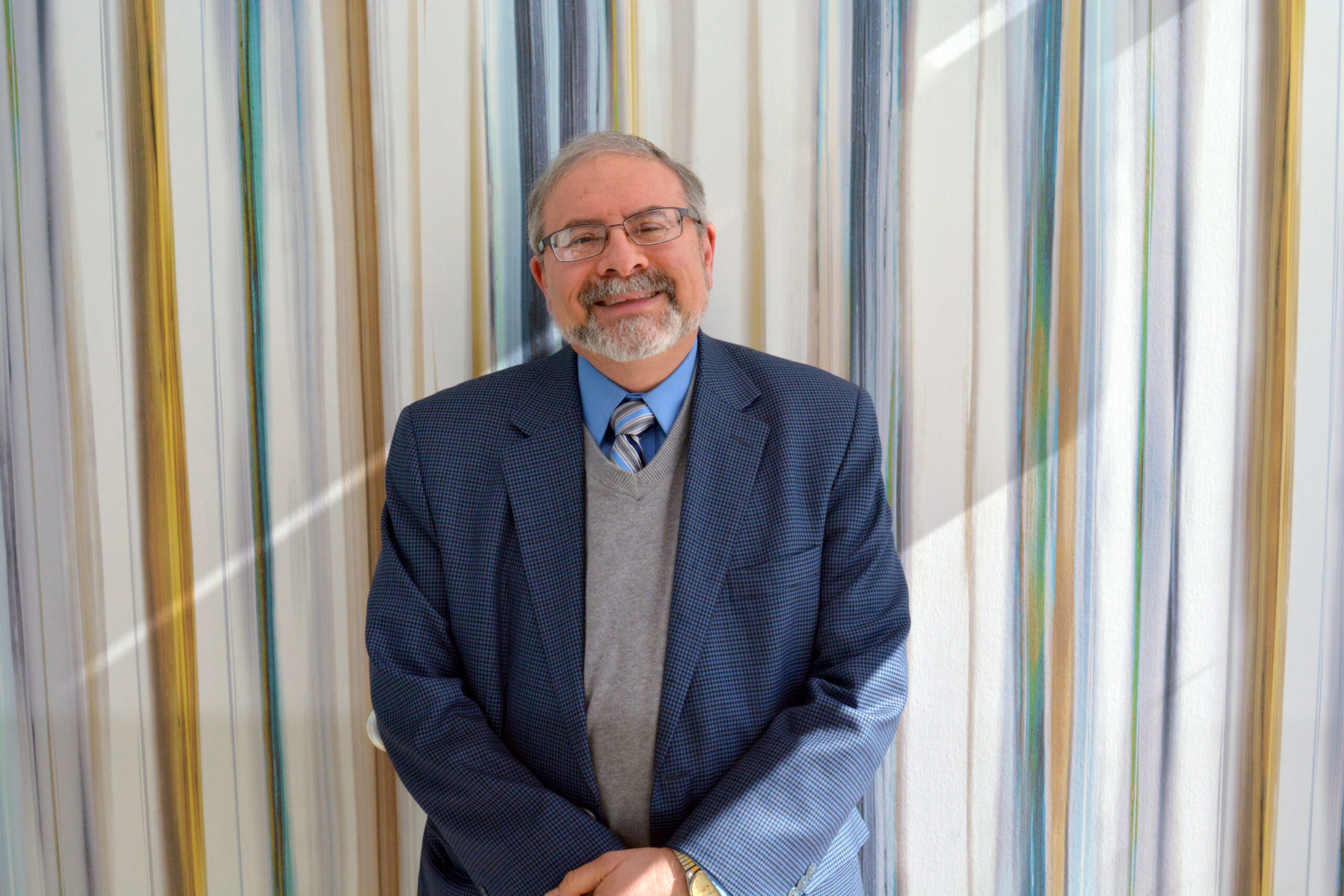
While they do visit medical facilities, the flexibility of Tikvah’s structure allows their chaplain “to go wherever you are, wherever the need is,” said Tikvah rabbinical counselor and chaplain Rabbi Joseph Ozarowski.
“Chaplains are spiritual care specialists,” he continued. “Using the tools of Jewish tradition, Jewish chaplaincy offers emotional support within a spiritual framework. We work with people who suffer, or who have questions-‘Why me? What is the purpose in my life?'”
Ozarowski has served as a pulpit rabbi, educator, and chaplain for more than 40 years; he also serves as a national officer of Neshama: The Association of Jewish Chaplains. The immediate past president of the Chicago Board of Rabbis, he has worked at JCFS since 2005. His first book, To Walk in God’s Ways: Jewish Pastoral Perspectives on Illness and Bereavement , is required reading in the field.
Becoming a chaplain requires a rigorous training program, Ozarowski said, that includes 1,600 hours in a healthcare facility. “We hone our skills of listening and empathy,” he explained. “We learn how to work with multidisciplinary teams in a healthcare setting.”
Ozarowski is eager to dispel myths about the concept of chaplaincy: “While many chaplains are Christian, Jewish chaplaincy is rooted in Jewish texts, faith and observance, culture, and community.”
Another myth is that chaplains are deployed primarily for those nearing the end of their lives. “Everyone will experience illness, grief, and sadness in their lives,” noted Elana Boiskin, Tikvah’s coordinator. Its chaplains have helped those with chronic illness, addiction, and family issues. Visiting with a chaplain “is appropriate for all stages of life, not just end-of-life,” she said.
Tikvah spiritual-care specialists can visit clients in a private home, hospital, senior home, skilled nursing facility, or other residences, both in Jewish and non-Jewish facilities. Tikvah also helps caregivers and other care professionals, who carry a heavy burden in their roles. In addition, the Jewish Healing Network-which runs Tikvah and is a collaboration between JCFS, CJE SeniorLife, the Chicago Board of Rabbis, and JUF-also trains lay people through their synagogues in bikur cholim, the mitzvah of visiting the ill and injured.
“Judaism affirms that God is with each of us in everyday life, especially in sickness and in sorrow,” Ozarowski said. “But both clergy and loved ones can, in their ways, help those in need of spiritual guidance.”
Cantors, not only rabbis, serve as chaplains; indeed, music often reaches people with memory loss in a way spoken words cannot. Ozarowski recalled a visit to a woman suffering from dementia. The client “perked up and sang along to ‘ Hatikva ,’ ‘ Ein Keiloheinu’- and ‘ Take Me Out to the Ballgame ,'” he said.
Tikvah has four chaplains-Ozarowski; Rabbi Paul Saiger, former executive director of The Hillels of Illinois; Cantor Fortunée Belilos; and Rabbi Eliezer Dimarsky, one of the first Russian-speaking Jewish chaplains, recently brought on to Tikvah to reach the large Russian-speaking Jewish community in Chicago.
While holidays can be a time of sadness for some, who long for those no longer there, holidays can also spark a note of hope. At a visit to a distraught Holocaust survivor over Thanksgiving weekend, a chaplain asked the survivor what he was thankful for. “My family and my life,” he responded. “I never knew if I would even have either one when I was in the camps. I am just grateful to be alive in this country.”
Ozarowski believes that community is also a source of spirituality, and the community is here for those who need it through Tikvah,” he said. “When the need is there, we offer the ability to be a friend to you.”
Tikvah is supported by the JUF Breakthrough Fund, the JF/JUF Fund for Innovation in Health (funded by The Michael Reese Health Trust), and The Albert and Lucille Delighter and Marcella Winston Foundation, a supporting foundation of the Jewish Federation of Metropolitan Chicago.For more information about Tikvah, contact (847) 745-5405, [email protected], or visit jcfs.org.JCFS is a partner with JUF in serving our community.
Other stories
-
Two local teens win national recognition
Recipients of the annual Diller Teen Tikkun Olam Awards
Read more -

Celebrating six young award winners cultivating the community
Introducing young adult award winners
Read more -