
Author Talya Jankovits. (Photo credit: Leah G Photography)
Etty Bloom, the eponymous protagonist of The Very Unremarkable Life of Mrs. Etty Bloom, was born in three different cities: Los Angeles, Chicago, and New York.
First, she was born in Los Angeles, because that is where she appeared “fully formed” to author Talya Jankovits, over 13 years ago. “She just presented herself one day,” Jankovits said, along with her red hair, full name, tough personality, and the title of the book.
Jankovits was working on another project at the time and so she “let her sit a little bit.” It wasn’t until Jankovits’ move to Chicago that she began actively writing Bloom as a character. In that sense, Jankovits said, Bloom is “Chicago-born”—first in the form of short stories, and “just tell the story of this character from start to finish.”
And so, Bloom, born Etta Hindel Malka Greenberger, was born in Brooklyn, on page 1 of what would become Jankovits’ debut novel. Jankovits’s debut poetry collection, girl woman wife mother, was previously published in 2024.
“This is actually my third novel,” shared Jankovits, “but the first one that has made it into book form. Although the feedback was quite simple, it was a tremendous undertaking. It took me almost a year to radically revise it into a straight narrative.”
The Very Unremarkable Life of Mrs. Etty Bloom follows Bloom, a headstrong Hasidic woman born in 1940s Williamsburg, Brooklyn, to Holocaust-survivor parents. At first, she appeared to Jankovits as “insufferable” and unlikeable, but the process of writing—especially during the massive revision—drove Jankovits to understand what “made [Bloom] build the kind of calluses, or created the lack of filter, that she had.”
“It opened up a lot of exploration for empathy,” Jankovits added. “Because we all have dreams and hopes and pain and disappointments.”
The title promises the story of Bloom’s life, and the novel delivers. “It starts from her birth and it takes you to her death. No spoiler alert. It’s a whole life,” Jankovits said. Working on such a long arc helped Jankovits reflect on her own life.: “Who I am today, I hope, is not who I was 30 years ago.”
To dive into Bloom’s culture and world, Jankovits combined deep research with her own connections to Hasidic communities; her family has “Hasidic lineage,” Jankovits explained. She grew up in an Orthodox setting, but with Hasidic extended family, and she was raised “with Hasidic customs and traditions.”
Jankovits remembers early experiences within the Hasidic world. “I could see the beauty in that culture, and [as I was writing Etty Bloom] I really wanted to expose and explore some of that beauty,” the author reflected.
After Jankovits’s major revision, she received positive feedback from agents but no takers. “Nobody knew what to do with it,” she said. That time felt similar to previously slogging through “years of rejection” with her first two novels. Publishing Etty Bloom—with independent publisher Running Wild Press—happened after a lot of perseverance through rejection.
She also didn’t just persevere; she pivoted. “It’s being aware of ‘What’s the best fit for this specific project?’” Jankovits said. “That’s a huge component: the value of internal reflection and willingness to be vulnerable and honest with yourself.”
The Very Unremarkable Life of Mrs. Etty Bloom received a starred review from Booklist, and was the Jewish Book Council’s book club pick this past July. Jankovits, who lives in West Rogers Park and teaches Language Arts at a local Jewish day school, is also excited by the positive reactions coming from outside the Jewish community.
Jankovits describes the goal of her book as “break down barriers of ‘the other’”: both in terms of readers encountering a Jewish character who may be “other” to them, or readers encountering Bloom and first finding her unlikeable. “Try to find shared moments of humanity,” Jankovits concluded.
In this issue
-
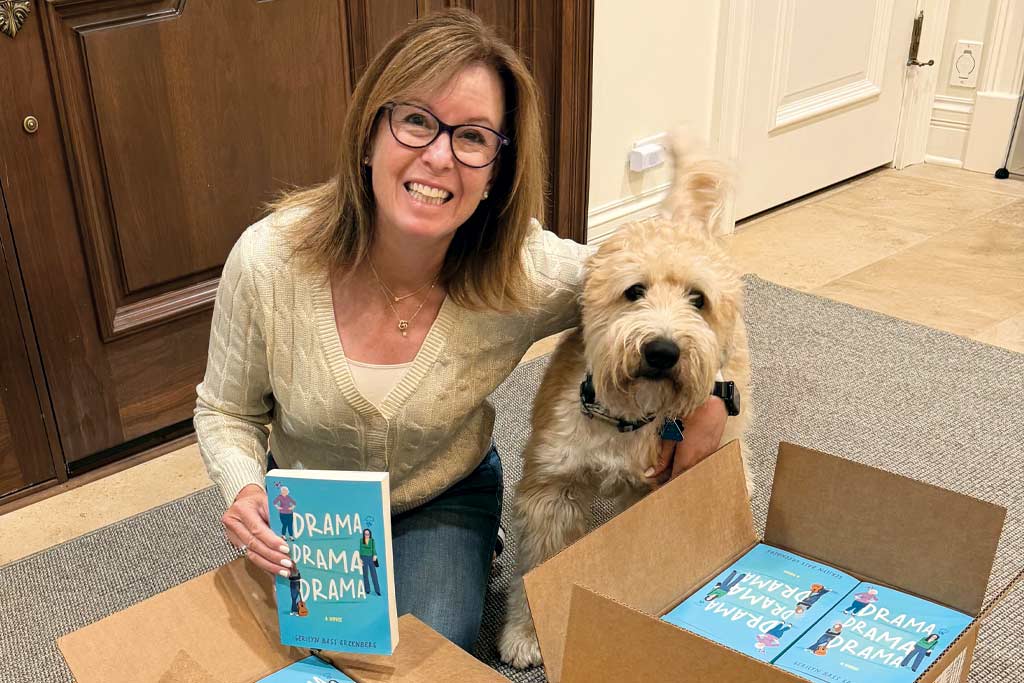
A novel a decade, and a lifetime, in the making
Gerilyn Bass Greenberg’s debut is personal, yet universal
Read more -
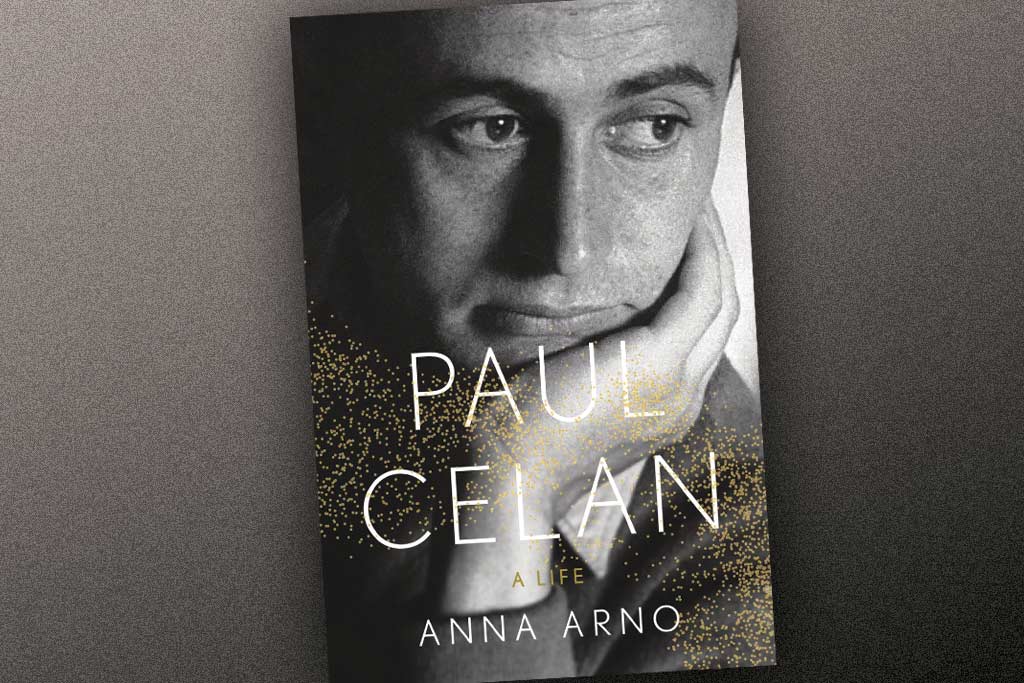
‘No one who has read me can ignore… that I am a Jew’
Biography takes full measure of poet Paul Celan
Read more -

A story of resistance and rescue
Greg Lewis’ new book is a riveting account of an often overlooked true story
Read more