Celebrating the sukkah as an agent for change
ROBERT NAGLER MILLER
Architect Joseph Altshuler holds two firm beliefs about the sukkah: It is more than a temporary dwelling in which Jewish people observe the harvest festival of Sukkot, and it can serve as a catalyst for “building bridges.”
Altshuler–a professor of architecture at the University of Illinois Urbana-Champaign and a cofounder of Could Be Architecture, a Chicago-based design practice that operates at the intersection of the pragmatic, whimsical, aspirational, and politically conscious–is now putting his beliefs to the test.
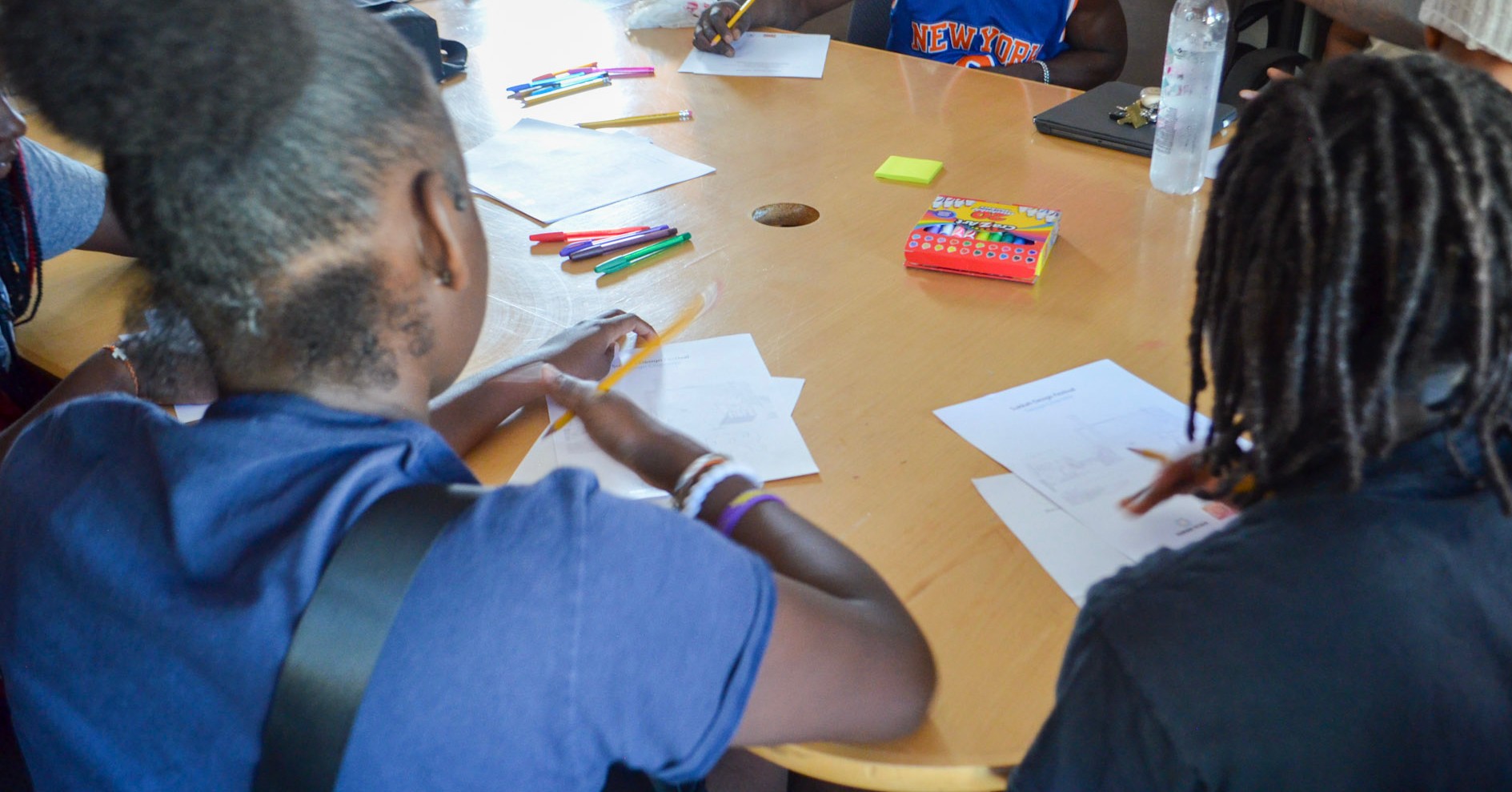
As founder and artistic director of the Chicago Sukkah Design Festival, Altshuler has invited several innovative Chicago architecture firms to work with three local organizations to create individual sukkahs speaking to the history of North Lawndale, which was home to 40 percent of the city’s Jews between 1910 and 1950 and is now a predominantly Black neighborhood.
The three sukkahs will initially be showcased for the entirety of Sukkot–Oct. 9 to 16–by Lawndale Pop-Up Spot. After the weeklong celebration, the sukkahs will move to permanent sites of the local groups involved in their creation and assume new roles. The sukkah at the Stone Temple Missionary Baptist Church will become part of the church’s heritage museum, where visitors can learn about the church’s earlier life as the First Roumanian Congregation, one of many vibrant synagogues that dotted North Lawndale in the first half of the 20th century. The sukkah at the Young Men’s Educational Network will become a farmstand and food distribution center, while the third sukkah at Men Making a Difference will serve as a book nook.
“OMG, I’m so excited,” said Pastor Reshorna Fitzpatrick of Stone Temple, which is partnering with the architectural firm New Office to develop a sukkah paying homage to the Jewish congregants of First Roumanian. “We embrace both heritages,” she said, referring to the Jewish and Black communities, and noted that Stone Temple has longstanding relationships with Chicago area synagogues, some of which it has teamed up with on a variety of initiatives over the years.
Jonathan Kelley, a cofounder of Lawndale Pop-Up Spot with Chelsea Ridley, said that during the Sukkah Design Festival, his museum would endeavor to provide “a broader narrative of the North Lawndale” Black and Jewish communities, which he hoped would lead to “deepening interpersonal connections.”
That sentiment was echoed by Karen Galin, an Associate Vice President in Planning and Allocation of JUF, which has provided financial backing to the Festival. “To utilize the Jewish tradition of sukkah building to talk about issues of equity and racial justice” and to apply “modern interpretations [of Sukkot] that can be sustainably integrated into the community” are concepts that JUF wants to support, she said.
This is not Altshuler’s initial sukkah venture. He and his Could Be Architecture partner, Zack Morrison, developed the Pomegranate Sukkah for Chicago’s Emanuel Congregation three years ago. But the roots of his appreciation for the sukkah date back to his childhood in suburban Barrington, where “I was the only Jewish kid in the neighborhood,” he recounted.
His parents bought a “sukkah kit” from a large chain hardware store, and they installed it in their backyard. Young Joseph invited his classmates and friends over and explained its origins and purposes. “It was a point of cultural pride,” Altshuler said, and a chance for people to learn from each other.
Before Sukkot begins on the evening of Oct. 9, the Festival will kick off that day with a celebration that will include food and a “make your own lulav” program, along with other activities. Other programming touching on social justice, history, and the environment is in the works for the week of the celebration, including on the last day, which coincides with the city’s “Open Boulevards” programming and the Chicago Architecture Center’s Open House Chicago program. Check chicagosukkahfestival.org for updated information.
Robert Nagler Miller is a journalist and editor who writes frequently about arts- and Jewish-related topics from his home in New York.