I loved Christmas growing up. The sparkling tree, Santa’s gifts, the quiet time at home, and seeing friends in the afternoon. We inherited these traditions from my father. But it was my Jewish mother, who bore memories of a stark and stingy childhood, who most eagerly embraced yuletide cheer.
My family was definitely Jewish. There was no question about it, even though my father wouldn’t choose to convert until I was 20 years old. Just as it never occurred to me to think of my half-brother or my adopted sister as anything but full siblings, so too did I never question our religious identity. When I started attending services in the year leading up to my bar mitzvah, I felt completely at home at my synagogue. And when I declared I wanted to be a rabbi at age 15, no one batted an eye.
Personal experience has taught me that Jewish homes contain many kinds of people, with many kinds of backgrounds. Central to my rabbinic vision is affirming a diverse array of families and emphasizing that there is a place for all of them in our Jewish community.
It’s not the absence of Christians or Christmas trees that makes a home Jewish, but the presence of Jewish customs and culture. So while I affirm that every family who joins my community belongs there, I’m equally passionate about exploring the rich treasures of Jewish life and tradition that can bring meaning and purpose to every home.
I always start with Shabbat. The Fourth Commandment says not only “Remember the Sabbath day and keep it holy” but also “Six days you shall labor and do all your work” while reserving the seventh as a day of rest. With this in mind, I encourage families to find ways to differentiate the seventh day, to make it stand out from the rest of the week.
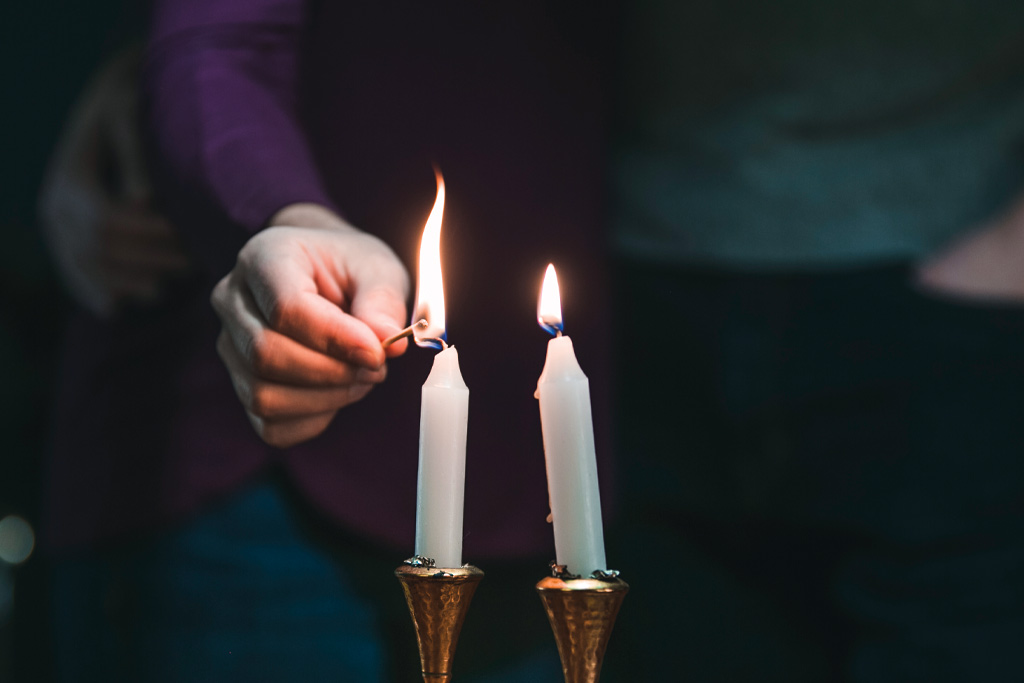
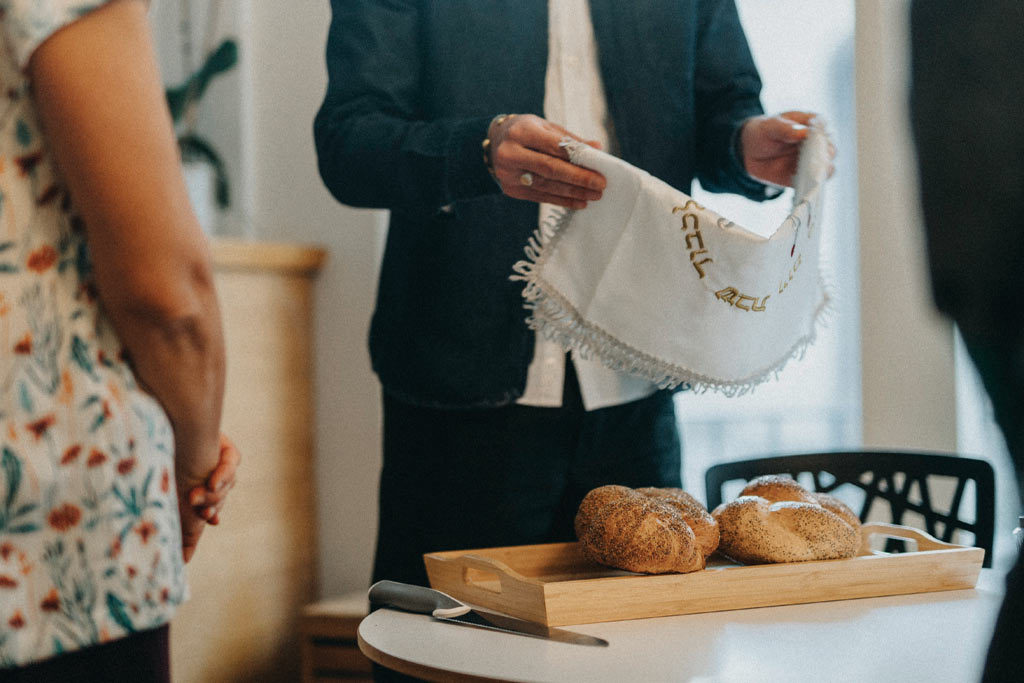
The intention to make Shabbat special might entail study or prayer. (We make that easy at my synagogue, where our religious school meets on Friday nights!) It might entail special family time, perhaps the classic gathering around the dinner table, or the more modern Zooming with Grandpa. It might entail pizza and a movie, or shutting off cell phones, or lighting candles and baking challah. Whatever the details, remembering Shabbat means safeguarding that seventh day, protecting it from the pressures of the rest of the week.
From Shabbat flow the other holidays. Passover and Chanukah are usually the easy ones. I always encourage folks to make Rosh Hashanah and Yom Kippur a part of their Jewish home and to find some way to engage with Sukkot. With a weekly Shabbat and other holidays almost every month, there’s enough to keep any Jewish family interested and engaged year after year.
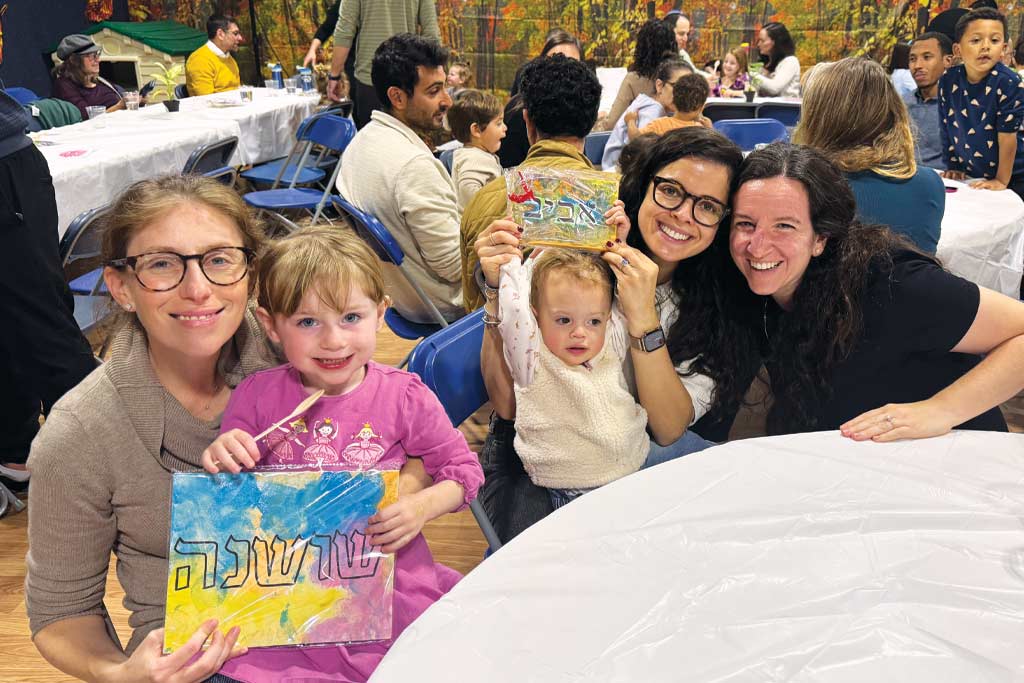
In my own experience, the synagogue was central to my Jewish life. I never lit a Shabbat candle at home, and I didn’t even know you could have a Passover seder in your own house. But from when I was 12 years old, I celebrated Shabbat every single week and never missed a single holiday—and it was because I had a strong (if small!) synagogue to call home. I counsel families not to feel pressure to re-invent rituals they don’t know. Your synagogue is there for you, to provide inspiration and support. In a way, the congregation is part of the Jewish family, always ready connect when you are.
Jewish homes are beautiful for many reasons and in many ways, and I am honored to help families connect with Jewish rituals—new and old—on Jewish time. An open and inclusive community that honors Shabbat and holidays helps everyone in our community build memory and meaning.
Daniel Kirzane is the rabbi of KAM Isaiah Israel in Hyde Park. He serves on the Board of Governors of Hebrew Union College and is the president of the Chicago Association of Reform Rabbis.