Sewing a common thread through generations
SORAYA FATA
Jews in the garment industry
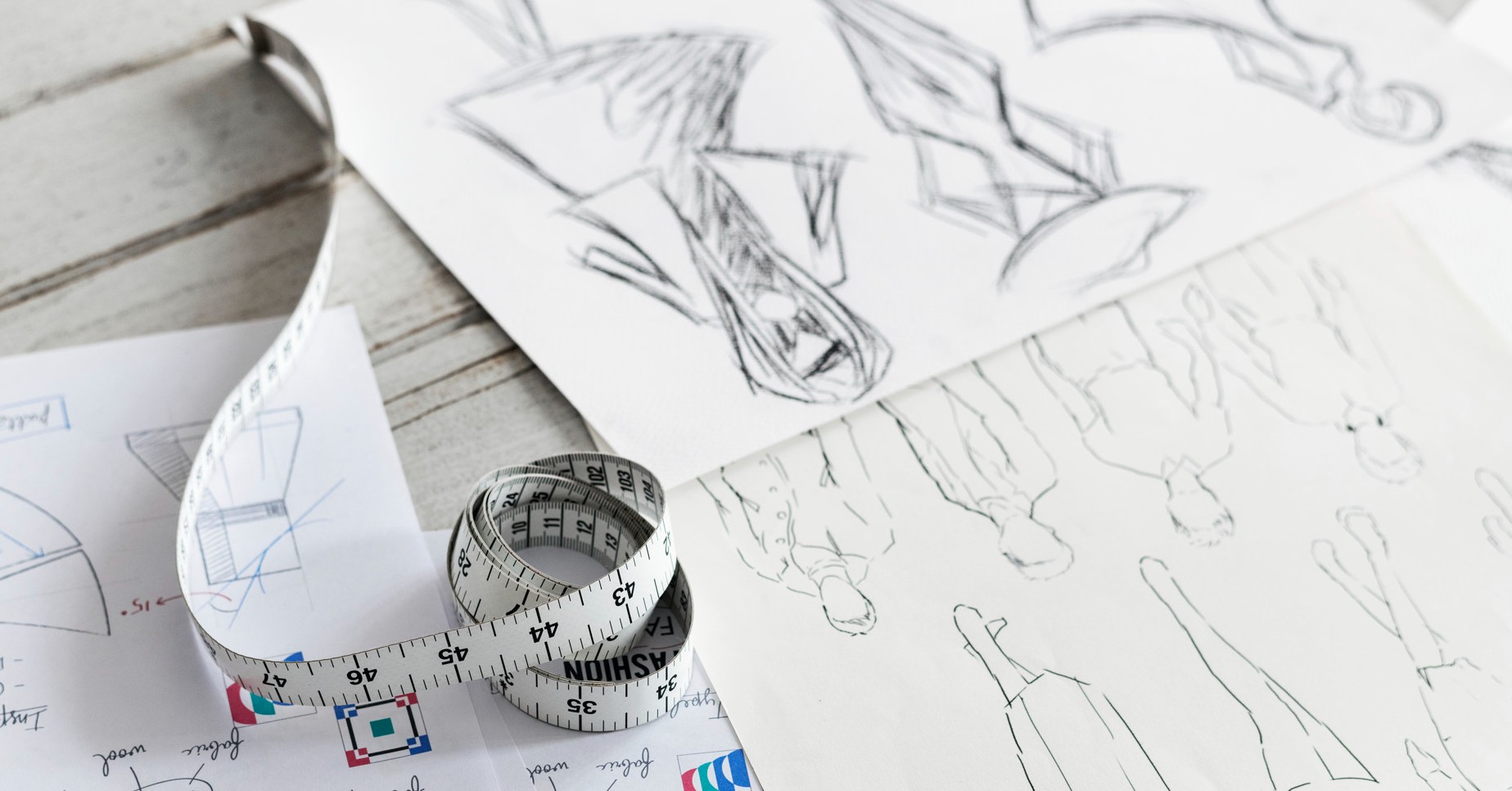
“Your great grandmother was a seamstress,” my mom said, as I sat at my parents’ Singer sewing machine, with paper blueprints, sewing patterns, and fabric cut outs. It was the early 90s, and I struggled to assemble a hot pink polka dot crop top and skirt after learning some sewing basics in my Home Economics class.
Like other Jewish immigrants from Europe, my great-grandmother worked in the garment industry when she arrived in the United States. Garment work was one of the few professions open to Jews in Europe at the turn of the century, and they brought their skills with them. In America, the industry was undergoing rapid expansion, and Jews moved to areas where they could find employment–mainly to New York’s Lower East Side, but also to Chicago’s West Side. Over time, their involvement in the garment and fashion industry became interwoven into Jewish-American life.
My great-grandmother moved to Chicago in the early 1900s and worked sewing men’s suits for Hart Schaffner Marx before taking on her own clientele, using newspaper to create patterns. Clothing “sweatshops” were full of immigrant Jews seeking upward mobility. Many were successful, opening up their own businesses. Bellmans Sweaters in the United Kingdom was founded by my great grandfather’s family. My husband’s great uncle opened a successful fur coat company in Paris.
Revival of DIY sewing on social media
Today, DIY sewing projects are making a comeback! Over the past decade, and especially since the COVID pandemic, there’s been a revival of this pastime. The emergence of TikTok tutorials and start-up businesses around sewing is evidence of this renaissance. The sewing pattern business has swelled to include many online only start-ups, including Friday Pattern Company, Made by Rae, and Helen’s Closet. These companies draft modern, user-friendly patterns that can be downloaded and printed at home. They also link all their patterns with hashtags on Instagram so patrons can share pictures of their completed projects. Closet Core Patterns also includes instructional videos for each garment and recently created a membership community.
“This is my go-to usage of Instagram these days!” Jess Schafer tells me. “Sewing is such a visual activity, and so the format of Instagram works incredibly well for sharing patterns, work, and sewing tips with others.” After taking classes at the New York Sewing Center, Schafer says, “I started to think a lot more seriously about the sustainability of the fashion industry and liked the idea of refashioning or making my own clothing rather than engaging in fast fashion.” It’s clear that DIY savvy millennials sew in protest of the fashion industry. But is there more to it?
The role of nostalgia
Nostalgia likely plays a role in the growing number of home sewing trends. This longing to connect with the familiarity and predictability through reboots, sequels, or fashion remakes, can happen on an individual, familial, or societal level. People become nostalgic when there is uncertainty. It’s easy to see why nostalgia is popular in a post-pandemic world.
Perhaps we long for a simpler time, when we grew our own vegetables, made our own furniture and yes, sewed our own clothes. A time when we were self-sustaining and when quality and craftsmanship mattered. Jews may also experience communal nostalgia. Even though the Jewish experience in the garment industry was initially fraught with hardship and discrimination, those negative feelings have likely dissipated given the success many Jews experienced in this arena. Generations later, all that remains is rose-tinted sentimentalism and a connection to our past traditions and family businesses.
Soraya Fata is a Chicago-based freelance writer and attorney.