
Healing forward
Dr. Betsy Stone, PhD
There can be no question that the pandemic has had a profound impact on the mental wellness of Americans. This endless disruption– coupled with the ongoing traumas of gun violence, racism, antisemitism, and our political discourse– have shaken our faith in each other and our national institutions. Our children are afraid to go to school, to the mall. We spent a couple of years in fear, thinking that everyone else was potentially lethal.
Data tells us that our children are more anxious, more depressed, less able to focus. Therapists can’t keep up with demand, and many in the helping professions– teachers, therapists, clergy, nurses–are leaving their jobs, simply burnt out.
OK, that’s the bad news. What’s the good news? We can create a different future for ourselves. We know that we won’t heal back to a previous normal. The goal can’t be to recover backwards. We heal forward.
Healing has two important components: hope and meaning-making. These essential parts of healing build on and reinforce each other. What are they?
Hope is the idea that the future can be created–by us–to be better. We see this in the strength that some show after tragedy, working to better the world. Think about Mothers Against Drunk Driving (MADD) or March for our Lives (in support of gun control). Both of these grassroots organizations were forged in tragic losses. We see it in the journey mourners take after shiva , reentering the world, accompanied by beloved others. While the trajectory of grief is not easy or predictable, HOPE brings us strength and reminds us that our lives continue.
Meaning-making helps us to integrate and digest our experiences. Victor Frankl taught us about meaning making in his seminal work, Man’s Search for Meaning . It is part of human nature to create meaning in our lives, to begin to understand the impact that we have on events, and that they have on us. What have I learned from COVID?
Hope leads to meaning, and meaning leads to hope.
Psychologists call this process Post-Traumatic Growth (PTG). Like Post Traumatic Stress Disorder, PTG is forged in trauma. People with PTG, and that’s most of us, find meaning in the challenges and hardships we face. They see how their lives have been changed by trauma, and find roses among the thorns.
There are six general areas of post-traumatic growth. While they might seem different, there is lots of overlap. None of us will exhibit all six–that’s not the goal. The goal is to learn the ways in which you and the people you love have grown and will continue to grow. And to celebrate, even in the midst of loss.
These six areas are:
- Awareness of personal strengths
- Deepened relationships with others
- Increased creativity
- Deepened spirituality
- Appreciation of life
- Awareness of new opportunities
Have you experienced any of these during the pandemic, or as a result of other disruptive losses? These are strengths . They are evidence that you’re growing.
While some may be focused on our losses, hope and meaning making can allow us to focus on our growth. Yes, our children aren’t reading at grade level. Yes, we’re more anxious. Yes, we’re having to relearn some social skills. But we may have also learned our values more deeply. We may know what matters–other people, relationships, connection. Let’s find ways to move forward. Let’s move into a future WE create, holding on to the values that matter.
Dr. Betsy Stone is a retired psychologist who consults with camps, synagogues, clergy, and Jewish institutions. She is the author of Refuah Shlema , a compilation of her articles, published by Amazon. Stone recently collaborated with congregational educators through JUF Education to examine the impact of COVID on the Jewish identity of children in our community.
In this issue
-
-
-
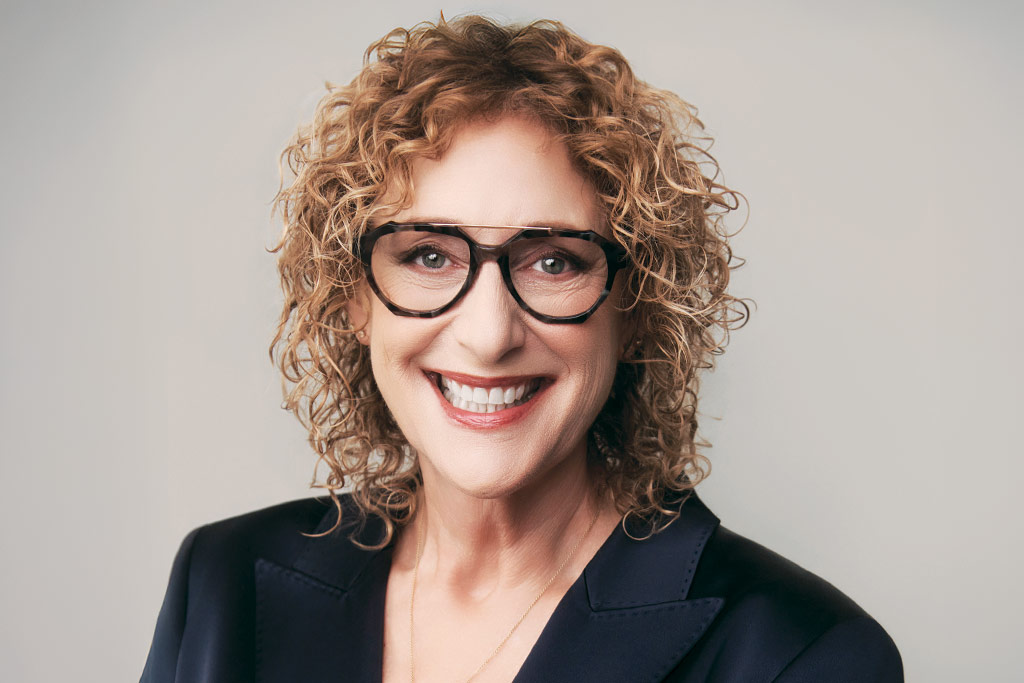
Catching up with Gold
Actor, writer, and comedian Judy Gold is known for her edgy wit and sharp timing
Read more