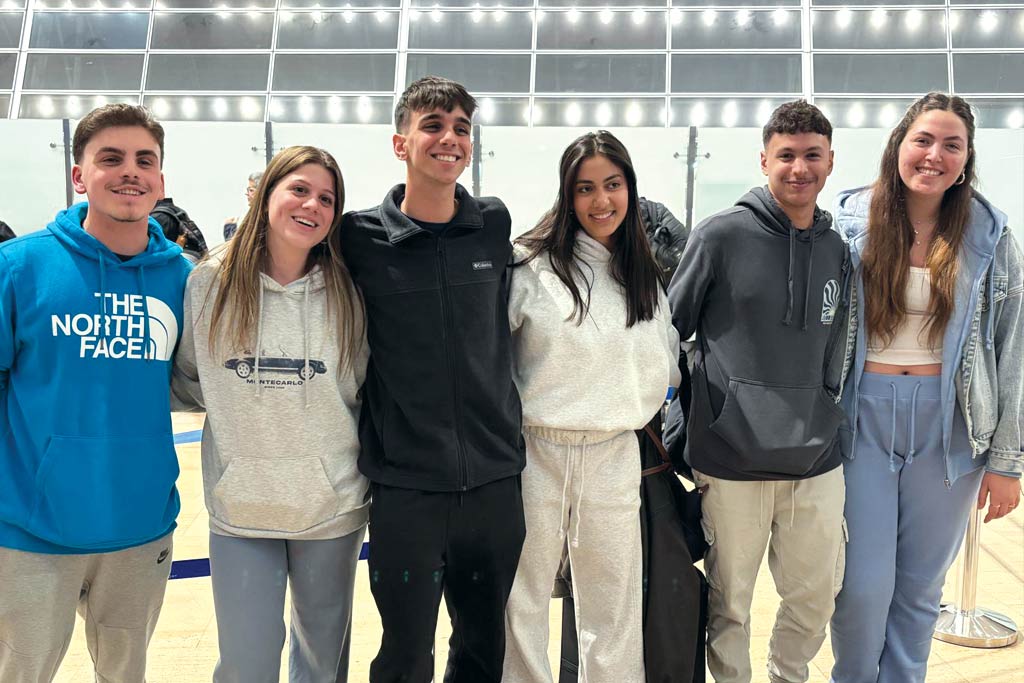
The 2025-26 Shinshinim Chicago cohort.
At just 18 years of age, Israeli participants in the Shinshinim program leave Israel for nearly a year to turn classrooms, youth groups, synagogues, and Shabbat tables across Chicagoland into living connections to Israel. Now, the Shinshinim program is starting a new chapter with JUF as its local home.
Previously housed at the iCenter, the Shinshinim program is operated in partnership with The Jewish Agency. Shinshinim—a Hebrew acronym for Shnat Sherut, or “year of service”—spend up to 10 months immersed in Jewish communities abroad, sharing their experiences, culture, and perspectives.
“We first saw the Shinshinim magic during our first IsraelNow alternative trip to Israel in 2024,” reflected Daniella Elyashar, Director of Teen Israel Experiences at JUF. “We couldn’t go to Israel, so we really wanted to bring Israelis to our programming. We saw how engaging they are and how the teens connect to them. They really brought Israel to life when we couldn’t physically travel there.”
For JUF, the transition represents a natural next step in strengthening Israel engagement in the Chicago Jewish community. In fact, JUF will provide access to Shinshinim without charge, a major difference from years past. “We’re really trying to expose them to many different communities, organizations, and affiliations, to show them the diversity of the Jewish community,” Elyashar said.
Each year, nearly 4,000 Israeli teens apply for placements through JAFI. Candidates undergo a rigorous selection process that includes initial screening, workshops, personal interviews, and psychological assessments before being chosen to represent Israel abroad. This year, JUF will host four Shinshinim, who will arrive in late August, a decrease from last year’s group of six.
“We want to make sure that we’re running it well in our first year,” Elyashar explained. “We also wanted to give ourselves a bit of grace and make it more manageable instead of diving into the deep end. Our goal is to execute this program well and make it very successful.”
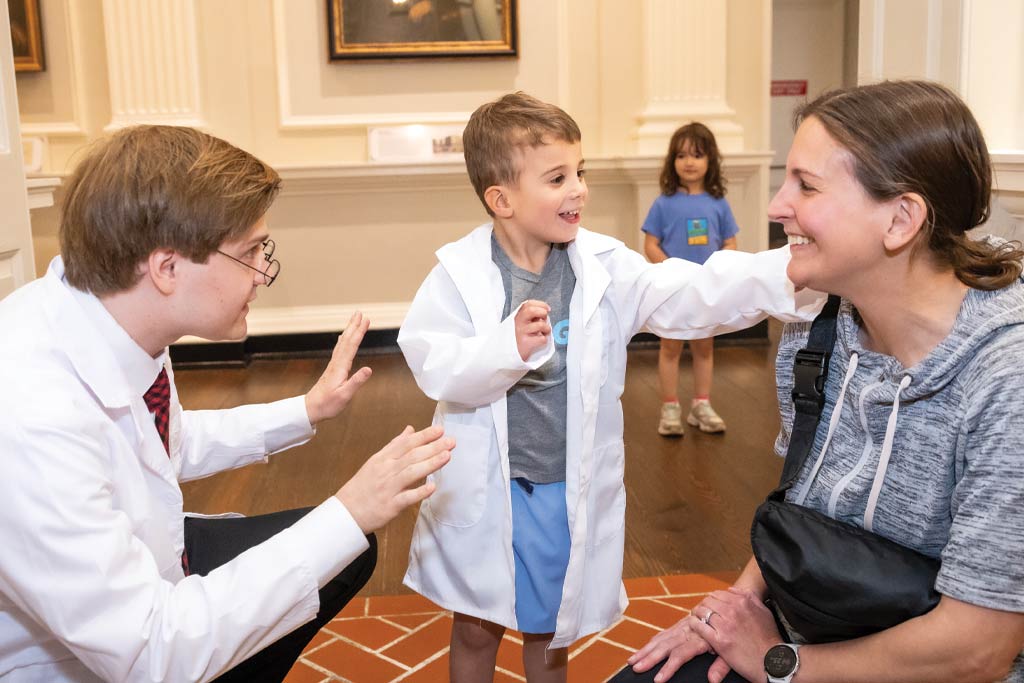
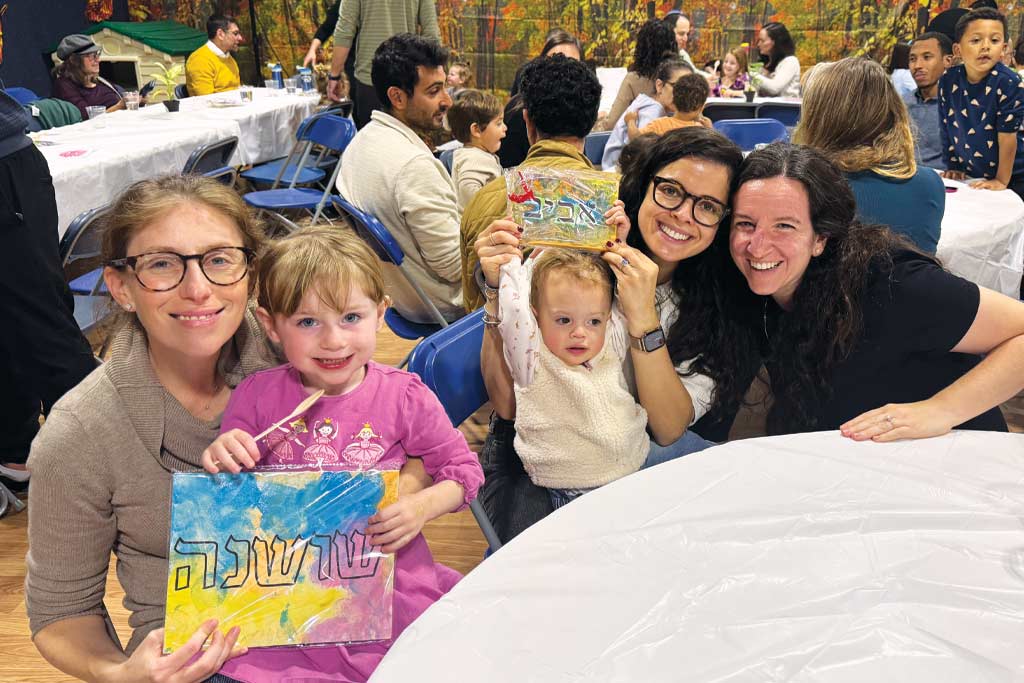
During their service, Shinshinim become deeply integrated into community life. They live with host families, and their roles extend well beyond formal programming. Whether leading discussions with students, joining holiday celebrations, or simply sharing meals with host families, Shinshinim serve as living bridges between Israel and the local Jewish community.
“Having the Shinshinim is better than any book or curriculum,” said Osnat Lichtenfeld, a Hebrew teacher at Highland Park High School. “Having more people that speak Hebrew, and Israelis that decided to devote their gap year to spend time abroad, is empowering and is an advantage that cannot be described in words. It is an amazing experience both for them, and even more for us, as we collaborate together and provide an outstanding foundation, culture, pride, and love of the Hebrew language and Israel.”
Shinshinim will also spend time at JUF’s headquarters to work directly with JUF’s Teens department. “I think it’s going to be really meaningful for our Teens professionals to have young, zesty, energetic 18-year-olds in the building with us,” Elyashar said. “They are so full of motivation.”
Specific goals for Shinshinim outlined by JUF include: bringing Israel to life through educational activities; hosting discussions around Jewish and Israeli culture, holidays and Hebrew language; sharing personal stories; delivering engaging, developmentally appropriate content; and fostering meaningful relationships between Shinshinim and members of the Chicagoland Jewish community. They will focus on grades 3 through 12 through one-to-one small and large group activities in formal and informal settings, and building connections to between Israeli and American Jewry.
“Everyone is going to benefit from this,” Elyashar said.