Making meaningful moments

Ways to connect young children to the High Holidays

HH_RenaGrosserFamily image
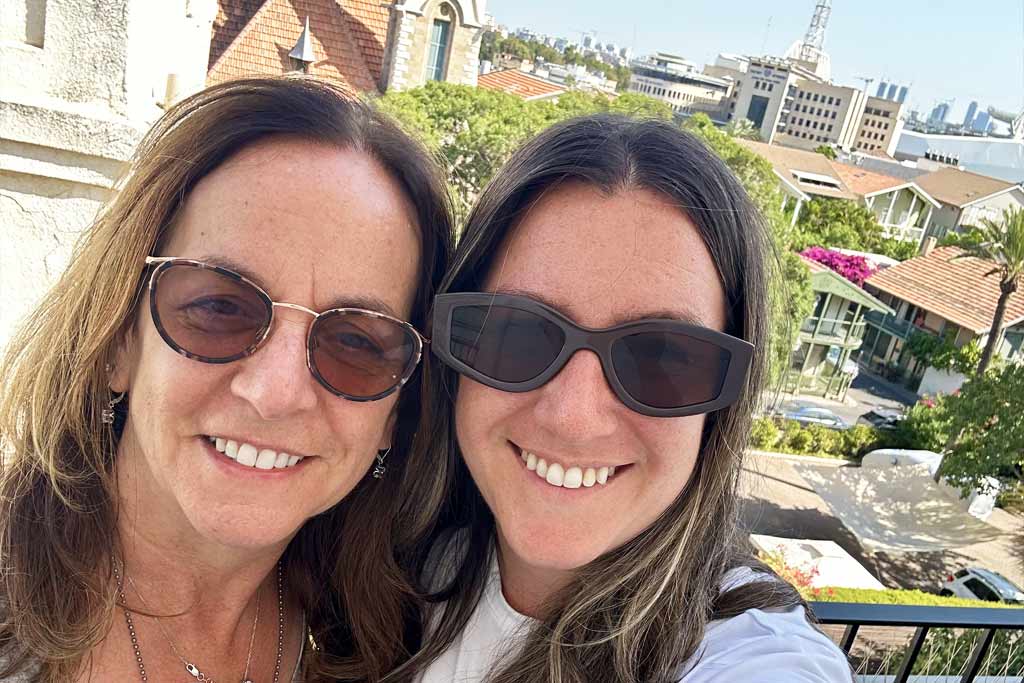
The article’s author with her mom, aunts, sister, and kids making their traditional kreplach for Rosh Hashanah. (Photo courtesy of Rena Grosser)

As the High Holidays approach, we welcome this deeply spiritual and reflective time. However, the traditions and their meaning may be new to younger children.

It is helpful to invite children to learn about their families' customs, rituals, and meaningful ways to connect to the major themes of this renewal season. Children naturally wonder about the holidays as they see the preparations unfold, and we should encourage their curiosity. Every moment is an opportunity for learning and growth, reinforcing some of the holiday's most significant themes.

" KeChomer B'Yad HaYotzer (like clay in the hand of the potter)"; these words are read during Yom Kippur services. As an artist, I feel my own connection has deepened my thinking about our ability to remold ourselves into better selves. From the first day of school, my students are offered clay to explore. As they immerse their hands into this natural medium, they discover its forgiving nature, while they create and release emotion into every movement. They use clay as a metaphor to reflect, repair, and remold.

When I'm preparing my students for the High Holidays, I show them how we can remold and take care of ourselves, each other, and the world around us, as we take ownership of our mistakes and reflect on how we can improve.

We also explore the ritual of tashlich , during which we symbolically cast away our mistakes into a body of water. It's a powerful tool for sparking family conversations about kindness, responsibility, and bringing more goodness into the world. Even young children can grasp the idea of making better choices and being a helper in the new year. Whether at dinner or bedtime, these discussions help build emotional awareness and spiritual connection.

One of the most beloved stories we revisit each Yom Kippur is "Jonah and the Whale." It helps to deepen children's connection to the holiday, spiritually, and emotionally. While children are fascinated by the image of Jonah being swallowed by a giant fish, they also connect with his journey of self-discovery, remorse, and forgiveness. I often use interactive resources like K'ilu Company's holiday kits to offer meaningful, and immersive experiences, to help children identify with the idea of second chances and personal growth.

We can use the High Holidays to empower children through acts of giving and sharing. Last year, we followed my youngest students' interest in cooking and "real work," and together made apples and honey sauce. For Rosh Hashanah, each child was sent home with two jars of applesauce, one to share with their family, and another for giving to a loved one, friend, or neighbor as a mitzvah.

As an educator, I often start the year by instilling the values of community and connection. As a mother, I love nothing more than teaching my children our family's holiday traditions. When Rosh Hashanah comes around, my senses are awakened when I walk into my mom's kitchen; I smell the bubbling chicken soup with our family's handmade sacred kreplach, and the fresh aromas of her challah. I see the beautifully set table which she carefully adorned with my grandmother's china.

Traditions are some of the most magical things you can teach a child. They build belonging and connection to our shared history as they grow their Jewish identity. A special tradition of my late grandmother, Simie, includes my mom and aunts gathering every Rosh Hashanah to spend hours making our Bubbe Rose's (my own namesake) cherished kreplach recipe. They make close to 300 kreplachs that are perfectly "pinched," that my grandmother would approve of. Now, my three kids join in on the kreplach tradition, and I hope they, too, feel the connection to Grandma Simie as I do each year.

The High Holidays are a time to explore ways to be creative, engaging, and meaningful, as we help to foster a connection with young children, making these holy days not just a time of observance, but of family, tradition, reflection, and connection.

Rena Grosser--a Judaic Atelierista and mother of three--is an Early Childhood Educator at Bernard Zell Anshe Emet Day School and has a background in art therapy.


AdvertisementTamarisk POH - Evergreen Ad
AdvertisementSpertus - Advance Your Career 2025 - resized
AdvertisementSelfHelp Home May 2024 Updated
Connect with us