Shabbat saved my sanity
SORAYA FATA
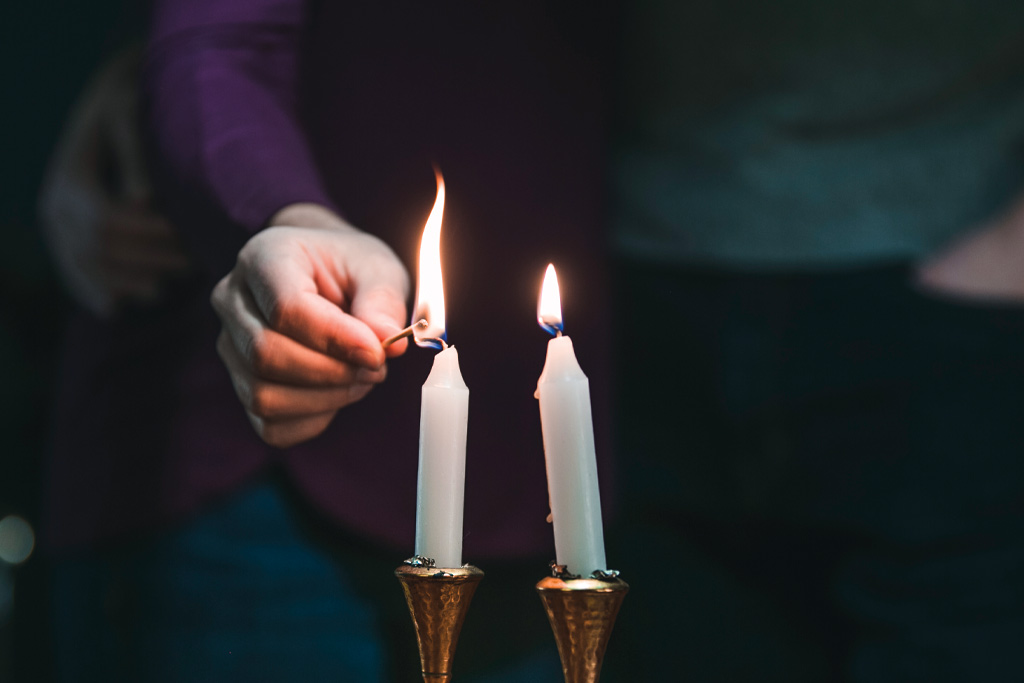
The silver candle holders, tarnished with time, were a gift from my mother-in-law. She bought them from a Yemeni designer in Israel named Moshe Ben David. My husband and I say a prayer for peace and for the safe return of the hostages while we light the candles. The sun is just starting to set outside our window, but all I can see is an orange-red glow through the Chicago frost.
“Shabbat shalom,” we say to our young daughter with a smile.
Neither my husband nor I are particularly religious, but when our daughter was born, we agreed to keep more traditions for her sake. Those traditions have become even more sacred in recent months. The traumatic events of October 7 in Israel, and the rise in antisemitism around the world in its aftermath, have had a profound impact on me.
I felt isolated by the deafening silence of so many people I considered friends. Stress and anxiety kept me in a state of hyperarousal. I scrambled to take down photos of my daughter from social media, move our mezuzah to the inside door frame, and intercept packages from my in-laws in Israel before neighbors see them. I warned my husband against speaking Hebrew in public, and panicked every morning as I dropped my daughter off at her Jewish daycare.
I never expected our Shabbat tradition to provide me with the crucial respite needed from the conflict each week, but its observance saved my sanity and kept my well-being intact-and became a source of resilience.
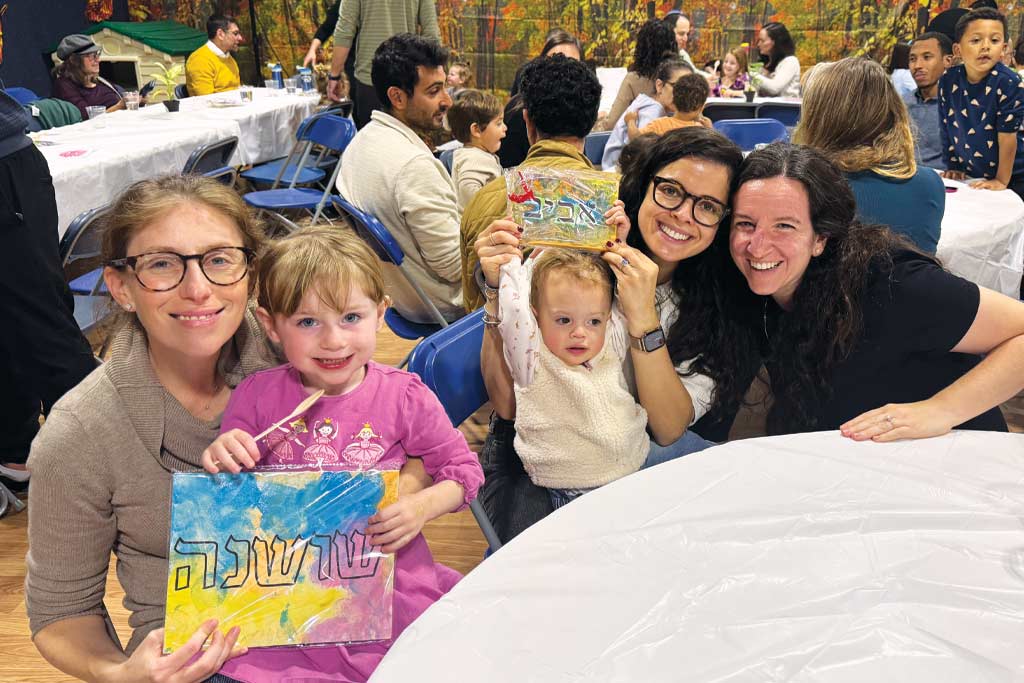
After the conflict started, we decided to host friends and family more regularly to combat feelings of isolation. In retrospect, this not only provided us the connection we needed, but also helped us build strong community ties. Vivek Murthy’s book, Together , highlights the importance of cultivating connection, and the health benefits of having meaningful relationships. Science shows that humans who feel connected are much more likely to flourish and feel happy.
But, did you know that human connection is also the key to longevity and combating illness?
John T. Cacioppo, Founder of the Center for Cognitive and Social Neuroscience at the University of Chicago, wrote the book Loneliness: Human Nature and the Need for Social Connection. He has conducted extensive research on the effects of loneliness and found that, “Chronic loneliness increases the odds of an early death by 20%.” He explains how the brain goes into self-preservation mode when lonely, affecting other functions like our quality of sleep. The cumulative effect can be devastating, particularly on the immune system.
Besides hosting more, we implemented a device-free policy during Shabbat, which curbs our social media and news consumption. We participate in good old-fashioned fun instead-what I like to call “analog activities,” such as being outside, playing board games, or reading. Limiting my time online was sometimes challenging, but I kept coming back to my intention to be present in the moment.
The positive impact of observing Shabbat in this way became immediately clear. Not only did it improve my mood, but I felt calmer and less distracted. The quality time with others grounded me and helped me recharge.
Although the conflict has taken a toll on me, it also helped me recenter my focus and build resilience. My resolve to raise my daughter with an understanding of Jewish values, history, and traditions-like Shabbat-strengthened, as did my ability to slow down, let go of stress and build community.
Shabbat is a tradition that will stay with us long after the conflict is over as a way to maintain our health and well-being.
Soraya Fata is a Chicago-based freelance writer and attorney