JCRC Israel Update: COVID-19, political wrangling, border issues and more
JAKE CHERNOFF
Israel’s second wave of COVID-19 cases. The state of the government amid a spate of protests. The massive explosion that devastated Beirut.
All were part of the Aug. 6 Israel Update from JUF’s Jewish Community Relations Council and Ofer Bavly, Director General of the JUF’s Israel office.
Before Bavly began, JCRC Chair Michael Zaransky reminded those joining the session of JUF’s continuing efforts to assist critical social service agencies and the broader community in responding to the coronavirus crisis.
“The needs are great,” Zaransky said, “and we can all be proud that JUF has been responding under these circumstances to the needs, both throughout the Jewish community and to those most vulnerable here in Chicago.”
In his report, Bavly said the resurgence of the coronavirus in Israel after weeks of decline was significant, with both the infection rate and the death toll continuing to climb. Some hospital ICUs were nearing capacity and were short on personal protective equipment, and the unemployment rate, while down from the 25% level it hit in March and April, was still at 17-18%. Newly named coronavirus czar Ronni Gamzu had instituted a Red-Yellow-Green system to designate differing infection levels and restrictions around the country.
But the military’s Biological Institute at Ness Ziona had just announced significant progress on developing a COVID-19 vaccine, and said large-scale human trials would begin in October. It was unlikely, however, that any vaccine would be widely available for use before May or June of next year.
“There is a strong chance that the actual breakthrough will come out of Israel,” Bavly said, “which would be extremely good news not only for Israel but for the rest of world, as (a vaccine) would undoubtably be shared globally.”
In the political arena, Bavly said the coalition government anchored by Prime Minister Benjamin Netanyahu’s Likud Party and Defense Minister Benny Gantz’s Blue & White Party is fragile and teetering on the edge of breakup. New disagreements emerge daily, most significantly related to the duration of a new budget. Gantz and others contend a two-year plan is needed to stabilize the economy, while Netanyahu says the unpredictability of the pandemic’s economic impact makes it impossible to budget beyond the end of this year. Failure to pass a budget would trigger Israel’s fourth election in less than two years.
Despite escalating anti-Netanyahu protests that have regularly drawn thousands to the streets outside the prime minister’s home and in Tel Aviv, and proceedings in Netanyahu’s corruption trial scheduled to resume in January, Bavly said Netanyahu could see new elections as working to his advantage because there is no clear leadership or organization in the opposition.
Pivoting to the situation in Israel’s north, Bavly said Hezbollah and its Iranian benefactors are trying to establish a foothold in the Syrian Golan Heights. Artillery, rockets and proxy forces have been deployed in the area near Israel’s northeast tip. In response, Israel has struck several of these stockpiles in order to prevent their use against civilians. There also have been attempts by Hezbollah terrorists to infiltrate Israel’s northern borders, as well as rocket strikes against communities along the border.
Much of that, however, took place prior to the blast that destroyed virtually 80% of Beirut’s port. The explosion occurred as Lebanon already was facing a devastating economic crisis, numerous anti-government protests, and the global pandemic. With the port gone, the country — a net importer of food – could face an immense food crisis within weeks, Bavly said. The resulting anger of the Lebanese people has been directed not just at the government, but also at Hezbollah, the Iranian proxy group committed to the destruction of Israel that holds major sway in the country.
On the humanitarian front, Israel has offered aid to Lebanon, but has been rebuffed. As a sign of solidarity with the Lebanese people, Tel Aviv city hall was lit in the colors of the Lebanese flag.
Other stories
-
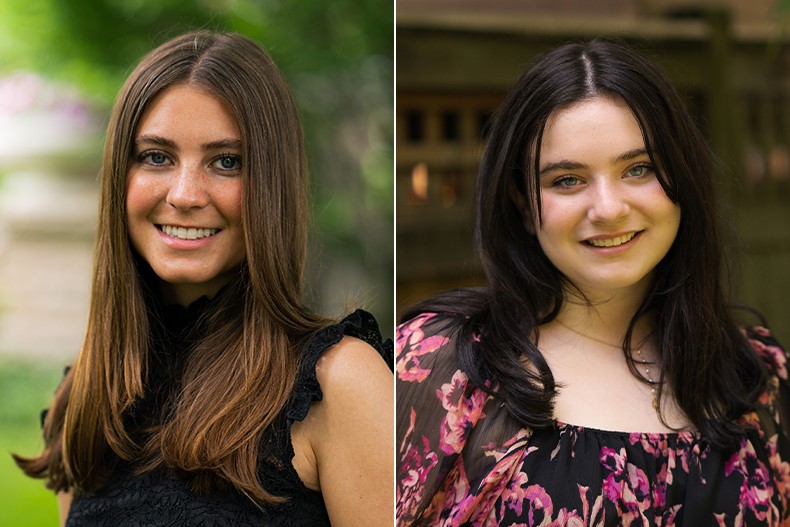
Two local teens win national recognition
Recipients of the annual Diller Teen Tikkun Olam Awards
Read more -

Celebrating six young award winners cultivating the community
Introducing young adult award winners
Read more -
Ten outstanding Chicago-area students have been chosen to receive 2020 Israel Experience Merit Scholarships from the Jewish United Fund of Chicago.
The awards – which go to high school, college, and graduate students to age 23 who demonstrate significant leadership skills – are designed to encourage the development of Jewish identity, nourish greater commitment to Israel and the Chicago Jewish community, and recognize future leaders.
Eight of the students will receive Jewish Federation Naftali Steinfeld Israel Experience Merit Scholarships, and two others will receive the Women’s Board Presidential Israel Experience Merit Scholarship.
The Naftali Steinfeld Merit Scholarship recipients are:
* Ori Bauman, Skokie, Wolcott School
* Devorah Bider, West Ridge/West Rogers Park, Bais Yaakov High School of Chicago
* Meira Tova Cohen, West Ridge/West Rogers Park, Bais Yaakov High School of Chicago
* Phillip Gertz, West Ridge/West Rogers Park, Fasman Yeshiva High School
* Joseph Greenberg, Skokie, Ida Crown Jewish Academy
* Ella Liberman, West Ridge/West Rogers Park, Bais Yaakov High School of Chicago
* Max Miller, Skokie, Ida Crown Jewish Academy
* Avi Shapira, Evanston, Evanston Township High School
The Women’s Board Presidential Merit Scholarship recipients are:
* Natalie Cabell, Lakeview, Bradley University
* Gillian Rosenberg, Evanston, Evanston Township High School
The recipients were selected from several outstanding, dedicated teens and young adults for their involvement in multiple activities (Jewish and secular), their leadership roles, and their ability to be role models for their peers.
Each will receive $1,000 toward his or her upcoming approved Israel Experience program.
For more information about JUF Israel Experience Merit Scholarships, visit www.juf.org/israel_experience/merit_scholarship.aspx .
Other stories
-
Two local teens win national recognition
Recipients of the annual Diller Teen Tikkun Olam Awards
Read more -
Celebrating six young award winners cultivating the community
Introducing young adult award winners
Read more -
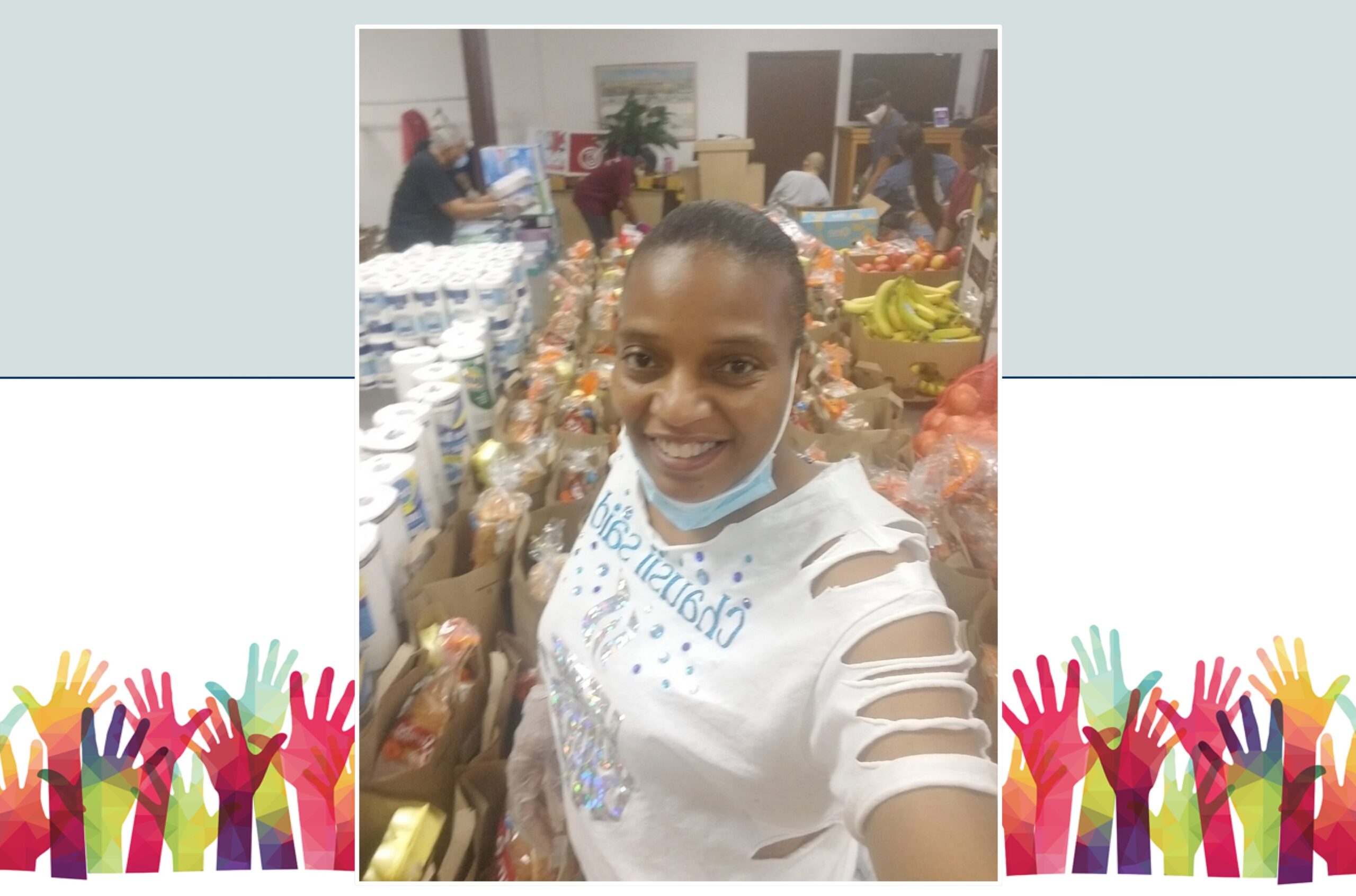
In partnership with the United Way, the Jewish United Fund is supporting local community initiatives to bring more meals and groceries to Chicagoans in need living in underserved neighborhoods.
Funded with a COVID-19 Initiative emergency grant, the United Way collaboration will support more than a dozen community initiatives to help meet skyrocketing demand in “food deserts” – neighborhoods with limited access to affordable and nutritious food – particularly on the West and South Sides.
“We are dedicated to serving people of all faiths and ethnicities,” said JUF President Lonnie Nasatir. “As JUF expands our support of local grocery and meal programs, it is important to our community that we help our neighbors of color who have been disproportionately impacted by this pandemic.”
Grassroots community organizations across the city have sprung into action with “hyper-local” efforts to meet human needs in the wake of the pandemic. Across the metropolitan area, these groups are finding innovative ways to bring food to seniors, schoolchildren without access to free school lunches and other people in need, from creating temporary, “pop-up” food pantries in parking lots to delivering groceries door-to-door.
“A lack of access to healthy and nutritious foods has been an ongoing issue across the Chicago region and the COVID-19 crisis has only served to exacerbate it,” Sean Garrett, President & CEO of United Way of Metro Chicago. “Many of our neighbors can no longer rely on the stability of a paycheck or the two meals that their child would eat at school, leaving them wondering where their next meal will come from. Thanks to this partnership with the Jewish United Fund, we’re able to come alongside community-based organizations to provide children and families with the support that they need during this difficult time.”
Some community nonprofits have shifted their focus to meet the immediate need for food assistance. In view of how difficult it is for a single mother to safely take a newborn on public transit to go shopping, New Moms is now delivering groceries to its participants. Beyond Hunger has started a Facebook Live healthy cooking demonstration series. To support local businesses while feeding the hungry, Centro de Trabajadores Unidos has engaged a woman-run catering cooperative and other neighborhood businesses to prepare and deliver meals to their neighbors in need.
Funded organizations, which serve Austin, Grand Boulevard, East Side, Englewood, Humboldt Park, Lakeview, Near West Side, Oak Park, North Lawndale, Uptown, and surrounding neighborhoods, include:
- Association House
- Beyond Hunger
- Centro de Trabajadores Unidos
- Chinese American Service League
- Family Focus/Nuestra Familia
- Housing Opportunities and Maintenance for the Elderly
- Institute for Nonviolence Chicago
- Kenwood-Oakland Community Organization
- La Casa Norte
- Lakeview Pantry
- MASK (Mothers Against Senseless Killings)
- New Moms
- Resident Association of Greater Englewood
- UCAN
Other stories
-
Two local teens win national recognition
Recipients of the annual Diller Teen Tikkun Olam Awards
Read more -
Celebrating six young award winners cultivating the community
Introducing young adult award winners
Read more -
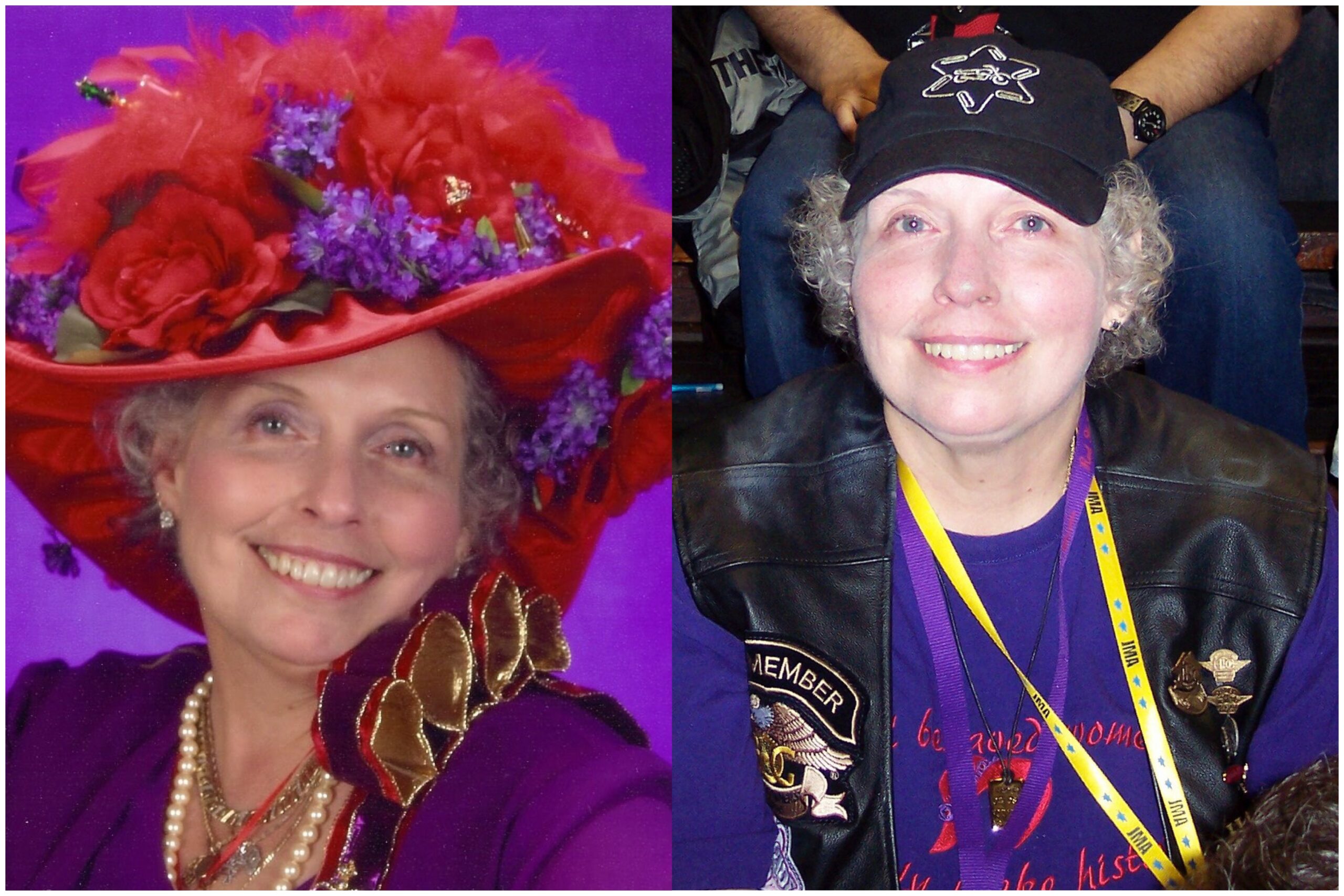
Kathleen “Kathy” Evans worked for JUF in many capacities in 41 years. Born in 1946 in Oak Park, she died on June 11 at 73 in Harwood Heights.
Evans joined JUF in 1978 as a Clerk Typist in JUF News . Over the years, she held several positions, including Operations Manager, Website Data Manager, and the Managing Editor for the Guide to Jewish Living in Chicago . Evans also served as a chief union steward and was a notary public.
“Kathy’s contributions to JUF were extraordinary,” said Aaron B. Cohen, JUF’s Senior Communications Advisor and Evans’ longtime colleague and friend. “When I arrived at JUF in 1994, this woman with penetrating blue eyes took me under her wing. As my assistant for the next 18 years, she kept me focused, entertained, and inspired.”
While Evans struggled with multiple illnesses for many years, “what defined her was not disease but rather love and compassion, determination and stamina, and abiding interest in people and the human spirit,” Cohen said.
In 2011, Evans became a part-time Residential Manager at CJE SeniorLife at the Robineau Residence. Three years later, she returned to JUF as a Central Files Associate and worked in that role until her retirement in 2019.
“She input almost one million documents into JUF’s records system even as her health continued to decline,” recalled Rabbi Louis Lazovsky, JUF’s Vice President of Human Resources.
“We all remember Kathy as larger than life, with her flaming red hair and infectious laugh,” Lazovsky continued. “Kathy had abundant common sense. She knew every employee and everything going on in their lives, as Chief Union Steward of the SEIU Local 73. People gravitated to her because of her warm and giving nature.”
While not Jewish herself, Evans’ long tenure at JUF gave her an appreciation for Jewish culture. Rabbi Mordecai Simon, the Executive Vice President of the Chicago Board of Rabbis at the time, even gave her the Hebrew name of Keturah – Abraham’s wife after Sarah’s death.
“Kathy regularly attended events at my synagogue, Congregation Kesser Maariv,” Lazovsky said, “and was friends with most of our congregants. She was like a member of our family. My daughter called her Aunt Kathy.”
Evans held an eclectic array of interests. She rescued greyhounds, about which she said, “Who’s rescuing who?” She created the Local 73’s website and helped create JUF’s. Evans also published several books, was a certified sommelier, and won prizes for her cross-stitching. She was an active member of The Red Hat Society, and enjoyed photography, gardening, traveling, and attending concerts and motorcycle rallies.
Evans was survived by many cousins, nieces, and nephews. She was predeceased by her parents, Edward and Mary Evans, her brothers, Edward and Dennis, and her beloved husband, Tom Mazur. A memorial service was held earlier this summer, and her cremation was arranged by Cumberland Chapels in Norridge, Ill. Memorial contributions to REGAP (Retired Greyhounds As Pets) in Mendotta, Ill.
Read Evans’ longtime friend and colleague Aaron B. Cohen’s reflection on Evans’ retirement in 2011.
Other stories
-
Two local teens win national recognition
Recipients of the annual Diller Teen Tikkun Olam Awards
Read more -
Celebrating six young award winners cultivating the community
Introducing young adult award winners
Read more -

A pair of weights or cans, a water bottle, and a hand towel are the only necessary supplies for a successful workout at Nikki Katz’s exercise class for young adults with disabilities.
She teaches her class through her work at Keshet-a JUF partner agency serving children and young adults with developmental and varying learning challenges.
As each Zoom video popped in, the participants eagerly looked around for their friends, called out greetings, and sent song requests in the chat. Every week, the 30-minute class is tailored to the group’s interests, from the warmup song to the ending meditation.
Katz enjoys bringing the “simple but fun” workout routines to the class. In her two years of working and volunteering for Keshet, including serving as a direct support professional and working as an aide in the group home, she became inspired to take her work online when the pandemic started.
After her aunt, a group fitness coordinator, inspired her to create a workout class, she watched videos of workouts for adults, kids, and Special Olympics athletes and created a framework. Since her first class at the end of March, she has brought in participants from Keshet’s group home and old friends from her internships with Special Olympics in North Carolina and Argentina.
“I started with a timer and a list of workouts, but it got confusing for me,” Katz said. “Now, I see how the class is doing and make it up as I go. The participants give feedback and song requests, and I try to make it fun for everyone.”
Each of the exercises she presents can be done in several ways, so that no one feels pressured into doing something they don’t want to or can’t do. Instead of jumping jacks, for example, Katz presented an alternative to raise one’s hands up and down. Even if a participant chooses to sit and watch others work out, the class still provides entertainment and social engagement.
“I try to keep people engaged by using their names,” she said. And for both her and the participants, “it’s cool to have a social opportunity with new and old faces.”
Katz has been volunteering with individuals with disabilities since she was in sixth grade and accompanied her father on a medical mission to India. She became involved with the Best Buddies program in high school, and realized, “I knew this is what I wanted to do for a living. It’s a passion I have.”
Katz’s passion shines through during each class, whether she is toasting ” L’chaim !” with her water bottle between each song, adding fun dance movements that match the song lyrics to the routines (like swimming strokes for “Under the Sea”) and providing a calm meditative focus at the end.
“It’s amazing bringing people together during this crazy time and having something to look forward to every week,” she said.
Other stories
-
Two local teens win national recognition
Recipients of the annual Diller Teen Tikkun Olam Awards
Read more -
Celebrating six young award winners cultivating the community
Introducing young adult award winners
Read more -
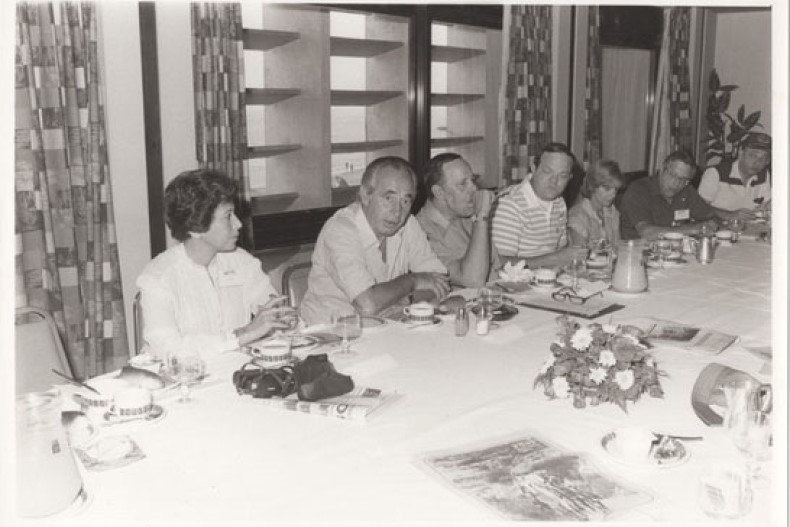
Daniel Marshall Pierce was a member of the Illinois House of Representatives, mayor of Highland Park, and president of the North Shore Water Reclamation District. He died on Feb. 13, at 91.
He was a longtime supporter of JUF and served as a member of the JUF Government Affairs Committee for many years.
Born in Chicago, Pierce graduated from New Trier High School, and then Harvard University for college and law school.
Throughout his career, Pierce focused much of his energy on the environment. As mayor, he initiated a recycling program and enacted a tree-protection ordinance.
During his two decades in the Illinois state legislature, from 1965-85, Pierce served on many committees and as the House Minority Whip. He also authored a special education bill for schoolchildren.
“He was a humanist, a modernist, and a liberal,” remembered stepson Eric Orner. “Public service and clean government were the values that animated him.”
Pierce was elected Mayor of Highland Park–where he lived for most of his life–in 1987 and reelected in 1991 and 1999, serving until 2003. As mayor, Pierce worked to preserve a former American Legion building, served on the Sisters Cities Foundation, and helped pass legislation to make Clavey Road and Illinois Route 41 safer.
After his last mayoral term, Pierce served as president of the North Shore Water Reclamation District for over a decade.
“He went to a Water Reclamation meeting the day before he died,” said Rhoda Pierce, his wife of more than 39 years. “He never slowed down. It was never about him, but the constituency he served.”
Pierce is survived by Rhoda (nee Kaplan); by his sons Andrew (Margalynne), Anthony (Teresa) and Theodore (Anne); and stepsons Eric (Blake) and Peter (Katie). He was the grandfather of Rebecca, Catherine, Oliver, Martin, Ellen, Phoebe and Roscoe, the loving brother of the late Ellen (Gardner) Grant and Susan (Louis) Axelrod.
A memorial service was held in May at Makom Solel Lakeside in Highland Park.
Other stories
-
Two local teens win national recognition
Recipients of the annual Diller Teen Tikkun Olam Awards
Read more -
Celebrating six young award winners cultivating the community
Introducing young adult award winners
Read more -

Singer, incoming Assistant Rabbi at Temple Sholom in Chicago, applies this same dual perspective to “Modern Ritual,” the Jewish educational Instagram platform she started three years ago with friend and fellow millennial Rabbi Samantha Frank.
“We were getting so much incredible information about Judaism in rabbinical school,” she said. “We wanted to think about how we could get that information out there, and also help portray a Judaism that people could see themselves in and that looks like the rest of people’s lives. Instagram was an exciting way to figure out how to do that.”
The approach worked. Modern Ritual has garnered an impressive 15,000 followers. Images juxtaposing familiar Jewish symbols with elements of modern life, underscored by relevant and thought-provoking captions, regularly engage followers. Picture brightly colored fruit smoothies in mason jars shining alongside a freshly baked challah or worn siddur filled with ancient prayers.
Jewish millennials have been gobbling it up, and Singer plans to bring her unique insight to continue building community and connection, both in-person and virtually. “She has a wisdom that goes beyond age and goes beyond platforms,” said Temple Sholom’s new Senior Rabbi Shoshanah Conover. “She knows how to translate that wisdom through everything she does, including Modern Ritual.”
Growing up in Seattle, the daughter of two reform rabbis, Singer has known since childhood the power of the Jewish community. “I got an incredible inside view from a very young age into different ways Jews and the Jewish community can show up for each other in times that are difficult and times that are joyous,” she said.
Singer acknowledges that a combination of factors, including the current global health crisis, social justice movement, and pervasiveness of technology, affect young Jews and their ability and interest to engage with religion. “For the younger millennial generation, the word “community” has lost a lot of its meaning,” she said. “Especially with the coronavirus and with a lot of the things that have happened with Black Lives Matter, people really want to feel connected and feel like they are a part of something, but they don’t often know where to start.”
Already providing spiritual support and connection before the pandemic, Modern Ritual was poised to help followers navigate our constantly changing world. “We didn’t have to shift too much because we were already doing what a lot of the Jewish world was forced to switch to online. We accidentally prepared for this,” she said.
Singer aims to continue dispelling stereotypes and breaking down barriers common to Judaism. “A lot of people don’t really understand what a rabbi does in the day to day,” she said. “I’m really excited to fuse my daily life as a rabbi at Temple Sholom and say here are things I did today. This is how a baby naming works and this is how you choose a Hebrew name.”
Blending her full-time professional rabbinic role and her Instagram presence, Singer will keep providing beautiful and engaging Jewish content through the Modern Ritual account, serving up spiritual nourishment to thousands of followers. But, ironically, she considers her new pulpit at Temple Sholom to be the more groundbreaking one.
“I think that trying to build in-person, sustainable communities,” she said, “that help bring meaning to people’s lives is the most radical, innovative thing you can do.”
Leslie Hill Hirschfeld is a freelance writer living in the northern suburbs of Chicago.
Other stories
-
Two local teens win national recognition
Recipients of the annual Diller Teen Tikkun Olam Awards
Read more -
Celebrating six young award winners cultivating the community
Introducing young adult award winners
Read more -
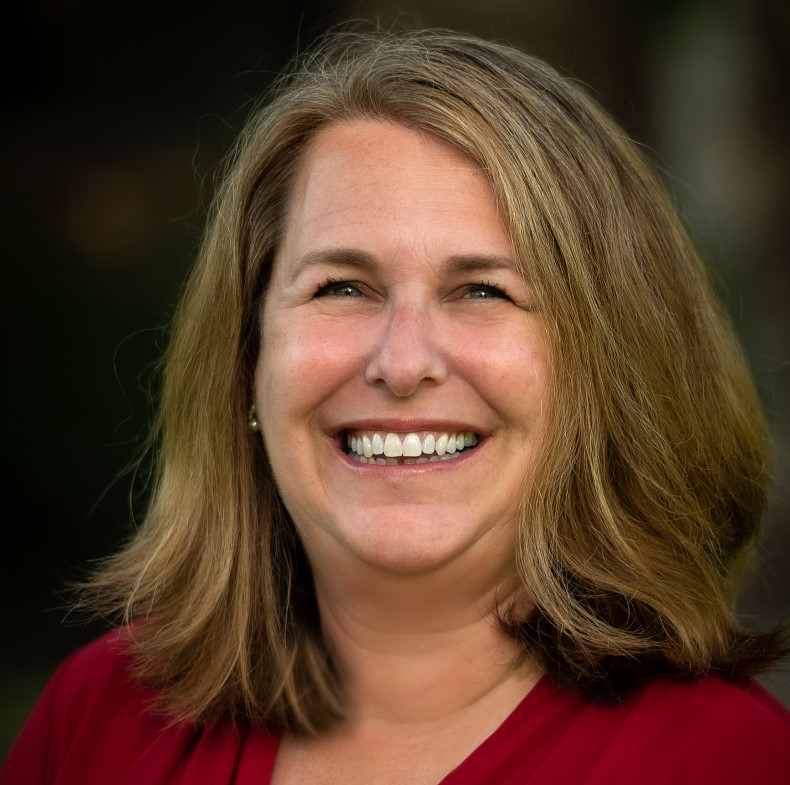
During a holiday gift drive early in Stacey Shor’s career with the Jewish Children’s Bureau (JCB), she recalls meeting a young ward of the state asking for a CD player. When Shor told her the item was above her budget and asked her to “tell me something you really want,” the girl replied, “what I really want is to live with my parents, but I can’t, so I want this CD player.”
“What can we give her that can replace that?” Shor recently said in an interview. “Her voice has always…reminded me that people’s needs are so personal and will come out in different ways, and our job is to stop and listen.”
Shor has been listening to clients’ voices ever since, and this summer–30 years after beginning her career at JUF partner agency JCFS Chicago–she is taking the helm as president and CEO.
She first became involved with Jewish Children’s Bureau before it merged with JCFS Chicago, working in a residential group home as a childcare worker. She worked in that role for two years, took a short break and moved away, and when she came back in 1998, she took a job leading the volunteer program and has served JCFS Chicago ever since.
“The position appealed to me because there are so many ways to help the community,” she said. “I started my career with direct service, and over time I thought I could have better impact if I help people help others.”
Shor soon started reporting directly to the then-executive director, Bob Bloom; working with the auxiliary; writing grants; and developing goals with the board.
“I have a can-do spirit,” Shor said of her willingness to change her role so dramatically. “Also, I was incredibly well supported. The organization was great to me, lay leaders were great to me, and there was no lack of opportunities to learn.”
In her work, which would grow into a position as Chief Development Officer, she watched and helped the agency evolve. She also assisted with merging JCB with JFCS and then JCFS with JVS, HIAS, and Response, helping each agency find its niche within the larger organization.
In the last couple years, Shor has been guiding JCFS through a management redesign, rebranding, and revamp of its program portfolio as the Chief Operating Officer. She also served as project manager during the construction of the Abe and Ida Cooper Center.
Shor succeeds Howard Sitron, who is retiring, in leading the agency. “Without Howard’s guidance, mentorship, and leadership by example, I would not be stepping into this role,” she said.
Looking forward to her new job, she hopes to “learn from and honor the past of the organization while recognizing that one of the reasons JCFS has become a 160-year organization is we never shied from change and the ability to address emerging needs in new ways.”
This includes ensuring that the agency can address wide needs within the same family, enhance programming for people with disabilities, and learn from the COVID-19 pandemic to serve a wider geographic area with telehealth and other resources.
In addition to her ambitious goals at work, Shor, a mother of two, recently finished grad school, and spends her free time reading, listening to podcasts, cooking, and taking long walks with her husband.
Shor will hold a special role as the first female CEO of JCFS as a merged organization. Each predecessor agency has a history of female executive directors, and “I’m following in that tradition of strong female leadership as opposed to breaking ground,” she said. “It’s unusual to have a female CEO of an agency of this size, but it’s important to recognize the women who did this work for so long.”
Other stories
-
Two local teens win national recognition
Recipients of the annual Diller Teen Tikkun Olam Awards
Read more -
Celebrating six young award winners cultivating the community
Introducing young adult award winners
Read more -
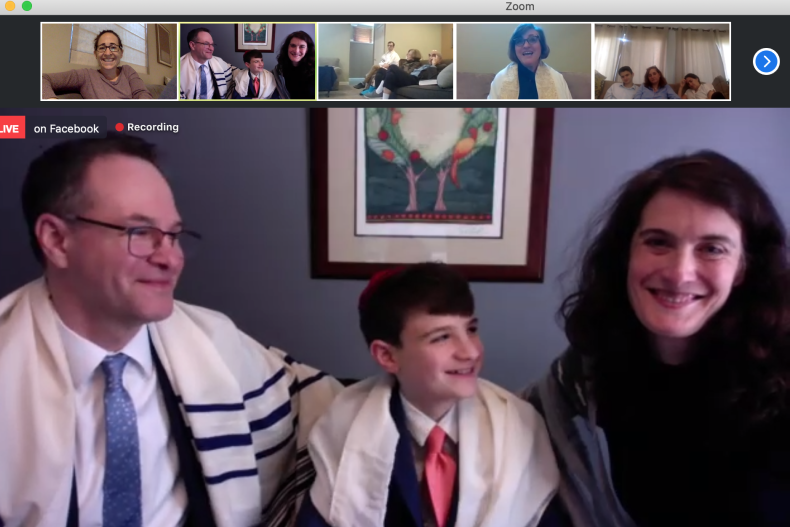
The date is set, the Torah portion is learned–then the world pauses for a pandemic. What happens to bar and bat mitzvahs planned years in advance?
“Although we had the option of postponing, [we] agreed that it was important to honor this milestone now, even if it would look drastically different than what we had envisioned,” said Hillary Coustan, mom of bar mitzvah boy Eli Coustan reimagined Eli’s bar mitzvah service on Zoom, including figuring out options for people who do not use technology on Shabbat; adapting cherished traditions like passing the Torah down the family line; and ordering takeout to their families’ houses for a Zoom kiddush.
She and her family received feedback from guests that they were more engaged with the service due to its more intimate setting. Coustan agreed: “In some ways, the tightened restrictions ended up being a good thing in terms of us feeling our community embracing us during the service,” she said.
Trying to find the positives in this complicated situation also helped Maya Freedman and her parents, Jessica and Ross, make the best of the situation. When they heard that their synagogue’s sanctuary would be closed, “we were adamant about wanting to keep the date” and figure something out, Jessica said.
Rabbi Aaron Melman of Congregation Beth Shalom in Northbrook lent the family a Torah scroll from the synagogue’s ark and Maya’s grandfather, Rabbi Victor Mirelman, performed the service over Zoom. The family created an entire virtual Saturday morning service followed by a special kiddush with bagels flown in from New York City.
Maya’s father, Ross, managed the technology to ensure the day went smoothly. “At first, we didn’t think she was going to have the same experience she should have had, but I don’t think we lost anything,” he said. “The bat mitzvah went so well that we felt it was just as special as it would be in person.”
Chaya Leah Carlsen felt similarly about her son Tzvi Meir’s bar mitzvah. “It was a really good learning experience for him to see that sometimes things in life don’t always work out the way you’re hoping, and you have to be able to roll with it,” she said.
Tzvi Meir made his virtual bar mitzvah special by creating matching sweatshirts with the logo from his bar mitzvah and sending them to friends and family, as well as completing his mitzvah project by collecting and donating toys to Chai Lifeline from quarantine
The Carlsens pre-recorded the service on the Thursday before, which came in handy when they experienced problems with Zoom on the big day. Even with the complications of changing to Google Meet, Chaya Leah described the day as “very manageable and easy to maneuver.
Adapting to change was also important for the Hartman family and their daughter, Juniper. The family ended up driving to be closer to family, conducting a socially-distanced backyard service, and streaming the service on Zoom
Juniper designed a special service, including a video montage of photos and music and a presentation of art based on her Torah portion. Mom Anna felt like the family took ownership of the service in a way more traditional services don’t allow, for both the in-person and virtual elements
One particularly special element was the video recording of the service: “On the day of, it was a challenge to be present in the moment,” Anna said. “I wouldn’t have videotaped her bat mitzvah [before], but now I have this great Zoom recording that enables me to relive it.”
All four families found deep meaning in services that looked very different from how they were originally planned. “On the surface, our son’s virtual bar mitzvah looked very different from an in-person one,” Hillary said. “Yet, in every way that mattered to our family, the day exceeded our hopes and expectations.”
Other stories
-
Two local teens win national recognition
Recipients of the annual Diller Teen Tikkun Olam Awards
Read more -
Celebrating six young award winners cultivating the community
Introducing young adult award winners
Read more -
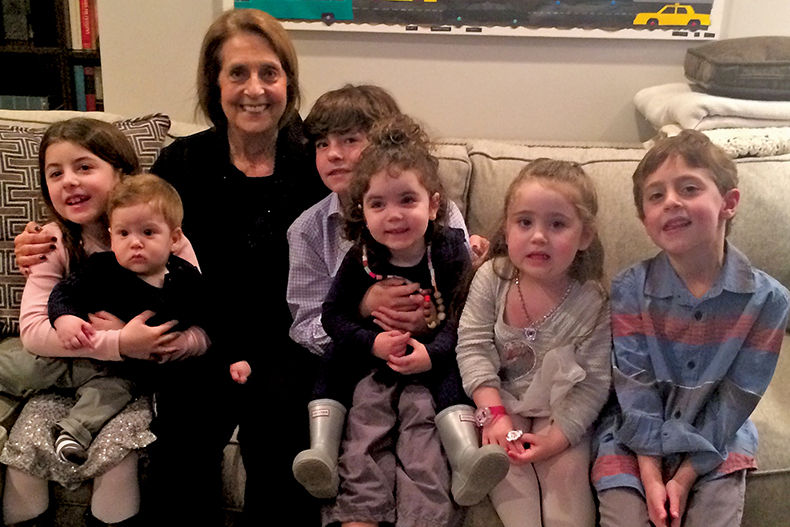
For decades, the late Etta Jonas worked in some of the most underserved Chicago communities, first as a social worker and then as an educator. Now her family has invested in Jewish education for the second time in two years, doubling the funds available for scholarships to Solomon Schechter Day School in Etta’s memory.
“Mom believed Jewish education was one of the most important ways to preserve the Jewish community and instill Jewish values in children,” said daughter Ann Schneiderman, noting that she and her sister are not only Schechter alumni; they are Schechter parents as well. Their brother is a member of the Schechter board-and his children will attend Schechter when they are older.
The $1 million endowment, a gift recognized through the Jewish Federation Centennial Campaign, will provide tuition support to help more families experience this education and the community connections that come with it. The gift brings the total donated for Schechter scholarships in Etta Jonas’ memory to $2 million.
“Our mom loved watching us form strong connections to Judaism and create everlasting friendships with people who share our values and affinity for Israel,” said daughter Orete Harkavy. “She especially enjoyed seeing another generation-her grandchildren-participate in school events and ceremonies.”
Along with family values, Etta credited their multi-faceted Jewish education for her children’s community involvement.
“We understand that achieving a high-quality education requires significant resources to innovate and evolve,” said son Jonathan Jonas. “We want Schechter to thrive and continue to offer a phenomenal Jewish education to all families that desire it.”
Other stories
-
Two local teens win national recognition
Recipients of the annual Diller Teen Tikkun Olam Awards
Read more -
Celebrating six young award winners cultivating the community
Introducing young adult award winners
Read more -