
When the need exploded, so did the support.
In just six weeks–from mid-March through April–as the scale of the coronavirus crisis first became clear, charitable contributions from funds and foundations that donors have established at JUF soared nearly 50% above the same period last year.
And $3.5 million of that went to hospitals, food banks, social service agencies, and others directly responding to the urgent needs the COVID-19 pandemic created.
“Our community has really rallied,” said Sharry Hyman, assistant vice president at JUF’s Center for Jewish Philanthropy. “We called and sent emails to our Donor Advised Fund and Supporting Foundation donors about the challenges people are suddenly facing. For some of those affected, it is the first time they have needed help. For many, an already difficult situation has gotten far worse.
“Our donors responded quickly and generously,” she said. “The number of phone calls and emails we’re getting from them is up significantly. And so is the number of grants they are making.”
JUF’s Center for Jewish Philanthropy is home to more than a thousand Donor Advised Funds and Supporting Foundations, vehicles that help individuals and families effectively and efficiently manage their charitable giving to organizations within and beyond the Jewish community.
Many of those who established the funds and foundations have longstanding relationships with JUF, Hyman said, some going back generations.
For more information about the Center and the resources it provides, visit jufplannedgiving.com or email [email protected] .
Other stories
-
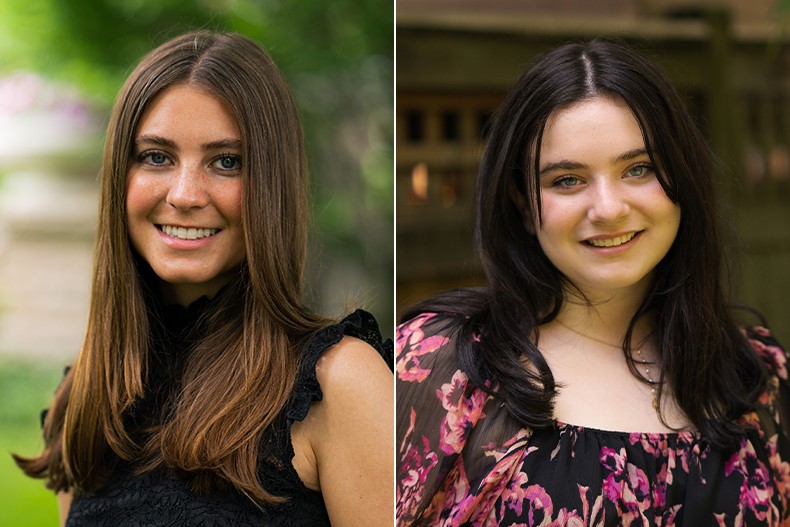
Two local teens win national recognition
Recipients of the annual Diller Teen Tikkun Olam Awards
Read more -

Celebrating six young award winners cultivating the community
Introducing young adult award winners
Read more -

In black and white
Around the corner from Uptown’s Aragon Ballroom and the Green Mill jazz club rests a little brick building that was once one of the foremost silent film studios in the United States. From 1907-15, the Essanay produced silent films by larger than life stars such as Charlie Chaplin, Gloria Swanson, and Gilbert “Broncho Billy” Anderson.
At the time, Chicago was one of the top three movie-making cities in the nation, keeping pace with industry leaders New York and New Jersey. In those days, the village of “Hollywoodland” in California was still in its infancy; if you wanted to make it big, Chicago was the place to be.
Kwa̱nu’sila, ‘The Thunder-Maker’
Ever wondered why there’s a totem pole at Addison and Lake Shore Drive? It is a replica of a First Nations totem pole called Kwa̱nu’sila, “The Thunder-Maker,” that was featured at the World’s Columbian Exposition of 1893 and was gifted to the city in 1929.
Kwa̱nu’sila tells the origin of the “First Ones,” the four beings–the sea monster, whale, human, and thunderbird–who founded the Kwakwa̱ka̱’wakw tribe of British Colombia.
There are many variations of this story; however, a theme that unites them all is the give and take between humanity and nature, and the power of that connection to create and destroy-a lesson the City of Chicago has been learning over and over again since its founding in 1833.
Making a splash
West of the Damen Blue Line station stands an apartment building with an ivory-colored façade and a steamy history.
In the early 1900s, Bucktown and Wicker Park were predominantly Eastern European immigrant neighborhoods. In 1922, the North Avenue Baths–also known as the Russian Luxor Baths–were built to provide this community with a restorative meeting place. However, not all of the Baths’ attendees where there for a refreshing dip.
It is said that the Baths were frequented by prominent politicians of the day who needed a private place to discuss “delicate” political matters without being overheard-or wiretapped.
A city on the rise
When Chicago was incorporated in 1833, the town and shoreline of Lake Michigan were at approximately the same elevation, which hindered the construction of effective sewers and drainage channels. During the 1830s-1850s, Chicago was in a constant state of epidemic, with cholera and dysentery wiping out a significant percentage of the city’s population.
How did the city solve this problem? It got jacked. Literally. In 1856, entire buildings and city blocks were lifted several feet in the air with the use of hydraulic jacks and new building foundations, streets, and sewers were built beneath them.
Land owners from lower income neighborhoods, like Bucktown and Pilsen, could not afford to raise the foundations of their buildings. So, when the streets rose around them, they moved the entrances to their buildings to the second floor.
Lends a new perspective to “getting in on the ground floor,” doesn’t it?
Ja, und…
In 1959, Chicago redefined comedy with the founding of The Second City, a theater dedicated to improvisational comedy, the golden rule of which is to agree and build upon comedic scenarios by saying “yes, and…”
The Second City façade is just as storied as the theater itself, and equally as committed to improv’s golden rule.
Its arched façade used to adorn the tallest theater in the world, the Garrick Theater, designed by Louis Sullivan and the Jewish Dankmar Adler–architects of the Auditorium Theatre–which, in an earlier incarnation, celebrated German artists.
Four of those artists–Fritz Reuter, Wolfgang Amadeus Mozart, Gotthold Ephriam Lessing, and Giacomo Meyerbeer–can be found in relief among the white arches. Each time Second City has moved to a new location over the last 60 years, the façade embracing “yes, and” followed.
If you’re looking for more self-guided tours, check out lonelyplanet.com and MetroWalkz.
Jenna Cohen is a development professional and freelance writer living in Chicago.
Other stories
-
Two local teens win national recognition
Recipients of the annual Diller Teen Tikkun Olam Awards
Read more -
Celebrating six young award winners cultivating the community
Introducing young adult award winners
Read more -
What was a ritual your father taught you growing up that you carry on with your own little ones today? We asked some Chicago Jewish dads to weigh in on their favorite full-circle family traditions.
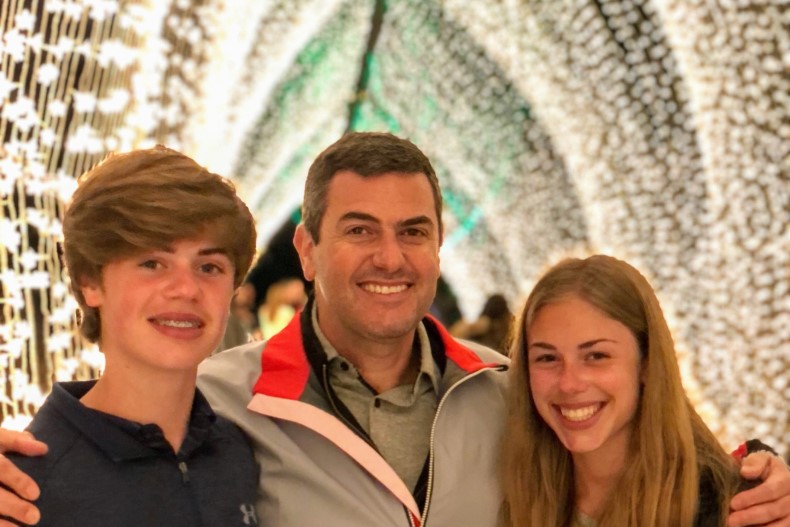
Kyle Freimuth
One of my favorite traditions that my parents did with me was around bedtime. Every night, my Dad would say, “Good night, sleep tight, see you in the morning light. Mommy and Daddy love you. Good night!” I say that every night to my kids.
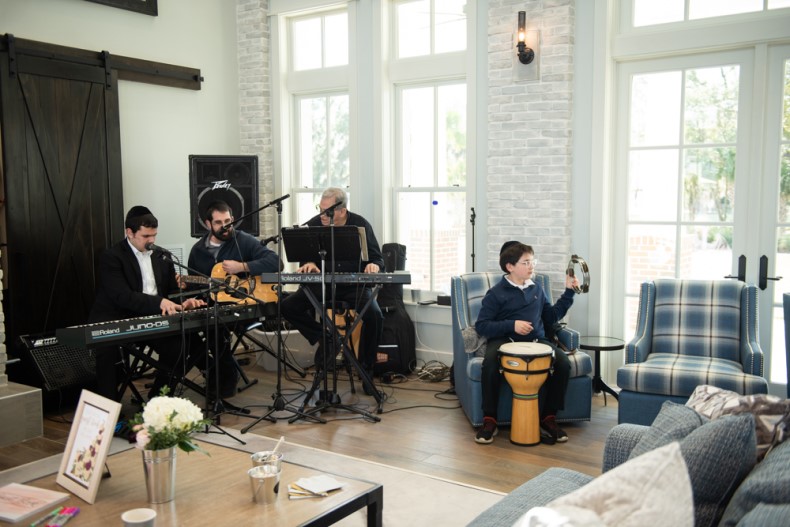
Rabbi Josh Marder
My father grew up during the 1960’s hippie era in the San Francisco Bay Area. I grew up rowing on the crew team rowing during the ’90s. I raise my kids in a post-millennial world of the 2020s. Thankfully, we always have a place to bond through playing music together. My father had a Jewish music/klezmer band, and I played with them sometimes. I had my own Jewish music band. Now, my oldest son leads concerts, and sometimes I get to play with him, too. Our common ground, our common bond, transcends the generations with our instruments in hand.
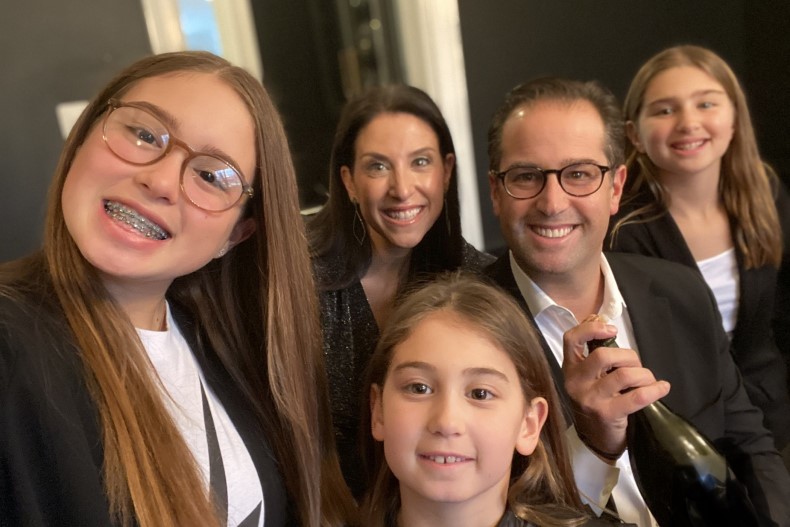
Josh Herz
Like many families, we had Shabbat dinner every Friday night. My brother and I were encouraged to invite friends so it would be more appealing to us. Jen and I have continued this tradition with our kids. It’s a special time for us to be together with family, and the kids like it because they each get to have a friend over. Win/win!
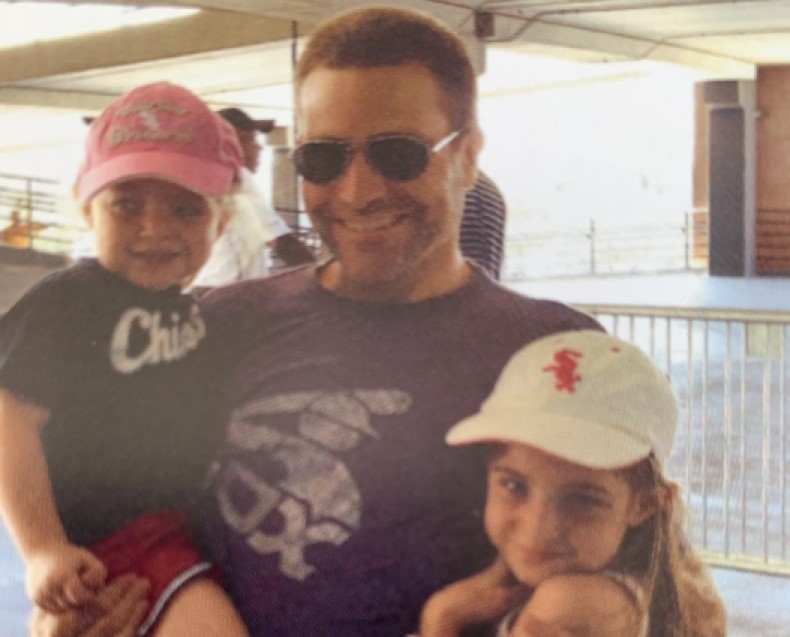
Lonnie Nasatir
My tradition is taking my kids to Sox games, which was a huge part of my growing up with my dad.
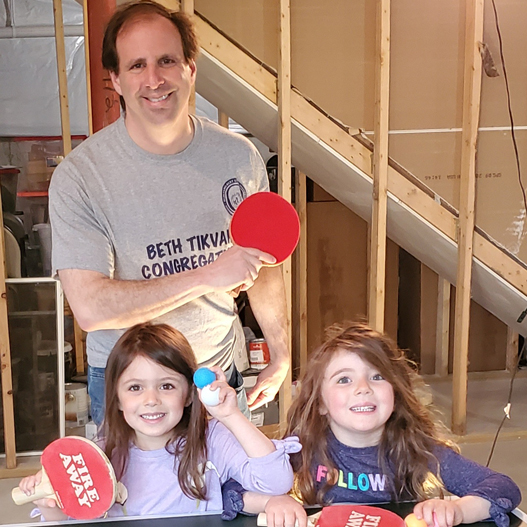
Rabbi Taron Tachman
My father, Raymond Tachman, was a first-rate ping pong player at a time when table tennis was as popular among Jews as Mahjong. When I was young, my father taught me the ancient Jewish secrets of ping pong competition. Years later, L’dor V’dor , I am passing the paddle to my daughters as I train them to be fierce table tennis warriors, just like their Zayde , z”l.

Paul Wieder
My father and I prayed together every Friday night for Erev Shabbat when I was growing up, and now I do that with my son. He especially likes the musical parts, singing Lecha Dodi and the trop for the V’Ahavta , and coming up with new tunes for Adon Olam , from “Yellow Submarine” to “Yankee Doodle.”
~Compiled by Michelle Cohen
Other stories
-
Two local teens win national recognition
Recipients of the annual Diller Teen Tikkun Olam Awards
Read more -
Celebrating six young award winners cultivating the community
Introducing young adult award winners
Read more -
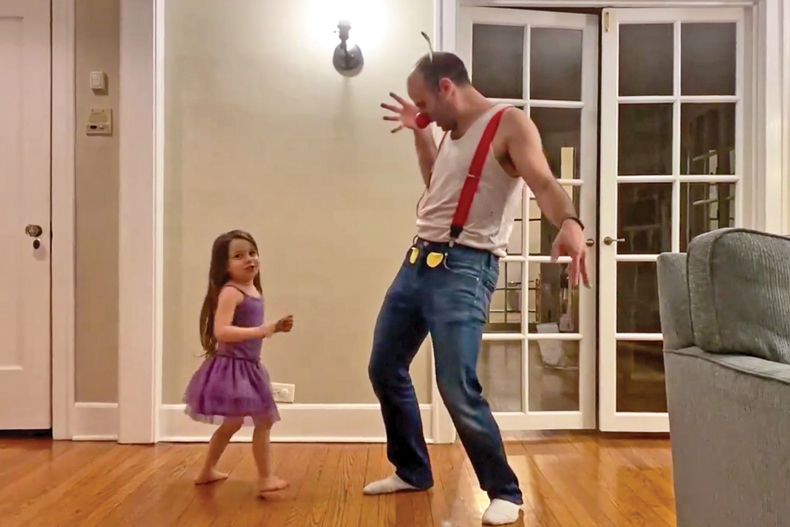
Fathers and daughters find creative ways to bond during quarantine
MICHELLE COHEN
A musical duo
Rob Fenton and his daughter Evan have created a music video together once a week since the stay-at home-order started on Evan’s fourth birthday. “We’re a very musical family, very exaggerated, and theatrical, so she likes to put on a performance,” Rob said, and once Evan chooses the song each week, he captures them on video, complete with costumes, dancing, and singing.
So far, the Evanston Jewish father and daughter duo have performed songs like Friday by Rebecca Black, The Sign by Ace of Base, Bye Bye Bye by N*SYNC, Opposites Attract by Paula Abdul, and a Disney medley. Many of the songs Evan chooses are ones she has heard on the drive to school. She performs them alongside her dad, with cameos by her mom and her baby brother Josh.
Rob purchased video editing software and learned how to piece together each week’s creation, which he posts on Facebook every Friday. The response to the videos has encouraged him to keep going, in addition to the way it helps pass time during a difficult season. “It’s been a nice thing to rally around every week,” he said.
“At the end of the day, your child will tell you what they want to do and what they’re excited about,” he reflected. “If you become the role-player and let them be the star, they’ll love you forever for it.”
A special wedding officiant
When Emmy Yura Gerbie realized that her wedding scheduled for May 24 would be affected by the pandemic, she was quick to come up with a solution: her dad.
Mark Yura, who previously officiated at his oldest daughter Rachel’s wedding in 2016, “considered it to be an honor and a privilege, and readily obliged” to officiate at Emmy’s socially-distanced ceremony with their immediate family and her new husband David’s, followed by a small luncheon.
“It was really special having my sister being married by my dad, and I wanted to have that be how we did it,” said Emmy, who plans to have a Jewish ceremony in the future when social distancing is no longer a concern.
During the ceremony, Mark made a speech about the happy couple and facilitated the exchange of vows, which included family heirloom rings on both sides.
Even with a variety of complications caused by COVID-19, including a rush to get the marriage certificate to the city clerk’s office the day before it shut down, the father-daughter pair found great meaning in the ceremony.
“The ceremony was perfect,” Mark said. “It may not have been what we were planning, but under these circumstances, it’s necessary to be flexible. Emmy presented the opportunity, and as a family we seized it; it was unforgettable and something that we’ll always treasure.”
And even without the ability to hug her dad after the ceremony, Emmy felt very close to him: “Being physically together isn’t always what you need to feel close to your family,” she said.
“The inability to connect physically didn’t detract for a second from the magic and the beauty of that afternoon,” Mark echoed. “It was the greatest thing in the world to be able to celebrate life going forward even when everything seems to be stuck in neutral.”
Other stories
-
Two local teens win national recognition
Recipients of the annual Diller Teen Tikkun Olam Awards
Read more -
Celebrating six young award winners cultivating the community
Introducing young adult award winners
Read more -
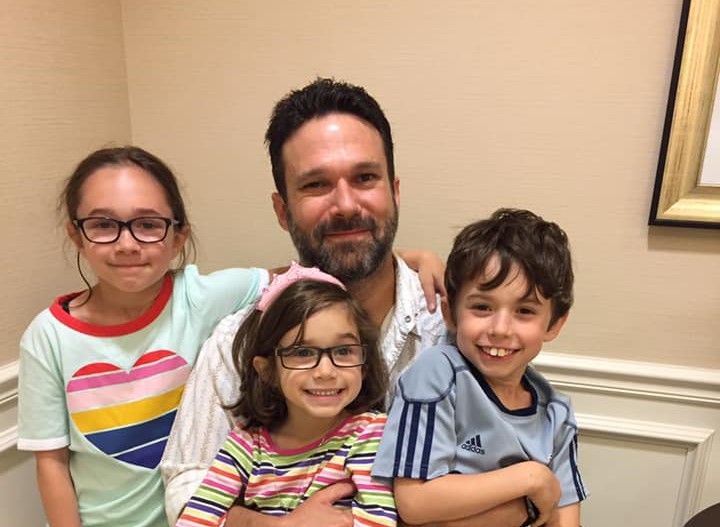
“Dads don’t babysit. It’s called ‘parenting,'” reads a T-shirt sported by stay-at-home dad Ariel Isenberg.
The shirt’s words are the motto of the National At-Home Dad Network, which Isenberg joined a decade ago. The network provides advocacy, community, and support for families where fathers are the primary caregivers, offering everything from seminars on discipline to advice for doing a girl’s hair.
Isenberg is a pro at his daughter Talia’s hair. She was born in 2008, during the time of the economic downturn. Around that same time, armed with his master’s degree in elementary education, Isenberg applied to 360 schools but only received one offer-a teacher’s aide position. So, he and wife, Shira, a corporate bankruptcy attorney, agreed it made more sense for him to stay home with Talia.
Early on, many disparaged his decision. Men would tell him, “That’s what I have a wife for,” and women would ask him, “Are you giving Mommy the day off?” Many criticized him for not being the family “provider.”
Finding no parenting classes for dads, he called ‘Mommy and Me’ classes, hoping they would let fathers join. “We never thought of them,” they would reply, “but dads are parents, too.”
It was all deflating for Isenberg. “I found myself drowning in my own isolation,” he recalled.
Eventually, he found a playgroup for dads and their kids. “Bonds in that community are really tight,” he said, “It’s harder for a working parent to understand what we’re going through.” The playgroup led him to the at-home dad’s network.
Today, things have evolved for stay-at-home fathers, he said. When Talia was a baby, Isenberg would often find himself the only guy in the supermarket; today, he says, as many as one in four shoppers are dads. “There is…more acceptance of being an at-home dad,” he said. “Many understand that there is more than one way to ‘provide’ for a family.”
Corporations are reshaping their perceptions of dad’s role, too, and becoming unexpected allies. Advocates, including the at-home dad network, made the case to companies and advertising agencies that, by selling products only to moms, they were missing a huge potential market. Huggies, Jif, and Cheerios, for example, heard their protests and adjusted their marketing.
One thing that still bothers Isenberg is when mothers, though well-meaning, call him “one of the moms.” He says he prefers to just to be called a “dad.”
Today, the Isenbergs have three children: Talia, almost 12; Oren, 9; and Sivan, 6. Once asked what he wants to be when he grows up, Oren replied, “I want to be an at-home dad.”
Isenberg feels embraced in his role by his Jewish community, first at his former synagogue, Anshe Emet Synagogue, in Lakeview, and now at Congregation Beth Shalom, in Naperville, where he and his family moved.
Another at-home Jewish dad, Darien Kruss, who befriended Isenberg at his new synagogue, attended his first at-home dad network conference in 2016.
Kruss, a software consultant, is a single father to Isabella, now 7. He has older children, from his first marriage, that he also had stayed home with.
“I’m a stay-at-home, work-at-home single dad…with no time to myself,” which he said. As for so many parents, this feeling has been exacerbated by homeschooling during the pandemic.
While he finds his circumstance challenging, Kruss feels accepted by most. Moms, he said, welcome him at activities with his daughter. “I never got any weird looks,” he said, “even at events with 300 moms and fewer than 10 dads.”
All in all, he wouldn’t trade being home with Isabella for anything. “I love being able to engage with my daughter, and not to have to say, ‘maybe later’ when she wants to find bugs or plant seeds.”
Other stories
-
Two local teens win national recognition
Recipients of the annual Diller Teen Tikkun Olam Awards
Read more -
Celebrating six young award winners cultivating the community
Introducing young adult award winners
Read more -
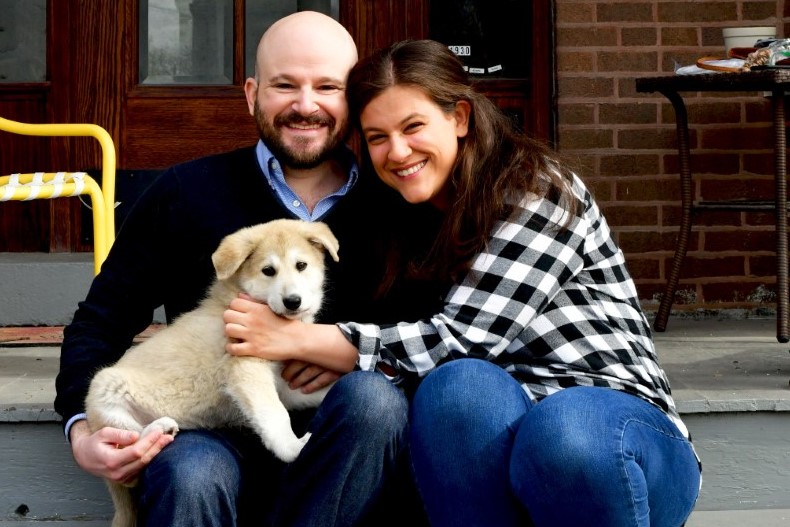
For many people, including Jewish Chicagoans, dog fostering has become a way to weather the coronavirus crisis and breathe new life into a stale routine at home.
For some, this new life is literal–like for Adrianne Burgher, whose foster dog Emori, a Beagle/Rottweiler mix, is pregnant. Emori came to the family from a kill shelter in Georgia, organized by the Paws N’ Effect program from the TPAN organization.
The Burghers, who live in Skokie, are a first-time foster family who never considered fostering before the quarantine. “My kids have always wanted a dog and we couldn’t get one since my husband and I work out of the house, so we thought now would be a great opportunity,” she said.
The foster program is providing Emori a special pregnancy diet and a baby pool where she will deliver her puppies. Burgher, her husband, and their three sons, ages 10, 8, and 4, are adding plenty of love and support, and have watched Emori blossom from a skittish dog to a playful, happy companion.
While the Burghers prepare for puppies, Karen Berman and her youngest son have fostered two pairs of puppies and are helping them find permanent homes. Currently, they’re watching over 3-month-old German Shepherd/Labrador puppies brought from Oklahoma by Mission Compassion Paw, and they previously fostered 7-week-old puppies from the Fetching Tails Foundation.
After the sudden death of their cockapoo, Otis, this winter, Northbrook residents Berman and her son–who is currently home from college–had a hard time in a home without a dog. “I was wondering what we could do that would help bring joy to our house and help keep us busy,” and fostering provided an ideal solution, she said.
Reflecting on life with the puppies, she said, “They’re filling our days with incredible joy. They greet us like we’re the best thing in the world, and they help us stay on a schedule. For some people, owning a pet is too expensive, but fostering creates a viable option to have a companion, save an animal, and give them a good life.”
Some people, like Chicagoans Jessica Leving and her boyfriend, Dustin Siegel, are adopting dogs during the quarantine. They recently brought home Zira, a German Shepherd/Great Pyrenees mix, from the Animal Rescue Foundation in Wheaton.
“We had been talking about getting a dog for the last year, but we couldn’t find a good time,” Leving said. “But then with the stay-at-home order, we realized it would be the perfect time to bond with and train a dog.”
Leving previously adopted two cats from the Anti-Cruelty Society, and it took a few tries to find a dog who would be okay sharing its home with cats. Now, she’s settling into life with Zira, socializing her, finding pet supply stores with curbside pickup, and taking plenty of photos for the puppy’s new Instagram account.
“I’m so grateful for the distraction, it’s nice to have something positive to focus on,” she said. “It’s definitely a good time for pets. You need something to cuddle and find something cute among the chaos.”
Similar sentiment has led to foster applications soaring in Chicago and around the country. “The rescue organizations said they called it ‘teacher syndrome,’ Berman said. “Normally, they see this influx of adoption of puppies in the summer when teachers are off, but because of COVID-19, people are doing it earlier.”
Pet fostering is therapy for the pets–and the people. “There’s such a strong bond between pets and their people,” Burgher said. “People feel good about helping animals, but there is so much we get therapeutically from them. Just cuddling with them and petting them helps make the situation so much more pleasant.”
Other stories
-
Two local teens win national recognition
Recipients of the annual Diller Teen Tikkun Olam Awards
Read more -
Celebrating six young award winners cultivating the community
Introducing young adult award winners
Read more -
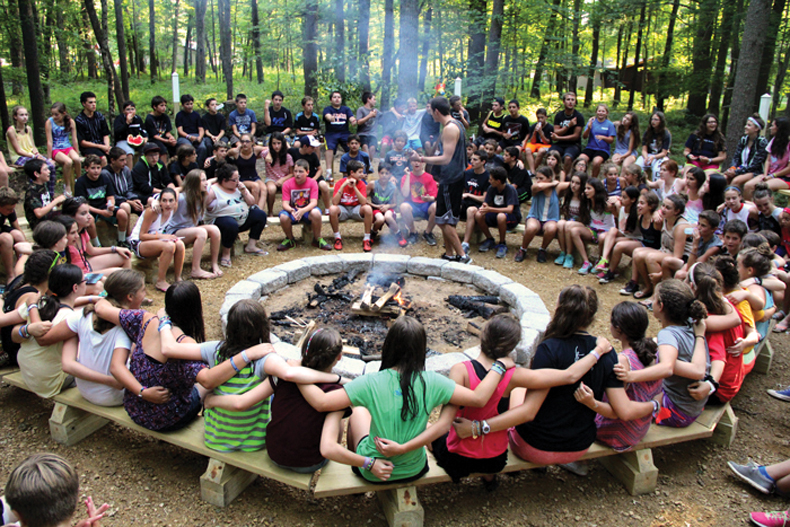
There’s an expression among those who love camp called, “Living 10 for 2.” This is the concept of living through the 10 months of the year to be able to spend 2 months at camp.
As a camp person, this concept has been my life for as long as I can remember. Both of my parents worked at the camp my siblings and I attended as children. Of the six children in my family, three of us made camp all or a large part of our professional careers. My wife and I met at camp. Our kids and every child of my siblings were all resident-camp campers. Now, our grandchildren are starting their time as campers. Camp is my life, my love, my passion.
Camp is cancelled this summer. Writing, saying, or hearing that phrase puts a tear in my eye and a pit in my stomach. But, as much as the pain is personal, it does not compare to the pain I feel for our campers and staff. As the Director of JCC Camp Chi, my enjoyment of camp comes from seeing campers and staff experience their own connection to camp, building their own passion. Hearing the laughter, seeing the smiles, listening to the cheers and songs, the splashing of the pool, all the sights and sounds of children having the time of their lives warms my heart and soul. The silence is deafening, the emptiness of our 600 acres, deflating.
For all the campers and staff who were looking forward to camp milestones, this summer it is especially hard. This includes campers who would be going on their Pacific Northwest trip, those about to become junior counselors ready to make the leap to being on staff for the first time, and college-age staff trying to get one more summer before they need to join the “real world.” Not having camp this summer is devastating for everyone.
As reality sets in, we have the inclination to find ways to move forward, to think about next year, and to find ways to celebrate what we do have. Yes, to all those ideas. But we also need to take a pause. For all of us “10 for 2” camp people, losing camp is a big deal. Each person will process this loss in their own ways. So, to all the parents, family, and friends of us camp people, give us time and most importantly, please understand. Understand that it is not as simple as “there is always next year” or that it is “just camp.”
Camp for us is being at a second home–a place unlike any other that allows a sense of freedom, support, and acceptance that is often not found in any other setting or time. We will get through and we will look to next summer, but it may take a bit for us to move on.
When we are ready, we will shift from 10 for 2 to 12 for 2, because summer 2021, Camp Chi’s centennial summer, is waiting for us, calling for us–an incredible milestone we cannot wait to celebrate together.
For help or support, don’t hesitate to contact us at [email protected]. We’re here for you and your family now and always.
Jon Levin is the Director of JCC Chicago’s Camp Chi.
Other stories
-
Two local teens win national recognition
Recipients of the annual Diller Teen Tikkun Olam Awards
Read more -
Celebrating six young award winners cultivating the community
Introducing young adult award winners
Read more -

Howard Sitron, a music lover, likens his job of leading JCFS Chicago to conducting an orchestra. The talented staff, the interagency collaboration, and a commitment to the JCFS mission are all instruments in a symphony that he feels privileged to direct.
He has spent the last decade of his career serving at the helm of JCFS Chicago, a JUF partner. His retirement this summer culminates a storied career of nonprofit leadership. Before joining JCFS in 2009, he served in leadership positions at Jewish Family and Children’s Services of Greater Philadelphia, Breast Cancer 3-Day, and MossRehab.
“Our Chicago Jewish community has been very fortunate that Howard Sitron relocated to our community and led JCFS for the past 10 years,” said Dr. Steven B. Nasatir, JUF Executive Vice Chairman. “He is a wonderful colleague, a national thought leader, a strategic thinker, and a superb Jewish communal executive.”
Under Sitron’s leadership, JCFS Chicago has made significant advances in serving the community. He is proud of the founding of Encompass, an interagency partnership now under the auspices of JUF, which is devoted to expanding community-based services and opportunities to participate in the Jewish community for people with intellectual/developmental disabilities.
“Opportunities for individuals living with developmental disabilities has long been an under-met need in the Chicago Jewish community and beyond,” he said. “This can only be effectively addressed as a community. Encompass is the way forward to lead a truly communal response.”
Another major accomplishment of Sitron’s JCFS career was merging the agency with HIAS Chicago and JVS Chicago. He spearheaded the process beginning in 2013, and united the agencies over the next five years. “We took the time to do [the merger] thoughtfully, protected staff and services, and strengthened the agencies’ programming as a result,” he said.
He also led in the development of the Esther Knapp Campus, which includes the Abe and Ida Cooper Center in West Rogers Park–offering services for people of all abilities, including programs for adults with disabilities and their families. A similar project for a social service campus in Skokie begins soon.
In addition to fostering partnerships between Chicago’s Jewish agencies, Sitron has been integral in the creation of the Network of Jewish Human Service Agencies, an international membership organization to which JCFS Chicago belongs.
For Sitron, his favorite part of the job has been getting to work with the people in this community. “The generosity and commitment to the well-being of the community is a special platform to get to work from,” he said. “It’s been a gift to wrap up my career with this capstone opportunity.”
His colleagues commend him on his leadership. “He has proven to be an exceptional leader for our community,” said Stephen Ballis, a former JCFS board member. “He has an unbelievable combination of leadership qualities and is extremely empathetic and sensitive to the needs of the community.”
His successor, Stacey Shor, says Sitron leaves JCFS with a fruitful legacy. “His leadership marked a period of incredible strategic growth for JCFS, and it’s unusual to be in a position where we’ve been able to grow and meet more community needs while also increasing our focus,” she said.
While others praise him for the agency’s success, Sitron deflects the credit onto his JCFS staff. “Any good leader should give credit where it’s due,” he said. “I could do nothing without these folks. I just got to be the lucky guy who puts it all together.”
In his next phase of life, Sitron will move back to Philadelphia with his wife, where they can be closer to their family. There, he hopes to rekindle a musical career. This time, instead of conducting the orchestra, he wants to join it–and pursue his passion as a trumpet player.
“I’m leaving with really mixed feelings,” he said. “It’s the right decision for my wife and me, but I’m going to miss the people who have been so good to us every minute of our time here. It’s been a great ride.”
Other stories
-
Two local teens win national recognition
Recipients of the annual Diller Teen Tikkun Olam Awards
Read more -
Celebrating six young award winners cultivating the community
Introducing young adult award winners
Read more -

When 14-year-old Jack Sloan first got interested in 3D printing two years ago, he had no idea he would be using it to help combat the shortage of protective gear for medical workers during a pandemic.
After seeing an Instagram post from a 3D printing company using printers to make personal protective equipment (PPE) for doctors and nurses, “I thought, ‘Why can’t I do that?'” he said.
So, after discovering the non-profit Masks for Docs online, Sloan started producing masks for the organization to distribute. In his first six weeks, he created 75 face shields, each of which takes about 45 minutes to produce on the printer.
After setting up the print job, Sloan, who is Jewish and resides in Northbrook, can do schoolwork in the interim. Then, shortly after, he removes the completed headband piece from the printer and attaches it to clear plastic sheets that he cuts and hole-punches. Each shield provides a plastic layer of protection between a healthcare provider and a COVID-19 patient.
He first became inspired to create face shields when he learned that his uncle, an interventional radiologist working in a hospital in Joliet, was interacting with COVID-19 patients. “I wanted to help keep him safe,” Sloan said, “and then I saw the news about how the doctors and nurses don’t have equipment and it’s causing them to die.”
When he informed his uncle about the project, he asked for some shields for his hospital; then Sloan created more. He packages the shields and leaves them in a cardboard box outside his house for a contactless pickup–and then gets started on the next batch.
“I’m making as many as I can,” Sloan said. “I don’t have a specific [numeric] goal, but I want to keep making them and getting them to as many people as I can until there’s no more need for them.”
As for why he wanted to volunteer his time and printer, “I’m not the kind of person who likes to leave things up to other people,” he said. “I want to make a tangible change myself. I wanted to combine my skills in technology and 3D printing with helping people.”
Jack’s parents, Heidi and Brad, are very proud of his initiative. “We’re extremely proud of Jack, that this is what he’s taking his downtime to do,” Heidi said. “He’s dedicated himself to helping other people. It’s been rewarding to see people stopping by and picking up the masks and knowing he’s helping people firsthand.”
Sloan’s project has been featured on the NBC Nightly News with Lester Holt,Full Frontal with Samantha Bee , and in local newspapers. But for him, it’s not about getting noticed, but about bringing attention to the necessity for more protective equipment in hospitals.
“The important thing for everyone to know is to just do something to help,” he said. “Whether it’s 3D printing face shields, sewing masks, or just staying home and isolating, just do what you can to help.”
Other stories
-
Two local teens win national recognition
Recipients of the annual Diller Teen Tikkun Olam Awards
Read more -
Celebrating six young award winners cultivating the community
Introducing young adult award winners
Read more -
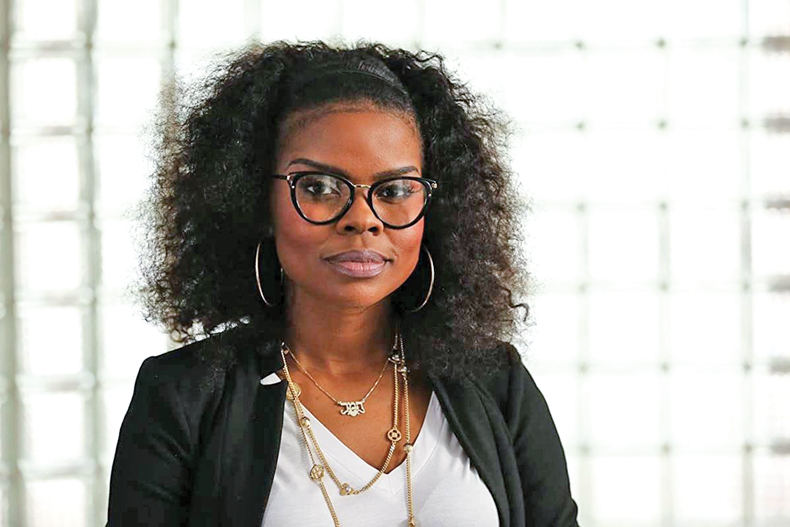
Activist fighting Chicago violence joins collective of leaders
Michelle Cohen
Like any mother, Tamar Manasseh is determined to do anything to keep her children safe. She created Mothers/Men Against Senseless Killings (MASK) “because I’m a mother of two black young adults and I didn’t want my kids to be murdered,” she said.
Her Judaism also informs her work. “Being Jewish teaches that something can always be done. It’s incumbent to repair the cracks in the world that you see. Gun violence is a crack in Chicago, so I went to work repairing that particular crack,” she said.
Manasseh-who has previously spoken at a Jewish Women’s Foundation of Metropolitan Chicago/Jewish Community Relations Council event-was one of 10 Jewish women recently named to the 2020 Collective of the Jewish Women’s Foundation of New York.
The international Collective is made up of “extraordinary women who lead organizations using their Jewish values and a gender lens to tackle some of the most intractable problems facing women and girls,” according to the foundation.
During the COVID-19 pandemic, Manasseh is expanding her organization’s focus to serve children on Chicago’s South Side. In addition to building a school/childcare center to provide education and hot meals for the children of essential workers making minimum wage, she is also connecting kids whose parents cannot help them with their schoolwork to a global study buddy network.
Even when the world seems unsteady, Manasseh is charging forward to ensure a brighter future for students who need help now and after the pandemic. “We’re all feeling really helpless right now, but this is a way to get back to human contact and interaction,” she said of her newest project. “It humanizes us all and lets us see into the world of people we would never interact with normally. It provides people with a greater sense of empathy for what other people are going through.”
Manasseh hopes that Jewish black girls draw inspiration from Jewish women who look like her. As she puts it: “I hope that little Jewish black girls can see black Jewish women who they can grow to be, [and that] they learn that anywhere you can do a mitzvah, do it.”
For more information about Tamar Manasseh and MASK, visit ontheblock.org. For more information about JWFNY, visit jewishwomen.org.
Other stories
-
Two local teens win national recognition
Recipients of the annual Diller Teen Tikkun Olam Awards
Read more -
Celebrating six young award winners cultivating the community
Introducing young adult award winners
Read more -