JUF’s Breakthrough Fund: Fueling innovation, and better ways to help
JOEL SCHATZ
Breaking through barriers.
Breaking through old ways of thinking.
Breaking through to where innovation lives.
For five years, JUF’s Breakthrough Fund has been doing just that. Breaking through the barriers of “we’ve always done it that way” and “that’s just the way it is” to find and fuel new ideas and better solutions.
This year, The Breakthrough Fund is providing nearly $1 million to 15 initiatives: eight new projects-ranging from efforts to prevent wartime psychological trauma to respite care for families with children who have disabilities to making the Jewish community “greener”-and seven two-year programs approved last year.
Three of the eight new efforts will enhance Jewish life in Chicago. Three will meet local human needs. And two will strengthen Israel and the overseas Jewish community.
Five are from groups that don’t receive allocations each year from JUF.
Over the five-year life of the Fund, more than $5.5 million has been devoted to 76 initiatives.
Here’s a look at what the newest recipients are doing:
The Board Member Institute for Jewish Nonprofits is launching two Chicago-based cohorts of its training program for Jewish non-profit leaders. Curriculum and instruction are spearheaded by faculty from Northwestern’s Kellogg School of Management.
The Center for Initiatives in Jewish Education received a one-year grant last year to launch its STEM (Science, Technology, Engineering & Math) curriculum in five local Jewish high schools. This year, a new grant will increase the number of high school students reached and expand the effort into middle schools.
Hazon is partnering with six to eight local Jewish organizations to launch the first Chicago Seal of Sustainability cohort. The groups each will commit to “greening” initiatives that reduce their carbon footprint and environmental impact, address sustainability, or combat food injustice.
Hebrew Theological College’s Blitstein Institute is launching a two-pronged program to bring STEM training to women in the Orthodox community. One initiative introduces an Advanced Placement Computer Science course in two girls’ high schools. The second offers an adult education computer coding class to women in the community. The Institute then will partner with JVS Chicago to help participants find employment.
Israel Trauma Coalition is developing a psychosocial toolkit and training for front-line social workers and other professionals in northern Israel, to prevent burnout, vicarious trauma, and PTSD among helping professionals dealing with wartime evacuations.
The Libenu Foundation , partnering with Jewish Child & Family Services, is expanding its after-school Lev Chicago Respite program. The effort provides care, support, kosher snacks, and dinner for children and teens with disabilities up to age 16-significantly older than other programs. All programming will be sensitive to the needs of the Orthodox Jewish community.
REACH , which helps elementary and middle school students who have learning disabilities, ADHD, high-functioning autism, or social/emotional challenges, is working with Keshet to research, develop, and implement a high school-level program. Students will receive specialized services that allow them to remain in classes with their typically-developing peers.
The Jewish Agency for Israel , one of JUF’s key overseas partners, will launch Baby Futures, a support program that provides individual, couple and group counseling and classes for expecting and new parents. Based on the successful Youth Futures mentoring program, this initiative will provide practical and emotional support for at-risk families, to help both children and parents get a strong start during the critical early childhood years.
Joel Schatz is the director of News and Information for the Jewish United Fund of Metropolitan Chicago.
Other stories
-
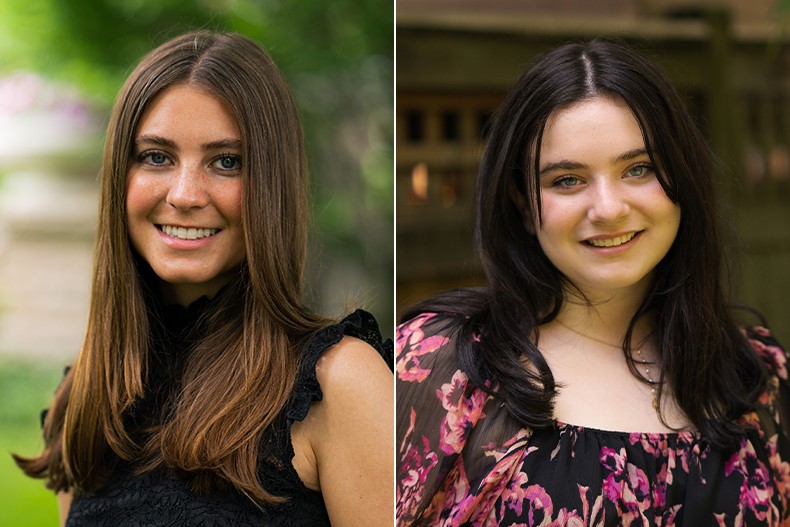
Two local teens win national recognition
Recipients of the annual Diller Teen Tikkun Olam Awards
Read more -
Celebrating six young award winners cultivating the community
Introducing young adult award winners
Read more -
There is a pervasive myth that addiction is not a Jewish issue, that our values and traditions protect us from harm.
In reality, like all communities, the Jewish community is deeply impacted by substance misuse, with an estimated 180,000 Jewish people facing addiction, according to the Substance Abuse and Mental Health Services Administration.
In the mid-late 1980s, opioids gained prominence in the United States as cure-all painkillers, after being erroneously identified in the New England Journal of Medicine as possessing a low addiction risk. As a result, doctors and hospitals were encouraged to prescribe opioids. Accreditation organizations unintentionally added to the increase by assessing a medical provider’s effectiveness based on their patients’ reported level of pain. The resulting surge in opioid prescriptions flooded the population with opioids, dramatically increased the incidence of Opioid Use Disorders, and marked the beginning of the opioid crisis in America.
Opioid use disorders are diagnosed when the use of an opioid substance, such as Norco, Vicodin, or heroin, interferes with an individual’s normal functioning in work, relationships, and their ability to carry out the activities of daily living. Most people begin to misuse opioids to cope with pain. Their use is fueled not by the desire to get high or feel euphoric, but to regain homeostasis — a sense of balance. Over time, those relying on narcotics require greater and greater dosages to achieve the same level of comfort. This pattern sets the stage for overdose, as the sedative nature of opioids doesn’t just impact the mind, but also critical bodily functions such as respiration.
In the last few years, the loss of Jewish Chicagoans — both young and old — to opioid drug overdoses has shaken our community and led us to re-examine the meaning of addiction and those impacted by it. Addiction once was interpreted as the loss of control or a moral failing when in reality, “addiction is a complex process with biological, genetic, psychological, sociological, and spiritual components,” explains Dr. Beth Fishman, Ph.D., manager of the Jewish Center for Addiction (JCA).
JCA, a program of Jewish Child & Family Services (JCFS), was established in 2014 to be a source of information, referral, and support for those facing substance misuse and their families. The center empowers individuals of all ages and walks of life to seek help. The program also works with Jewish community leaders, synagogues, and schools to develop and provide the services that the community needs while working to overcoming the stigma associated with substance misuse and addiction.
“In generations past,” says Nina Henry, Addiction Specialist at JCFS, “individuals with substance use disorders may have assumed that they would not be welcomed in synagogues.” The Torah does not always describe moments of inebriation — real or perceived — in a favorable light. The biblical figure Hannah, for example, was nearly cast out of the Temple when the high priest mistook her fervent prayer for drunkenness. Her actions only became acceptable and deserving of blessing when she proved her sobriety; a powerful, and unwelcoming, message to those struggling with alcohol or other drug misuse.
However, as the complexities of addiction become public knowledge, the community attitude is beginning to change. “The conversation has become more open in the Jewish community,” explains Henry. Recently, for example, local synagogues and Jewish organizations — often with the support of JCA — have opened their spaces to peer-led recovery meetings. This enables Jews in recovery to attend meetings in Jewish communal spaces as well as the more typical churches, hospitals, and Alano Clubs, meeting places for addiction recovery groups.
JCA has also brought youth drug prevention programming based on Jewish values to Chicago-area synagogues and Jewish day schools. The Jewish spaces that support recovery in this way send an important message of hope and acceptance to the entire Jewish community.
“Addiction does not exist in a vacuum,” affirms Dawn Levin, Safer Communities Coordinator at JCFS. It is an issue that impacts the entire family, and the whole community. “It’s up to us to take care of each other.”
If you or someone you know is struggling with drug misuse, and in need of help, please take advantage of the following resources:
- Jewish Center for Addiction at JCFS; www.jcfs.org/jewish-addiction
- JCFS Access; http://www.jcfs.org/855askjcfs
- Live4lali Community Resource Center; live4lali.org
- Alcoholics Anonymous (AA); www.aa.org
- Al-Anon (Family and Friends of Alcoholics); www.al-anon.org
- Narcotics Anonymous (NA); www.na.org
- Nar-Anon (Family and Friends of Narcotics Addicts); www.nar-anon.org
- Families Anonymous (for any family member); www.familiesanonymous.org
- National Association of Children of Alcoholics (NACoA); www.Nacoa.org
- Chabad Recovery Website; http://bit.ly/chabadrecovery
- National Institute on Drug Abuse (NIDA); www.nida.gov ; www.drugabuse.gov
- Substance Abuse and Mental Health Services Administration (SAMHSA); www.samhsa.gov
Jenna Cohen serves as Grants and Planning Associate for Jewish Child & Family Services and is a freelance writer living in Chicago.
Other stories
-
Two local teens win national recognition
Recipients of the annual Diller Teen Tikkun Olam Awards
Read more -
Celebrating six young award winners cultivating the community
Introducing young adult award winners
Read more -
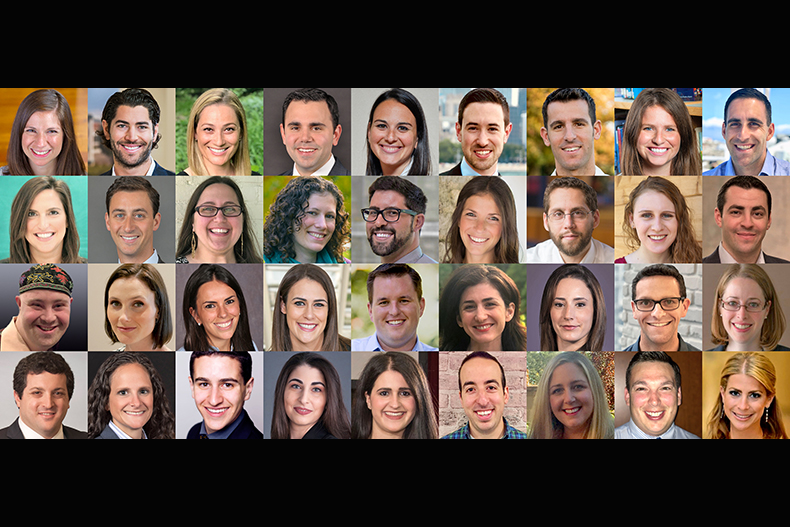
The Jewish United Fund of Metropolitan Chicago has announced the seventh annual “Double Chai in the Chi: 36 Under 36” list of young Jewish movers and shakers in Chicago.
Check out the list and full bios online at: www.oychicago.com/36under36
Presented by the Jewish United Fund of Metropolitan Chicago’s Young Leadership Division (YLD) and Oy!Chicago (oychicago.com)-a website for Chicago 20- and 30-somethings-the list shines a spotlight on the faces of Chicago’s Jewish future and recognizes the amazing contributions of this generation. The young professionals featured are noted for making a difference through their work, giving back in their free time, and earning distinction in the Jewish community and beyond.
“The future of our Jewish community is in good hands with these 36 individuals. Like always, this year’s list does not disappoint,” said Stefanie Pervos Bregman, co-founding editor of Oy!Chicago. “This marks our seventh year of this initiative, and I’m always amazed at the innovative, philanthropic work that is happening right here in Chicago.”
This year’s list is replete with entrepreneurs, activists, fundraisers, and more, running the gamut from artists to rabbis, attorneys to social workers… and, well, the list goes on.
“Year after year we see such a driven group who are both leaders in their professions, and doing amazing things to build a stronger and more unified Jewish community here in Chicago,” said Alex Entratter, current YLD campaign chair and former honoree. “To see so many people creating new opportunities that better our community is truly inspiring. This is just the beginning of a bright future for these individuals and the community they are impacting.”
Donations to JUF of up to $36 in recognition of a 36 under 36 honoree will be matched in full, doubling the impact and benefit to those in need in the community. Learn more and donate at https://donate.juf.org/36Under36.
Full profiles of each honoree are available on the Oy!Chicago website.
The 36 winners will be honored at YLD’s “WYLD” party at 7 p.m. on Thursday, August 16 at Early Society/Chelsea Room, 221 N. Clark St. The party is open to the public. Tickets are available for $20 in advance or $30 at the door. $5 of each ticket will be donated to JUF’s 2018 Annual Campaign to provide services for those in need. To register, visit http://www.juf.org/yld/wyld.aspx
The full list of winners is as follows:
Matt Altstiel , 33, of Albany Park, Development Manager, hip-hop artist, and photographer.
Amy Berger , 33, of Logan Square, Senior Development Manager and ADL Associate Board Member.
Katie Berger , 31, of New East Side, freelance writer/producer and 2017 YLD Campaign Chair.
Emily Berman Pevnick , 30, of Park West, Public Affairs Consultant and Jewish Community Relations Council Vice Chair.
Allie Block , 25, of Lakeview, Event Coordinator at Illinois Holocaust Museum and Education Center.
Hannah Bloom-Hirschberg , 35, of Lakeview, Program Coordinator and mentor for Jewish early childhood educators.
Dan Brenner , 35, of Lakeview, Attorney and JCYS Board President.
Zack Fertig , 28, of Greektown, Director at National Home Rentals and YLD Board Member.
Caryn Fields , 32, of Gold Coast, Financial Advisor and JCYS Assistant Treasurer.
Margaux Friend , 34, of Northbrook, Associate Executive Director at Lakeside Congregation.
Amanda Greene , 31, of Old Town, Rabbi at Chicago Sinai Congregation.
Danny Gutman , 29, of Noble Square, U.S. Holocaust Museum Chicago Next-Gen Board Member.
Ari Hart , 36, of Evanston, Rabbi of Skokie Valley Agudath Jacob Synagogue.
Lauren Henderson , 30, of Lakeview, Rabbi at Mishkan Chicago.
Solly Kane , 29, of Evanston, Director of URJ camp Olin-Sang-Ruby Union Institute.
Alison Karmin , 27, of Old Town, Physician Assistant and Vice President of YLD.
Katie Keidan , 27, of Lakeview, Communications Liaison to Human Resources at NORC at UChicago.
Brooke Kerendian , 31, of Streeterville, Attorney and Israel Bonds New Leadership Board Member.
Nisa Kwall , 27, of Near North Side, Financial Advisor and JWI Young Women’s and YLD board member.
Jeremy Levin , 27, of Lakeview, Senior Strategy & Operations Analyst and Maot Chitim junior board founder.
Sarah Levine-Miles , 32, of Ukrainian Village, psychotherapist and prenatal social worker.
Rachel Levy , 34, of Printer’s Row, resort National Accounts Director and Chair of CJE SeniorLife Associate Board.
Jacqueline Lotzof , 34, of Highland Park, Real Estate Broker and JUF Young Women’s Board Member.
Jacob Mosbacher , 30, of West Ridge, Artist and community volunteer.
Kasey Passen , 36, of Ravenswood, Associate Director of Hubs for OneTable.
Brian Pogrund , 29, of Lakeview, Regional Manager at on-demand car-sharing provider Getaround.
Blake Roter , 34, of Lincoln Park, Attorney and ADL Regional Board Member.
Lindsey Seeskin , 32, of Lakeview East, Attorney and Anshe Emet Synagogue board member.
Marc Sender , 35, of Vernon Hills, Teen Engagement Director for Chicago and Central Regions of USY.
Jacob Shapiro , 30, of Near North Side, Investor and JFNA National Young Leadership Cabinet member.
Marni Sommerfield , 27, of West Town, Assistant Director of Recreation and Summer Programming for Keshet.
Andy Stein , 30, of Wrightwood Neighbors , Sustainability Team member Northwestern University.
Ilya Trakhtenberg , 32, of Deerfield, Chairman of the JUF Russian Jewish Division Advisory Board.
Aaron Tucker , 32, of West Town, CIO of real estate developer Tucker Development.
Ilan Tzadka , 34, of Chicago, co-founder of Lighthouse Investments and Hebrew newspaper marketing director.
Sarah Weisberg Gaines , 35, of Highland Park, teacher and co-director of a children’s library.
Other stories
-
Two local teens win national recognition
Recipients of the annual Diller Teen Tikkun Olam Awards
Read more -
Celebrating six young award winners cultivating the community
Introducing young adult award winners
Read more -
Chicago’s Jewish community is vibrant, thanks in part to rich opportunities for Jewish education. With a selection of Jewish day schools and the graduate-level Spertus Institute for Jewish Learning and Leadership, there are opportunities to tap into Jewish learning at every age.
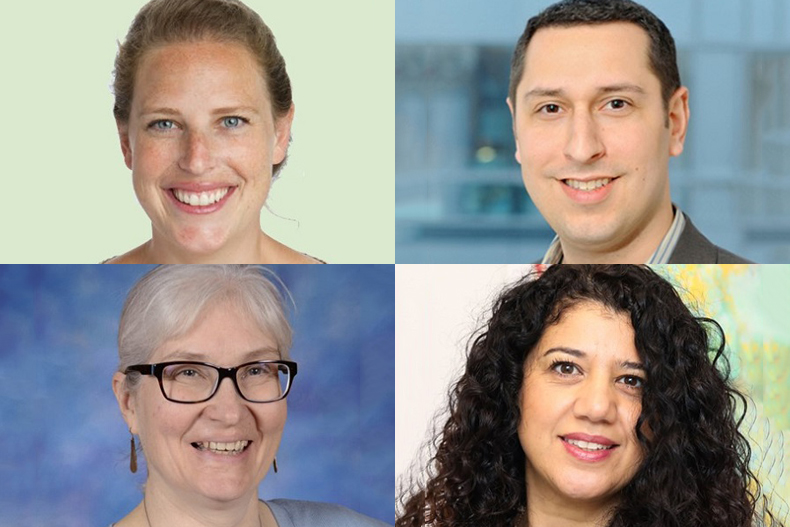
What follows is a conversation about Jewish education and the importance of lifelong Jewish learning with four Spertus Institute students, alumni, and faculty who are also among the parents and educators at Jewish day schools, using their leadership skills to foster Jewish journeys and academic acumen for a new generation.
Dr. Paul Cantz is a parent and board member at Akiba-Schechter Jewish Day School and a member of the Spertus faculty. Jackie Moss-Blumenfeld teaches Hebrew and Judaic Studies at Chicago Jewish Day School. She is working on her MA in Jewish Professional Studies at Spertus.Dr. Karin Klein who teaches science at Solomon Schechter Day School, and Hagit Lewis, who teaches Early Childhood Jewish Studies Education at Bernard Zell Anshe Emet Day School and is the Coordinator of Jewish Experiences for Families. Both Klein and Lewis received their MA degrees in Jewish Professional Studies from Spertus.
Why is Jewish education important? Why is it important for young people? Why is it important for adults?
Dr. Paul Cantz : Jewish learning is “lifelong learning.” In an era of competing cultural pressures and intellectual distractions, ensuring that every Jewish child has access to high-quality Jewish education needs to be a priority for Jewish communities around the world. It’s never too late, though-a lack of a day school education is not an insurmountable barrier to Jewish learning later in life.
Why did you choose to teach at a Jewish day school?
Jackie Moss-Blumenfeld: I am a great believer in Jewish education and I’m seeing how increasingly important it is, especially in America. I love passing a passion for Judaism on to the next generation.
How has studying leadership at Spertus changed the way you view your work in the Jewish community?
Hagit Lewis: Dr. Barry Chazan, founder of the Spertus Jewish Professional Studies program and professor of Jewish Education, told me that I’d gain a business card to the Jewish community through the program. He was right! I got to meet, understand, and work with leaders and soon-to-be leaders from all different backgrounds.
What part of your experience at Spertus did you most enjoy?
Dr. Karin Klein: It was invigorating to lock horns intellectually with the professors at Spertus. Having the luxury of engaging deeply with them on their topics of expertise was literally mind-expanding. I loved it. I treasure the experiences.
How do Jewish Day Schools and Spertus contribute toward the vitality of Jewish life in Chicago?
Dr. Paul Cantz: The existence of thriving centers of Jewish learning, such as Akiba-Schechter and Spertus, justifies Chicago being a population center for Jews. These institutions complement each other’s missions by helping orient our community toward lifelong personal Jewish growth.
How does your school power academic excellence?
Jackie Moss-Blumenfeld: At Chicago Jewish Day School, we educate children to think clearly and deeply, to gain knowledge and acquire judgment and respect diversity. We are committed to developing critical thinking and socially engaged intelligence.
Hagit Lewis: At Bernard Zell, we create an exhilarating challenge of academic study and cultural immersion that changes the game for elementary school. Our classrooms become laboratories of debate and discovery, strengthening students’ critical thinking skills, reenergizing their creativity, and building their sense of responsibility.
How is your school at the forefront of innovation in the classroom?
Dr. Karin Klein: At Solomon Schechter, STEM learning is not a stand-alone effort in a particular classroom. It is deeply integrated into the everyday learning in science classrooms and other classrooms throughout the school. A thriving tech department in the school supports our use of technology.
Dr. Paul Cantz: Akiba recently secured a multi-year grant from the Jewish Education Innovation Challenge to fund a Research & Development Department that “studies, prototypes, researches, and scales new teaching and learning approaches, practices, and systems that advance relevant learning for our students and the field of education.”
Discover Jewish Day Schools is a multi-year initiative, funded locally by the Crown Family, and managed by PRIZMAH: Center for Jewish Day Schools. Our goal is to provide Jewish families with the most relevant information to help them make the best decision about their child’s education. Our project focuses on four Jewish Day Schools in the Chicago area. Learn more at discoverjewishdayschools.org.
Spertus Institute offers dynamic learning opportunities, rooted in Jewish wisdom and open to all. Graduate and professional programs, including programs for educators, are offered in the Chicago area through Spertus Institute’s Center for Jewish Learning. Learn more at spertus.edu.
Traci Stratford is PRIZMAH: Center for Jewish Day Schools’ Financial Vitality Program Manager and School Advocate.
Other stories
-
Two local teens win national recognition
Recipients of the annual Diller Teen Tikkun Olam Awards
Read more -
Celebrating six young award winners cultivating the community
Introducing young adult award winners
Read more -
Cracking the Code: Understand the differences among genetic tests
JASON ROTHSTEIN
Messages about genetic testing are everywhere these days: in the doctor’s office, in web ads, on television, in the news, and lots of other places. For members of the Jewish community whose heritage may put them at higher risk for genetic health issues, these messages seep into our consciousness, but often remain confusing. This short guide talks about the major categories of genetic testing you might encounter, what they’re for, and what they can and can’t tell you.
Ancestry testing and related health reports
Companies like Ancestry.com and 23andMe have made at-home, over-the-counter genetic testing for ancestry popular and relatively inexpensive. Ads that are services like this promise to share insights about where your ancestors came from, and by and large, they deliver. Depending on the company and test, the results you get back may provide information about one or both sides of your family.
These companies look to add value through other services, which might include connecting you to relatives or providing genealogical records. And increasingly, these companies offer optional health-related information along with their ancestry results.
Health information from such testing never comes with genetic counseling and is usually far too limited to be clinically useful. This type of testing is great for exploring your family’s roots, but should not be used to assess your health risks or make care decisions.
Carrier screening
In response to Tay-Sachs disease, Ashkenazi Jews in the United States were the first group to organize community carrier screening programs. When two people who are both carriers conceive, the child has a 1 in 4 chance of inheriting the disease. By identifying carrier couples and providing them with alternatives, the rate of Tay-Sachs births in the Jewish community quickly fell below the rate of the general population. Eventually, those tests evolved into genetic screening programs covering multiple diseases more common in the Jewish community, including Gaucher disease, Canavan disease, and others.
Today, many physicians and organizations offer what’s known as “universal” carrier screening: genetic tests that check carrier status for dozens or even hundreds of genetic diseases common among persons of multiple ethnic backgrounds. In Illinois, the Norton & Elaine Sarnoff Center for Jewish Genetics offers access to this type of testing for Jewish individuals and interfaith couples planning for their families.
The best time to get carrier screening is prior to conception, but the information received from testing and counseling can help expectant parents also.
Newborn screening
By law, every newborn in Illinois receives screening for a handful of genetic diseases, including several that are more common in the Jewish community. At birth, the hospital collects a few drops of blood and sends the samples to the state public health department for testing. Depending on when the results come back, parents receive follow up from the hospital, a pediatrician, or the state health department. If all tests are negative, parents receive no follow up.
Many, but not all, of the diseases on the newborn screening panel are also on universal carrier screening panels, but newborn screening is not a substitute for pre-conception or pre-natal carrier screening.
Every state has a newborn screening program similar to the one in Illinois, although testing methods and condition lists vary widely.
Hereditary cancer risk screening
Some of the most important recent advances in genetic testing relate to hereditary cancer risk. When appropriate, doctors and genetic counselors can order cancer genetic testing to determine whether or not a person has a gene mutation that increases their risk for different types of cancer. In the Jewish community, the most common of these mutations are in the BRCA1 and BRCA2 genes. BRCA mutations, which occur at a rate of 1 in 500 in the general population, are found in about 1 in 40 Jews of Ashkenazic descent, and can increase the risk of breast cancer in women and in men, ovarian cancer, prostate cancer, and pancreatic cancer.
However, hereditary cancer risk screening does not provide the whole picture of a person’s cancer risk. Only about 10 percent of cancer is hereditary, so a negative test does not mean a person has no risk for cancer. Similarly, a positive test does not mean a person is guaranteed to get cancer. For these reasons, the decision to pursue hereditary cancer risk screening should be made in consultation with a specialist physician or a genetic counselor. These professionals can also help guide a person through understanding positive test results and
their options.
Diagnostic and genomic testing
Some genetic testing has a very narrow purpose, either to help diagnose or rule out a specific genetic condition, or to gain insight into which treatments might be most effective for a particular form of a disease. For example, certain cancer variants respond better to specific types of chemotherapy, and doctors may order a genetic test of cancerous cells to determine the best course of treatment.
Getting help
If you need help understanding some aspect of genetic testing or genetic health visit the Norton & Elaine Sarnoff Center for Jewish Genetics website at jewishgenetics.org. In addition to providing a wealth of educational materials, the Sarnoff Center works with a genetic counselor from Insight Medical Genetics to help answer your questions and find the resources you need.
Jason Rothstein, MPH, is the director of the Norton & Elaine Sarnoff Center for Jewish Genetics, a supporting foundation of JUF, and is supported in part by the Michael Reese Health Trust.
Other stories
-
Two local teens win national recognition
Recipients of the annual Diller Teen Tikkun Olam Awards
Read more -
Celebrating six young award winners cultivating the community
Introducing young adult award winners
Read more -
‘Renewed spirits’ return home from TOV Puerto Rico relief trip
RENEE FRISHMAN HOCHBERG
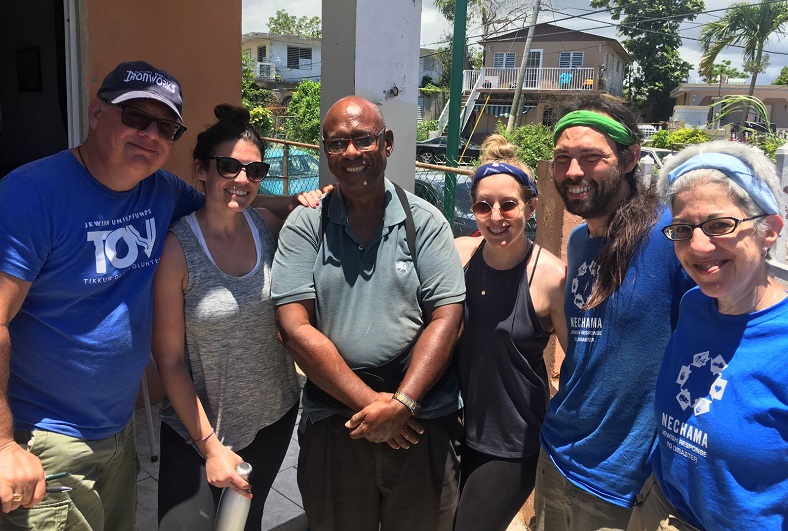
In May, eight months after Hurricane Maria devastated Puerto Rico, traveled with 18 other TOV volunteers to San Juan to help out with relief efforts.
On the 4-day trip-in partnership with NECHAMA – Jewish Response to Disaster-we repaired homes of at-risk Puerto Ricans who have largely been forgotten in the months since the hurricane.
As my new friend and fellow volunteer, Josh Orlan, said about his experience on the trip: “My body is exhausted, but my spirit is renewed.”
JUF allocated money from the Jewish Federation Disaster Relief Fund to NECHAMA, which coordinated relief efforts; IsraAID, for a clean water project and psychosocial support; the Jewish Community Center of Puerto Rico, and local synagogues for emergency assistance and case management.
During our trip, the temperature hovered in the low 90s, and we got caught in a torrential downpour, which did not deter us from our work.
The second floors of the homes we worked on were uninhabitable, most of them leaking water down to the first floor. So, while many residents had returned home from shelters, they were only able to live in a portion of their homes. Most of their belongings were destroyed in the hurricane.
Our tasks included repairing roofs, mixing concrete to patch ceilings and fill cracks, cleaning out muck to prep the floors for sealing, and unloading and carrying truck-loads of plywood, tin, and 2x4s up a flight of stairs in preparation for rebuilding.
Together, we accomplished tasks that no one of us alone could have achieved.
Most touching was the gratitude expressed by each homeowner-sometimes in broken English, sometimes in Spanish. They would share with us their family photos, serve us cold drinks and lunch, and give us tours of their medicinal gardens. People who have little gave us much.
And we volunteers-a group of 20 of us, ranging in age from 19-65, and largely unknown to one another before the trip-joined together in an experience of tikkun olam (repairing the world) that we will never forget. We fell into a rhythm, each of us doing what we were capable of, no one complaining about the work at hand.
At night we met members of the Puerto Rican Jewish community and representatives from the relief organizations, plus we davened (prayed), making it possible for one fellow volunteer to observe her father’s yartzheit.
While pulling up linoleum on the second floor of one Puerto Rican home owned by a man named Jesus, I found a ruined family photo album. It was heartbreaking. Later, when we came downstairs for lunch, Jesus looked at us and said in his broken English, “You are warriors.”
Indeed, we were warriors-warriors for tikkun olam.
TOV is in the process of assessing the viability of future missions to Puerto Rico. If you’re interested, reach out to [email protected].
Renee Frishman Hochberg spent her career on account management and sales. She is a former YLD board member, Wexner Heritage Foundation program participant, and board member of B’Chavana, a spiritual community in the northern suburbs.
Other stories
-
Two local teens win national recognition
Recipients of the annual Diller Teen Tikkun Olam Awards
Read more -
Celebrating six young award winners cultivating the community
Introducing young adult award winners
Read more -
Jews, I believe, are obliged to speak up for those who suffer because they are falsely accused of being part of a Jewish conspiracy, thus becoming fellow victims of anti-Semitism.
That is the situation of tens of thousands of Turkish Muslims, who, for the past two years, have been persecuted, branded among other things as Mossad agents, “Zionists” (a pejorative term in Turkey), and tools of Israel.
The tragic plight of these people continues unabated, and sadly largely unnoticed, with some 150,000 thrown out of work; 130,000 detained, arrested or tortured; and 2,000 schools, universities and dormitories; 184 media outlets; and 950 companies, worth $11 billion in assets, seized or shuttered. An entire echelon of Turkey’s best and brightest educators, journalists, judges, doctors, lawyers, and other professionals have been banned. Families have been separated.
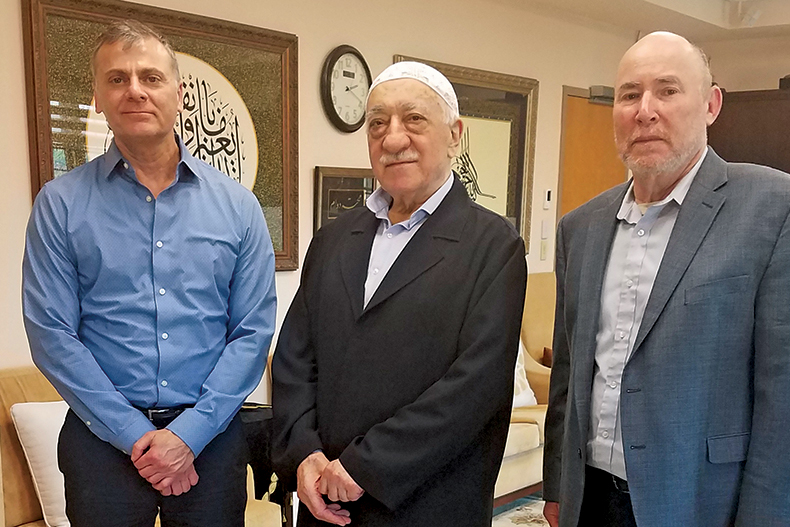
This persecution followed events of July 15-16, 2016, which many impartial analysts have called a dubious coup attempt. Turkey’s President Recep Tayyip Erdogan used the coup as a pretense to crush Fethullah Gulen and the Hizmet (Service) movement he inspired, in what devotees call “our Reichstag Fire and Kristallnacht rolled into one.”
Gulen, a Sufi-inspired Sunni teacher living in exile in Pennsylvania, ran afoul of Erdogan’s efforts to advance his dictatorial ambitions; after several years of escalating tensions, Erdogan blamed Gulen for the alleged coup and subsequently purged everyone and everything associated with Hizmet.
What made Gulen such a threat? During the past 30 years he has stimulated a global network of schools specializing in STEM (including, for example, the Chicago Math and Science Academy), universities, humanitarian and social welfare organizations, and media outlets serving people of all faiths and ethnicities. His teaching emphasizes the compatibility of religion and modernity, and stresses the goal of human understanding and harmony through dialog and outreach across religious and cultural divides.
Gulen’s critics have said these institutions and their backers wielded too much power, especially in the days when Gulenists supported Erdogan’s efforts to moderate Turkey’s militant secularism, to better accommodate faith in the public square. But Hizmet supporters, who focused on public service and fostering civil society organizations, called out Erdogan’s growing corruption and creeping authoritarianism. As Erdogan increasingly played the Islamist, and virulently anti-Israel, card, Gulen and his adherents stuck to their largely apolitical agenda of advancing educational opportunities, opening hospitals and charities, reaching out to non-Muslims, and opening Turkey to the world.
The breech between Erdogan and Gulen-who opposes political Islam-surfaced in 2010 during the infamous Gaza Flotilla affair. Erdogan, who was beating the drums against Israel to whip up support among pro-Palestinian Turks and Muslims worldwide, endorsed a Hamas/Muslim Brotherhood stunt. Nine Turks died attacking Israeli forces who intercepted and boarded the Turkish vessel Mavi Marmara, which was attempting to break Israel’s naval blockade of Gaza.
Enraging Erdogan, Gulen criticized the flotilla for sailing without Israel’s consent. Their relationship further deteriorated over the years, as the Turkish president increasingly saw Hizmet as a rival and a threat to his ambitions, arresting Hizmet associated journalists, judges and others in 2013.
Labeled a Zionist and secret Jew for his opposition to Erdogan and openness to Jews and the Jewish state, Gulen’s status has been a barometer for the situation of Turkey’s Jewish community. For nearly a decade, Turkish Jews have faced an uptick in anti-Semitic rhetoric and acts, and thousands have left, as Erdogan rallies Turks behind his authoritarian agenda by scapegoating Jews and other minorities, and especially Hizmet.
As one who has spoken with Gulen and for 10 years has interacted with Hizmet, befriending many, I feel compelled to speak up for them. They are admirably committed to giving back to society; to them civic service for the benefit of all people, is an act of faith. Devout Muslims, they see every human being created in the image of God, demonize no one, are warm and caring and astoundingly non-judgmental. These are not my sweeping generalizations, but rather what I have come to see as their most closely-held values.
Today they are blacklisted, imprisoned, some tortured, and many are living in exile with no possibility of return to their beloved Turkey-a nation they only sought to improve. Their plight provides a terrifying example of what can happen to loving, law-abiding, educated people who dare to practice what they preach in the face of a rising tyrant.
When we think of Hizmet, Jews conscious of our own history either can say, “There but for the grace of God go we,” or we can think of Rabbi Hillel: “If we are only for ourselves, what are we? And if now, when?”
When Muslims of good conscience are demonized and persecuted in part because they embrace me as a Jew (though in reality they embrace me because I am a fellow human), I must speak on their behalf. To remain silent is to be complicit in their suffering.
Aaron B. Cohen is Senior Communications Advisor of the Jewish United Fund of Metropolitan Chicago.
Other stories
-
Chicago to Israel to Kenya
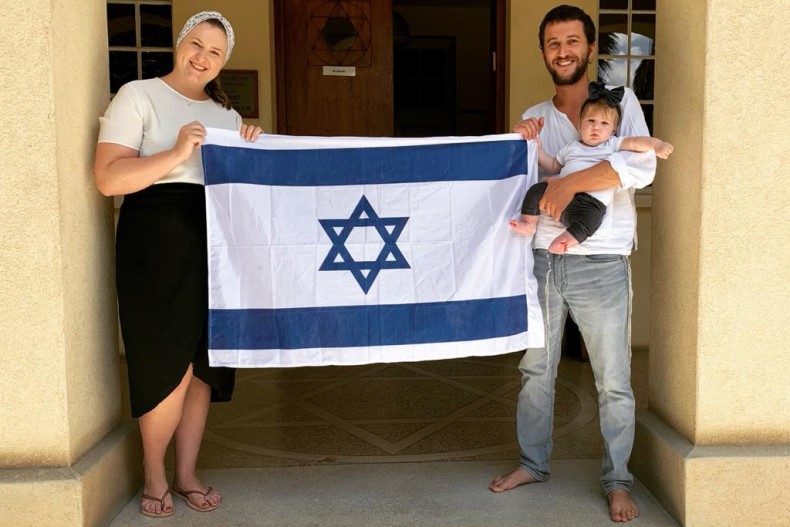
A family’s story of living Jewishly on three continents Michelle Cohen World May 28, 2021 Avital, Tzofia, and Netanel Kaszovitz outside their home in Nairobi on Yom HaAtzmaut. When Avital Kaszovitz prepared to be a Modern Orthodox shlicha (emissary) to the Jewish community in Ke
Read more -
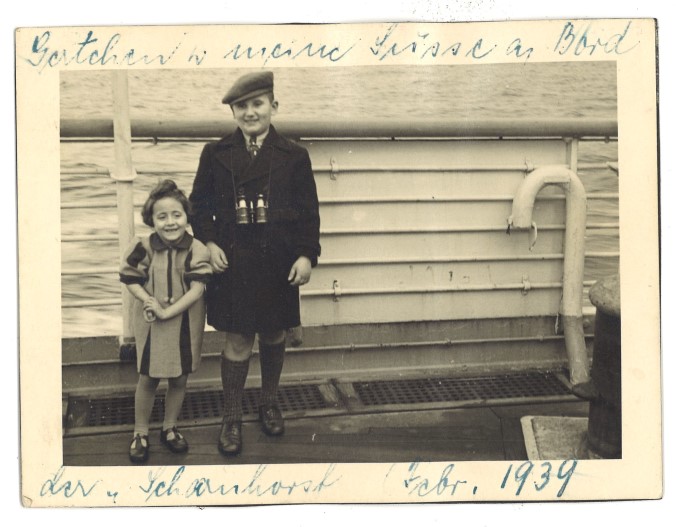
New exhibit spotlights the experience of ‘Shanghai Jews’
Explore a new Illinois Holocaust Museum and Education Center exhibit
Read more -
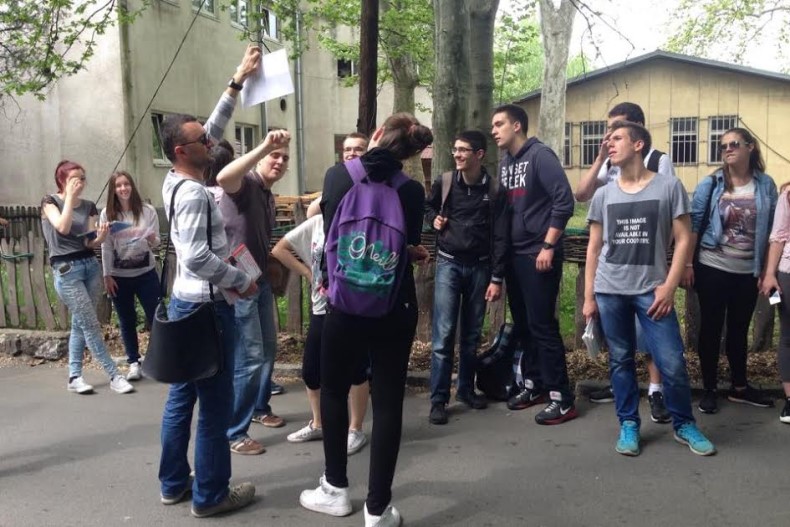
Europe’s brave new teachers of the Holocaust
Teaching the Holocaust in the modern era has its difficulties and rewards.
Read more
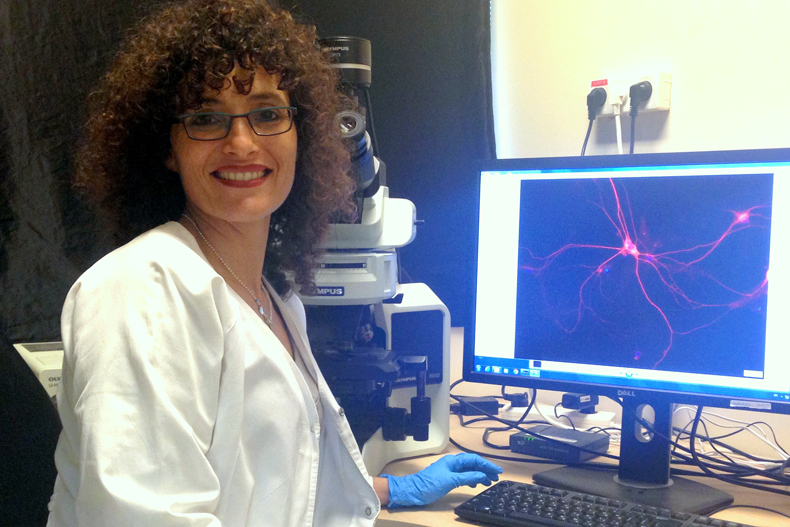
Israeli professor shares new optimism in preventing onset of dementia, Alzheimer’s
Israel psychiatry professor Dr. Michal Schnaider Beeri has given people around the world hope through her trailblazing research in the area of preventing the onset of dementia and Alzheimer’s disease in the general population.
Beeri, who heads the Sagol Neuroscience Research Center at Sheba Medical Center near Tel Aviv, focuses her research on diabetes as a risk factor for dementia and Alzheimer’s, and how lifestyle, blood, and genetic factors affect the greater brain and cognitive impairment of people
with diabetes.
She traveled to Chicago in the spring and did an email interview with JUF News during her stay.
JUF News : How did you become interested in the field of Alzheimer’s disease and dementia?
Dr. Michal Shnaider Beeri: My grandfather who I loved very much was eating lunch and got confused between his fish and lemon and tried to eat the lemon. That is when my grandma explained to me that he has Alzheimer’s disease. The pain stays with me to this day. I have probably seen thousands of patients through our research, and every time I hope to feel less pain, but it does not go away. I [identify] with the cause and devote my career to contribute to stopping this disease.
Are there any predictors of who is more likely to develop Alzheimer’s or dementia?
The strongest predictors for Alzheimer’s and dementia are ones that we cannot alter-age, (being) female, and the APOE 4 genotype. However, in addition, there are risk factors that are modifiable and include type 2 diabetes…physical inactivity, and obesity.
Can you explain how physical and cognitive activity may possibly slow the progression of Alzheimer’s?
Observational studies consistently show that individuals who maintain physical activity are at lower risk of developing the disease. Similarly, people with [less] education, with jobs that require less cognitive activity, or who simply perform less cognitive activity during life have a higher risk of developing dementia.
To conclude that increasing physical and cognitive activity improves the course of decline and delay diagnosis can only be done through a clinical trial, where half people will have an intervention with physical/cognitive activity and the other half (the control group) will not. There are some such studies ongoing, and the initial results indeed suggest that such interventions may slow the course of cognitive decline, but a lot more has to be done.
What have you found in your research that links diabetes to Alzheimer’s disease?
We have shown that diabetes in midlife is associated with a [larger] risk of developing dementia at old age, that poor glycemic control over time is associated with greater cognitive impairment, and that there are certain genes, such as the haptoglobin gene, that affect these relationships in a way that people who carry a specific type of the gene seem to have particularly high brain vulnerability to poor glycemic control.
How far down the road do you believe we are from a cure to Alzheimer’s?
It is not easy to say as, unfortunately, so many medications tested in the last decade have failed. I can say that the National Institutes of Health has put prevention as a primary goal, which is what our group›s research is focusing on. This is because the pathology of Alzheimer’s disease begins 20-30 years before the disease shows its first clinical signs and we believe that stopping this process early on may impede its development altogether.
Other stories
-
Two local teens win national recognition
Recipients of the annual Diller Teen Tikkun Olam Awards
Read more -
Celebrating six young award winners cultivating the community
Introducing young adult award winners
Read more -
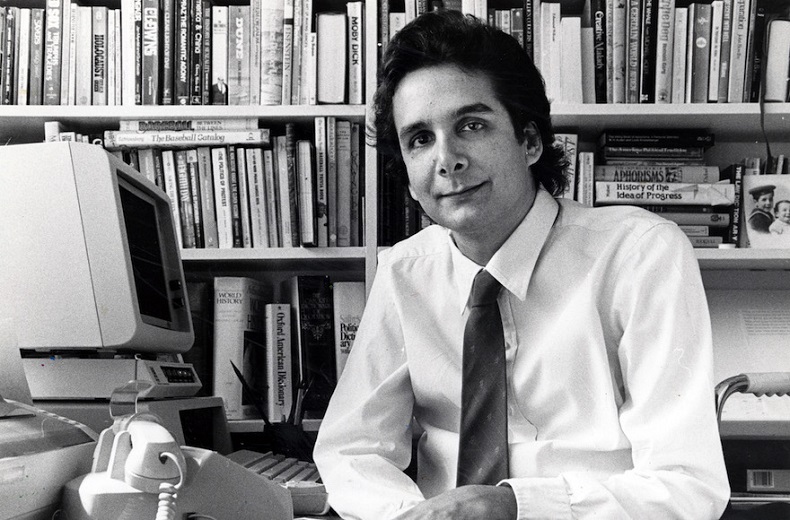
Charles Krauthammer, Jewish neoconservative and Pulitzer Prize-winning columnist, dies at 68
Cindy Sher
When Charles Krauthammer announced a couple weeks ago that he didn’t have much time left to live, I dug up an old interview I’d done with him, in advance of his appearance at a JUF Trade dinner in 2007.
A longtime commentator and Pulitzer Prize-winning columnist, later known for his neoconservative ideals, Krauthammer died of cancer on June 21 at age 68.
He started his professional career as a psychiatrist. His scientific papers, including his co-discovery of a form of bipolar illness, are often cited in psychiatric literature. During his freshman year at Harvard Medical School, in 1972, he was paralyzed in a diving accident, but he still managed to graduate on time with his class.
Several years later, Krauthammer quit his medical practice and came to Washington, D.C., to direct planning in psychiatric research for the Carter administration and, later, he became a speechwriter for Vice President Walter Mondale. After working for the Carter administration, he switched political parties and became a neoconservative, an identity he would be known for the rest of his life.
In 1981, he joined the staff of The New Republic , where he was an essayist and editor, and then in the mid-80s began writing a monthly column for Time magazine and a weekly syndicated column for The Washington Post . He also contributed regularly to Fox News , is a weekly panelist on Inside Washington, a contributing editor to The New Republic and The Weekly Standard .
He published Things that Matter: Three Decades of Passions, Pastimes, and Politics , the 2013 collection of his essays, which stayed on the New York Times bestsellers list for 38 weeks.
He is survived by Robyn, his wife of more than 40 years, and their adult son, Daniel.
In our 2007 phone interview, Krauthammer shed light on how his Jewish identity colored his worldview, switching political parties, and “Krauthammer’s Law.”
JUF News: How does your own Jewish identity affect your worldview?
Charles Krauthammer: It’s impossible to be raised and identify Jewish without having a tragic sense of history. That means being constantly aware of the contingencies and dangers. American Jews have lived a very sheltered and blessed life in this country, which is totally unique not only in the world but in history-my generation certainly has. Being steeped in Jewish history carries the knowledge that history-not just Jewish history, but history in general-is tragic and the unimaginable is possible.
What was your Jewish upbringing like in Montreal?
I was raised in a Modern Orthodox home. I went to Hebrew day school right through the end of high school. By the time I graduated, I was fairly fluent in Hebrew and quite conversant in Jewish history, literature, liturgy, and sacred text as well.
Have you tried to impart that same strong sense of Jewish identity to your son?
My father once said to me when I was growing up, “I don’t demand or even ask that you be observant the way I am when you grow up. But if you’re ignorant, you’ll never know who you are, so the one thing I do demand, in which you have no choice, is that you learn.” My son did not get the same kind of education I did-more after-school than day-school Jewish education-but he grew up in a Jewish home with a good awareness of his identity.
I read a column in which you write about “Krauthammer’s Law,” which states that “everyone is Jewish until proven otherwise.” What did you mean by that?
It was half tongue-in-cheek. I wrote it when [former Virginia governor] George Allen discovered he was Jewish, and this was after John Kerry discovered a couple of Jewish grandparents. Even Hillary Clinton found somebody and Madeleine Albright [revealed that] her family was Jewish, and Wesley Clark, too. It’s quite fascinating that so many people of distinction either are Jewish or have Jewish origin. It does [speak to] the incredible cultural accomplishments of Jews ever since they left the ghetto during the dawn of the Enlightenment. Within a few generations, they made an impact on Western culture that is amazingly out of proportion to their numbers-that’s a known historical fact. Many people, including Winston Churchill, among others, have wondered about it.
The other more tragic part of what I wrote in the column is that during the same period of Jewish accomplishment, there was also the rise of modern anti-Semitism. During the Holocaust and many other persecutions, so many Jewish people have had to either hide their identity, consciously or even unconsciously, and some of them hid it even from their children. So, what you have is this phenomenon of people who have grown up in the public eye very accomplished, who discovered late in life their Jewish origins-not only because of a great expression of excellence that you see among Jews ever since they left the ghetto, but also because of the need to conceal.
You talk a lot about this tragic sense of Jewish history. There is so much hatred toward the United States and Israel. Do you think that ultimately the light will vanquish the dark?
There is hope for Israel. I think we will not live to see the light vanquishing the dark, but we can spend our lives doing our best to try to keep the darkness at bay. In many ways, in trying to protect America and advance American interest, which is the interest of freedom in the world, there are a lot of darknesses to be kept at bay. The same is true with the people who believe not just in the justification, but in the glory of the Zionist ideal and of a Jewish state and have watched how its enemies have worked against it for so many decades. The good things in life and the good things in history require great vigilance to be protected and defended-they don’t just defend themselves. When I talk about the tragic sense of history and the sense of how there is evil in the world, it’s very powerful. It arises in different shapes and forms and ideologies in different generations. It is always a constant in human history and it has to be recognized and it has to be fought. It will not go away on its own in the same way that good and right is not self-defending.
After your diving accident, what gave you the strength to persevere?
When something like that happens, you have two choices, and only one of them makes sense-I took the only road I could take. I don’t make a big deal out of it or talk about it a lot. The fact is that I was going to give up or I was going to continue my life and I decided to continue my life, so I stayed in my class and finished medical school. It seemed like the only thing to do.
Why did you switch political parties?
My short answer is I was young once. Winston Churchill [is reputed to have] said something like “To be young and not a Democrat you haven’t a heart. To be old and not a Republican, you haven’t a brain.” I started out as a “Great Society liberal.” Great Society liberals were always pretty tough on foreign policy… The fact is that the Democratic Party has no room for that kind of national security hawk [anymore]… That whole tradition has died out. People have to choose because the Democrats went a different direction in foreign policy. That’s when I tended to move away from the Democrats. I was always a hawk on foreign policy, particularly during the Cold War era. I watched the Democratic Party drift away from that and Ronald Reagan pick up the banner and that helped to make my transition.
Do you ever miss psychiatry?
No-I like what I do. It’s a lot of fun. The issues that I deal with and the policies that I’m I trying to influence are very important. I have a lot of respect for psychiatry and for psychiatrists and for my former colleagues, but it’s not what I was meant to do.
Who do you admire most and why?
Politically, my great hero is Winston Churchill. He helped save civilization in the 20th century and I don’t think that’s an exaggeration. He also liked living life in the full as a young man, as a politician, and-later in life-as a great writer. No one lived a fuller life than he did.
Other stories
-
Two local teens win national recognition
Recipients of the annual Diller Teen Tikkun Olam Awards
Read more -
Celebrating six young award winners cultivating the community
Introducing young adult award winners
Read more -
When I was 14 years old, my father put me on a bus in downtown Pittsburgh bound for Detroit. My cousins met me at the bus station and showed me the city: Vernors Ginger Ale plant, Chrysler Motors car assembly line, a Tigers baseball game at Briggs Stadium. I called this travel. After all, I went from one destination, Pittsburgh; to another, Detroit. I had fun.
And I’ve been traveling ever since. At last count, 90 countries. Along the way, I became not only a travel writer, but a Jewish travel writer. That means I write about large Jewish communities such as London, Paris, and Rome, and/or exotic Jewish communities around the world such as Mumbai, Yangon, and Ho Chi Minh City.
Indeed, there is such a phenomenon as “Jewish travel.” I learned a long time ago that often when American Jews travel, they seek out the local synagogue, the kosher restaurant, the Jewish community center. Jewish tourists go on journeys to observe, to experience, to have adventures. But, at the same time, many seek out their brothers and sisters in far-flung Jewish communities; or they comb far off lands in search of the last fragments of the scattered tribe.
Jewish travel is a fine tradition that extends back to the Spanish Jew, Benjamin of Tudela, the 12th-century rabbi who traveled the then-known Jewish world and recorded what he saw, how Jews lived and got along with their neighbors and rulers, how they survived under oppressive conditions, and how they were influenced by their environment. He also included strange tales such as when he was in Istanbul, “where no Jew (was) allowed to ride on horseback.”
That’s exactly what I did in updating my fourth edition of A Travel Guide to Jewish Europe (Pelican Publishing). I again set off to make the new guide the history of my brothers and sisters in Europe, past and present, as well as note the synagogues, monuments, museums, kosher restaurants, cafes, and cultural heritage sites.
Of course, there has been a major change in Europe since my previous editions of “A Travel Guide to Jewish Europe. Everywhere I went in Europe, I felt the presence of tightened-security, cameras, police cars, soldiers, and guards who searched you.
But that does not mean that we should be deterred from the joy and inspiration and knowledge gained through travel. That’s exactly what terrorists and those who sow hate desire. European Jewish communities speak out against anti-Semitism and hate and their motto like ours, in many cases, is, “Never Again.”
By the way, a note to the traveler visiting a Jewish community: Notify synagogues and other Jewish establishments way in advance. Carry ID at all times.
In revising “A Travel Guide to Jewish Europe,” I observed anti-Semitism is rising in Europe. Various political movements are spouting anti-democratic principles and prejudice.
So, some ask, should Jews leave Europe? In the final analysis, that is their choice. Most are remaining though many are on the move; some making Aliyah-immigrating to Israel; some from Turkey to Spain and Portugal; some from Belgium to Canada; some from France to the UK; some from the UK to Portugal and Germany.
Be that as it may, I believe it is incumbent on American Jews to visit their brothers and sisters in Europe as they observe and study the best of European culture. Nations and people may change, but the Jewish people live on. A common bond of faith, tradition, and unity bind us into one people. In all my recent travels, I discovered that the bond between American Jews and other Jewish communities in the diaspora is strengthened when visitors from the U.S. stop at Jewish institutions and centers overseas.
Nearly every country in Europe is covered in A Travel Guide to Jewish Europe, Fourth Edition. Jewish travelers have strong feelings, historic and political, about which countries to sojourn. No matter where you go, just go-because it will enrich you.
Ben G. Frank, travel writer, is the author of the just-published fourth edition of A Travel Guide to Jewish Europe, (Pelican Publishing), and Klara’s Journey, A Novel,”(Marion Street Press,) as well as “The Scattered Tribe: Traveling the Diaspora from Cuba to India to Tahiti and Beyond,” (Globe Pequot Press) and other Jewish travel guides. Follow him on twitter: @bengfrank .
Other stories
-
Chicago to Israel to Kenya
A family’s story of living Jewishly on three continents Michelle Cohen World May 28, 2021 Avital, Tzofia, and Netanel Kaszovitz outside their home in Nairobi on Yom HaAtzmaut. When Avital Kaszovitz prepared to be a Modern Orthodox shlicha (emissary) to the Jewish community in Ke
Read more -
New exhibit spotlights the experience of ‘Shanghai Jews’
Explore a new Illinois Holocaust Museum and Education Center exhibit
Read more -
Europe’s brave new teachers of the Holocaust
Teaching the Holocaust in the modern era has its difficulties and rewards.
Read more