Hamantash fans scoff at the latke: “It’s just potatoes,” they say. And latke aficionados can’t find much to be excited about in the hamantash.
The debate about the favorite Jewish holiday food has raged for so long that it spawned an institutional response: the annual Latke-Hamantash Debate at the University of Chicago. The 62-year-old tradition has spread to campuses nationwide for a humorous discussion about the relative merits of the two iconic Jewish foods.
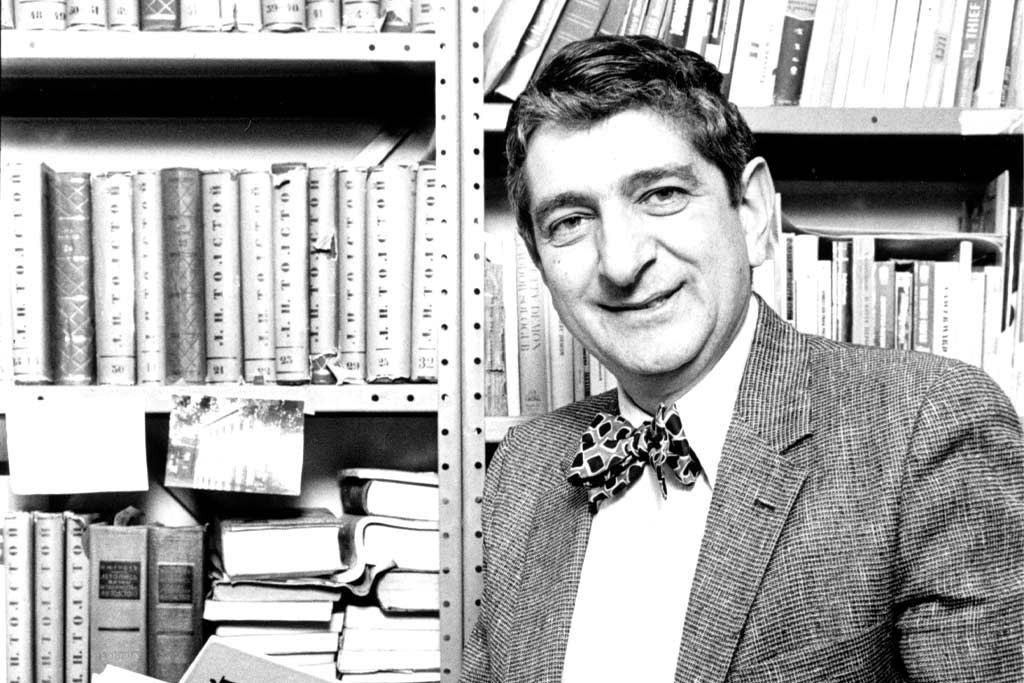
University of Chicago professors Gary Tubb (South Asian languages and civilizations), Thomas Ginsburg (law), Roy Weiss (medicine) and Dean of the Rockefeller Chapel Elizabeth Davenport duked it out in this year’s verbal food fight Nov. 25. Ted Cohen, professor of Near Eastern languages and civilizations, moderated. The latke has won more times than the hamantash, although in recent times the pendulum has swung back and forth—the latke side won last year’s debate, while the hamantash got the vote in 2006. At press time, the debate had not happened yet, and results were unavailable.
As the debate rages between cooks everywhere, JUF News asked the community to chime in with their opinions.
Sarah Levy, owner of Sarah’s Pastries and Candies: “I have always loved latkes, which are a family favorite. It’s sort of a habit. My grandmother has a really good recipe.”
Rabbi Michael Balinsky, executive vice president of JUF’s Chicago Board of Rabbis: “I prefer the latke. I make terrific latkes and I don’t know how to make hamantash—I have never tried, not into baking. I do not fry my latkes, instead, I bake them in the oven. The secret to great potato latkes is to grate in some carrot, and I also make great sweet potato latkes. I don’t work with recipes, I don’t measure. I just put things together, and it’s never the same twice.”
Josie A.G. Shapiro, chief development officer at Temple Sholom and an avid cook: “I’m a latke girl! They’re more flexible, you can grate different things in—potatoes, beets, or zucchini (see her recipe on page . . .). The hamantashen have different fillings, but they’re all on the same note, all sweet.”
Adam Davis, director of KFAR Jewish Arts Center: “It’s a difficult decision. On the one hand, I salivate at the thought of a savory potato and onion delicacy. I also am tantalized by the sweet triangular treat. I suggest a third way—the sufganiot. I’m a pluralist when it comes to the Jewish people and our food.”
Rabbi Rebecca Lillian, author, musician and spiritual leader: “How could I possible compare latkes and hamantashen? Latkes are savory, and when fried to just the perfect crispy texture without burning, with a bit of sweet-tart applesauce on top, they are perfect on a cold winter night. I couldn’t imagine Chanukah without latkes. Hamantashen are sweet, although when filled with the right mohn (poppyseed) filling, not too sweet. They are perfect for a Purim meal when, together with more sweets and a bit of fermented beverage, one gets silly and giddy and goes a bit crazy with laughter. I couldn’t imagine Purim without hamantashen. But if you are really forcing me to choose, I'd pick the holiday of Purim—with latkes!”
Daniel Libenson, the director of the Newberger Hillel Center at the University of Chicago, has pledged to keep neutral on the issue. Still, he betrayed a fondness for politics in his comments preceding the debate. Libenson compared the latkes and hamantashen to the candidates in this year’s presidential election. Thus, Obama can be identified with the latke’s shape, similar to the letter O. But a connection to the hamantash also exists: At Purim, Jews are supposed to bless Mordechai for saving the Jewish people, but are also supposed to be so drunk that they are unable to tell the difference between Mordechai and Haman, who had planned to kill all Jews. Libenson said he sees a similarity between the president-elect’s first name and the Hebrew word “Baruch” (to bless).