The Jewish United Fund (JUF) has allocated $336,000 to programs run by the major Jewish streams in Israel, supporting projects of the Progressive (Reform), Masorti (Conservative) and Modern Orthodox movements, as well as inter- and non-denominational projects. Most focus on reaching Israeli youth and do not typically qualify for Israeli government support.
JUF’s support of these innovative programs provide the participants opportunities to learn about their Judaism, explore different spiritual expressions through the religious movements, and connect with Israelis from different backgrounds.
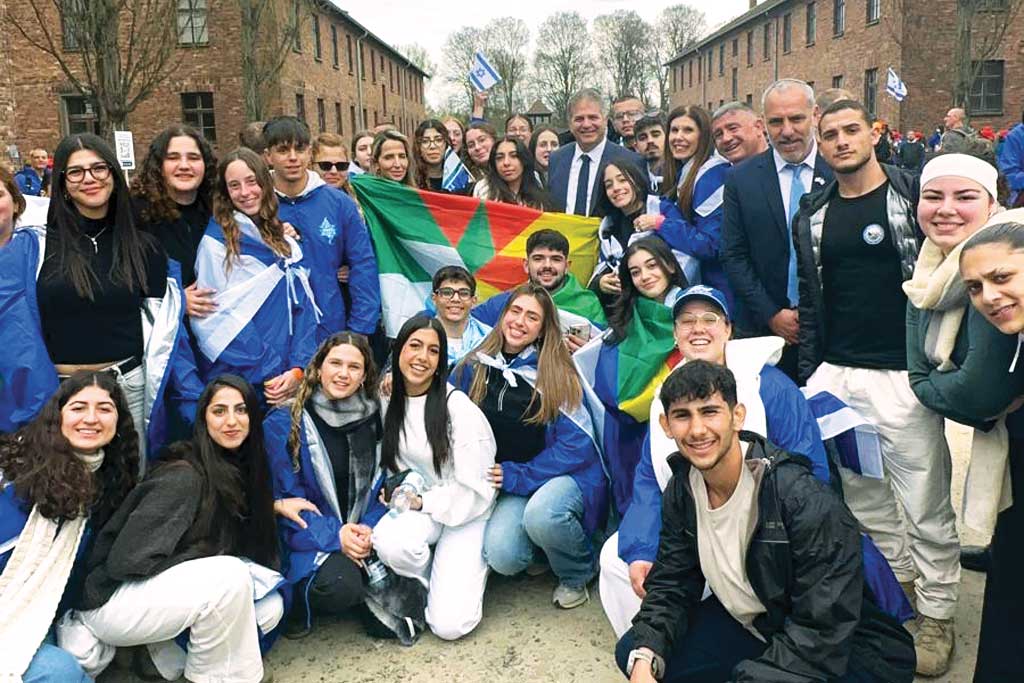
For example, mothers and their daughters from a range of backgrounds, enrolled at the Progressive Movement’s Pluralistic Beit Midrash (house of study), learn about Judaism as equal participants in all of the Jewish commandments, ceremonies and holidays. Through the Masorti Movement’s Niggunium Music Programs in Tali Schools, run by Schechter, more than 7,000 children, parents and teachers participate together in workshops that weave traditional prayer with contemporary prayer melodies. More than 300 participants ages 15-17, in the Yaacov Herzog Center’s Project Atid, learn about issues of Jewish identity, leadership and tolerance, which are based on the method of "learning that leads to doing." And each year at the Shalom Hartman Center for Rabbinic Enrichment, leading rabbis of all denominations learn together to impact positive change and strengthened connections in their home communities and congregations.
JUF began providing additional annual support to the religious streams in Israel in 2001. Since then, JUF has provided more than $3.5 million to the movements without detracting from its yearly multi-million dollar allocations to its overseas partners, the Jewish Agency for Israel and the American Jewish Joint Distribution Committee, and has become a national model for communities to follow.
“JUF is committed to supporting the important work of the pluralistic religious streams in Israel,” said John Lowenstein, Chair of the Streams Subcommittee of the Israel and Overseas Commission. “We have seen the positive impact theses programs have had on hundreds of young Israelis, helping to develop a future generation of Israelis who accept a more pluralistic approach to Judaism.”
The break-down of allocations is as follows:
• $116,000 to programs run by the Israel Movement for Progressive Judaism: Partnership for Pluralism, Olim Outreach and Panim- Pluralistic Beit Midrash
• $116,000 to programs run by the Masorti Movement in Israel and the Schechter Institute for Judaic Studies: Jewish Enrichment at NOAM, NOAM Garinim, Hannaton Education Center , Niggunim Music Programs in TALI Schools, Developing Parental Leadership – TALI Schools, Masorti Learning Communities, Masorti Women’s Study Days
• $74,000 to programs run by the Yaacov Herzog Center and Ohr Torah Stone: Tzahali: Pre-Army Mechina for Women, Youth Building a Better Society – Project Atid, and Yachad: Leadership for Jewish Unity
• $30,000 to inter- and non-denominational programs run by the Shalom Hartman Institute, Meitarim, and BINA: Rabbinic Enrichment Program, Mechinat Lachish, and Zehutarbut
Additional support to the streams is also provided through JUF’s annual overseas allocation to the Jewish Agency for Israel. In 2009 JAFI provided $3,664,000 to the streams.
Allison Rosenberg, 19, is one Israeli who can personally attest to the importance of these programs. Allison, who made aliyah with her family from Chicago, is currently participating in Mechinat Lachish. This one-year program, located at Kibbuz Beit Guvrin which is just outside of JUF’s Partnership 2000 region and run by Meitarim, provides an opportunity for young people to learn about Israel, volunteer and study before they enter the army. At Mechinat Lachish, Allison lives with other Israelis from a wide range of backgrounds, from those who had no knowledge of Jewish practices to those who only knew an Orthodox way of life.
“Being here opens your eyes to see others, it breaks down stereotypes,” said Allison. “You are living with others and thus you have to learn to compromise but not erase yourself and your needs in doing so. While being here put me in a place where I wasn’t understood for a while, it’s now a place where we all think and live pluralistically. I love it.”